Hollywood Museum
Nothing Will Be Faked
First announced in 1959, the Motion Picture and Television Museum was scheduled for construction on a two-acre, county-owned site near the Hollywood Bowl.
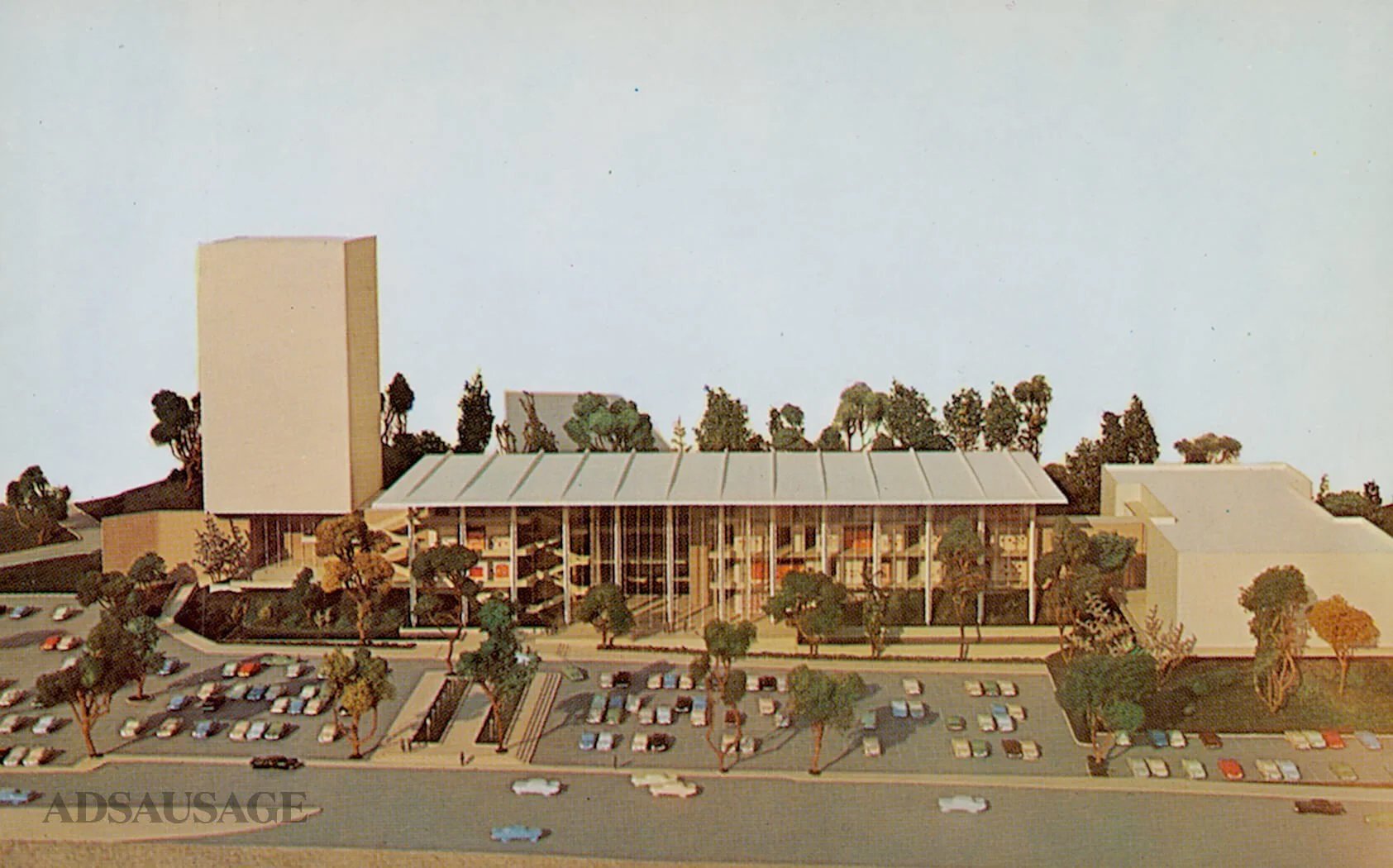
At a starting cost of around $4M, the long-planned facility, led by a group headed by producer Sol Lesser, enlisted the services of architect William L. Pereira. It comprised five buildings, connected by walkways and glass-covered corridors, and landscaped gardens.
Plans were based on the assumption that the museum would be financed by revenues, with no cost to taxpayers. The hope was to attract about 30 percent of visitors to Southern California, with estimates of producing roughly $1.5M in revenue. Initial reports said the museum would pay for itself within 30 years.
The structures would include a 500-seat theatre, a sound stage for tourists, galleries, a museum, classrooms, and a restaurant.
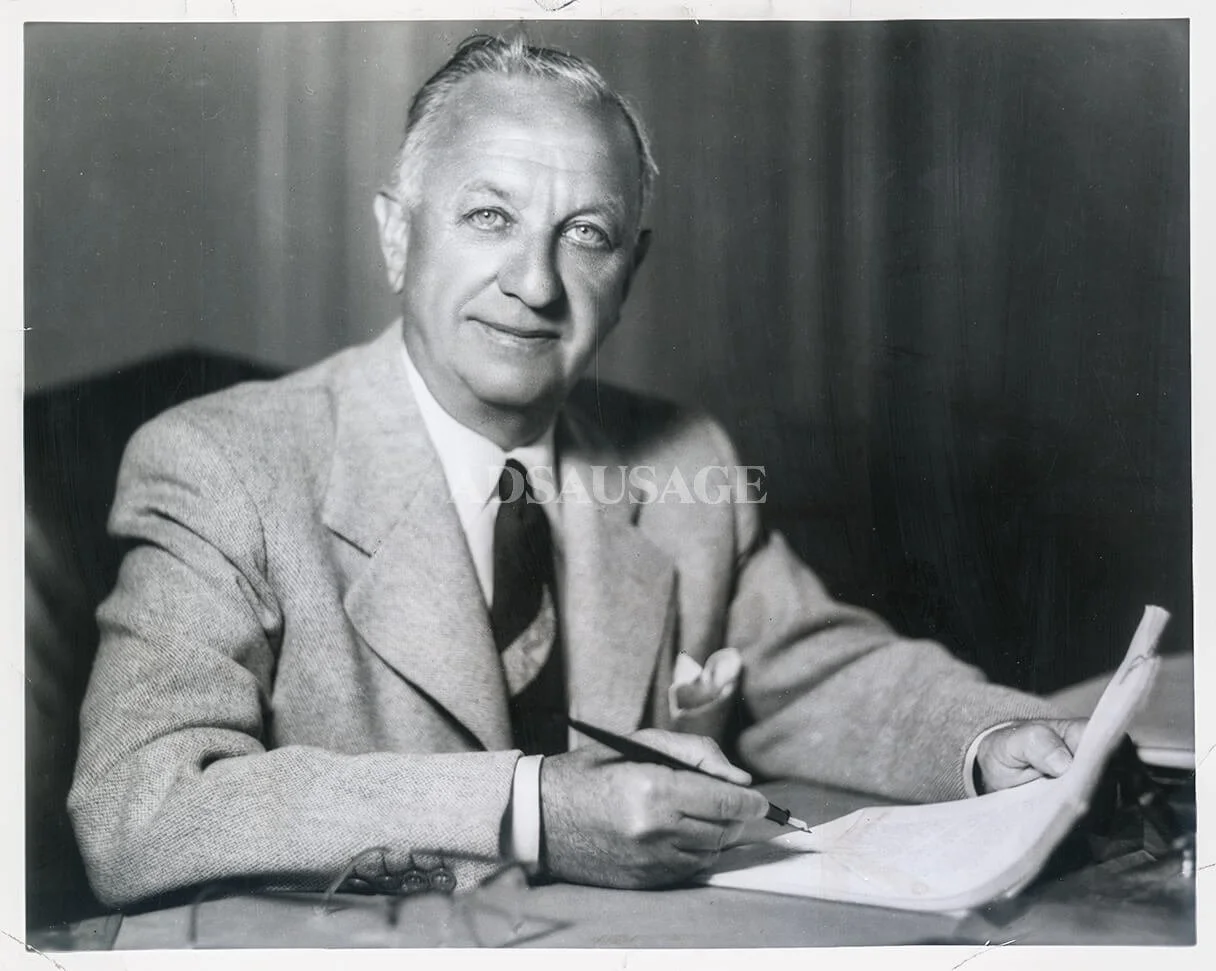
The Hollywood Museum Commission, led by independent movie producer Sol Lesser, announced in mid-1960 that the museum was a reality. However, the path had to go through the legislature (as well as the approval of area residents). In late-1960, the Los Angeles Board of Supervisors submitted the proposal to state law to Sacramento for "Authorization for the operation of the proposed Hollywood Motion Picture and Television Museum."
In August 1961, additional details revealed the location: a three-level structure on a parcel of land on the east side of Highland Avenue, south of Odin Street, and extending toward Las Palmas Avenue. Over time, newspapers referenced a "four-level" structure and provided an exact address: 2142 North Highland Avenue.
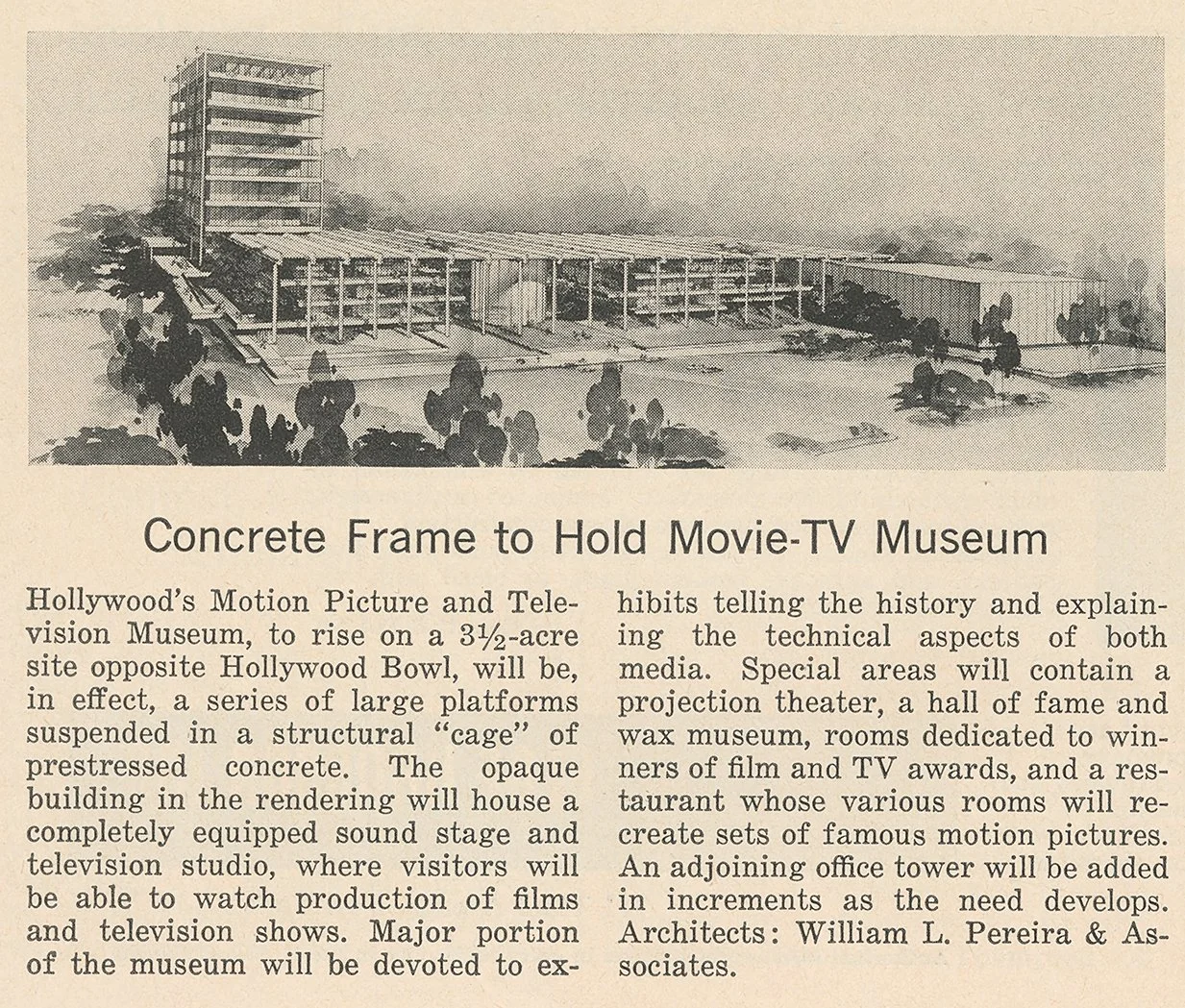
Progressive Architecture, 1961During this period, curator and film critic Arthur Knight was officially tasked with preserving rare film. Several of filmland's finest had donated memorabilia, including Mary Pickford, King Vidor, and David O' Selznick.
The project continued moving forward with the official unveiling of a detailed model, shown at a three-day convention at the Disneyland Hotel in September 1961. On hand were Ralph Edwards and Maureen O'Hara.
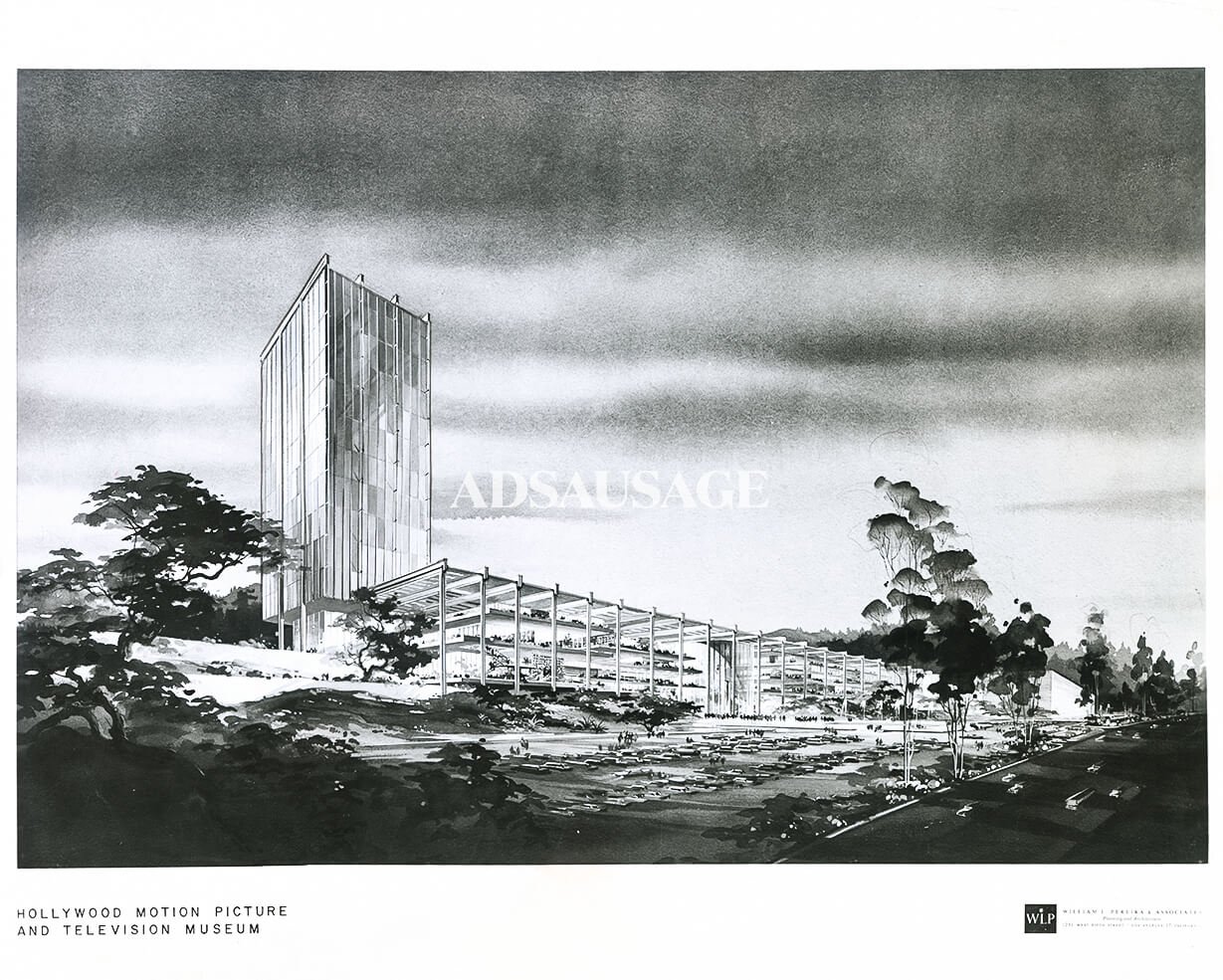
With the groundbreaking now scheduled for June 1962, the museum's next hurdle came when Los Angeles County Board of Supervisors member Kenneth Hahn threatened to withhold funds unless the movie industry cleaned up its act on "blue" films. Despite the preposterous snag, the project inched ahead, with the county supervisors' approval.
Several lots were purchased near the site, including an option to buy the Kadorf Apartments, a 16-unit apartment complex at 2060 North Highland Avenue. Plans also called for the demolition of the famed Crane plumbing mansion, brought down in August 1962.
A Cast of Thousands
Finally, in 1963, ground was broken. Billed as "the most important group ever to assemble in entertainment history for any single event," the crowd was estimated by the police at 7,000, considerably short of the 20,000 to 50,000 expected.
Nevertheless, the star-studded ceremony was attended, among others, by Sol Lesser, Supervisor Ernest Debs, Gloria Swanson, and the mistress of ceremonies, Rosalind Russell. Doing the honors with a trusty spade was Richard Powell, the 11-year-old son of the late actor Dick Powell.
The 30 page booklet included designs by local illustrator, Barbara Begg.
Available to view; the Hollywood Museum Ground Breaking Program, 1963.
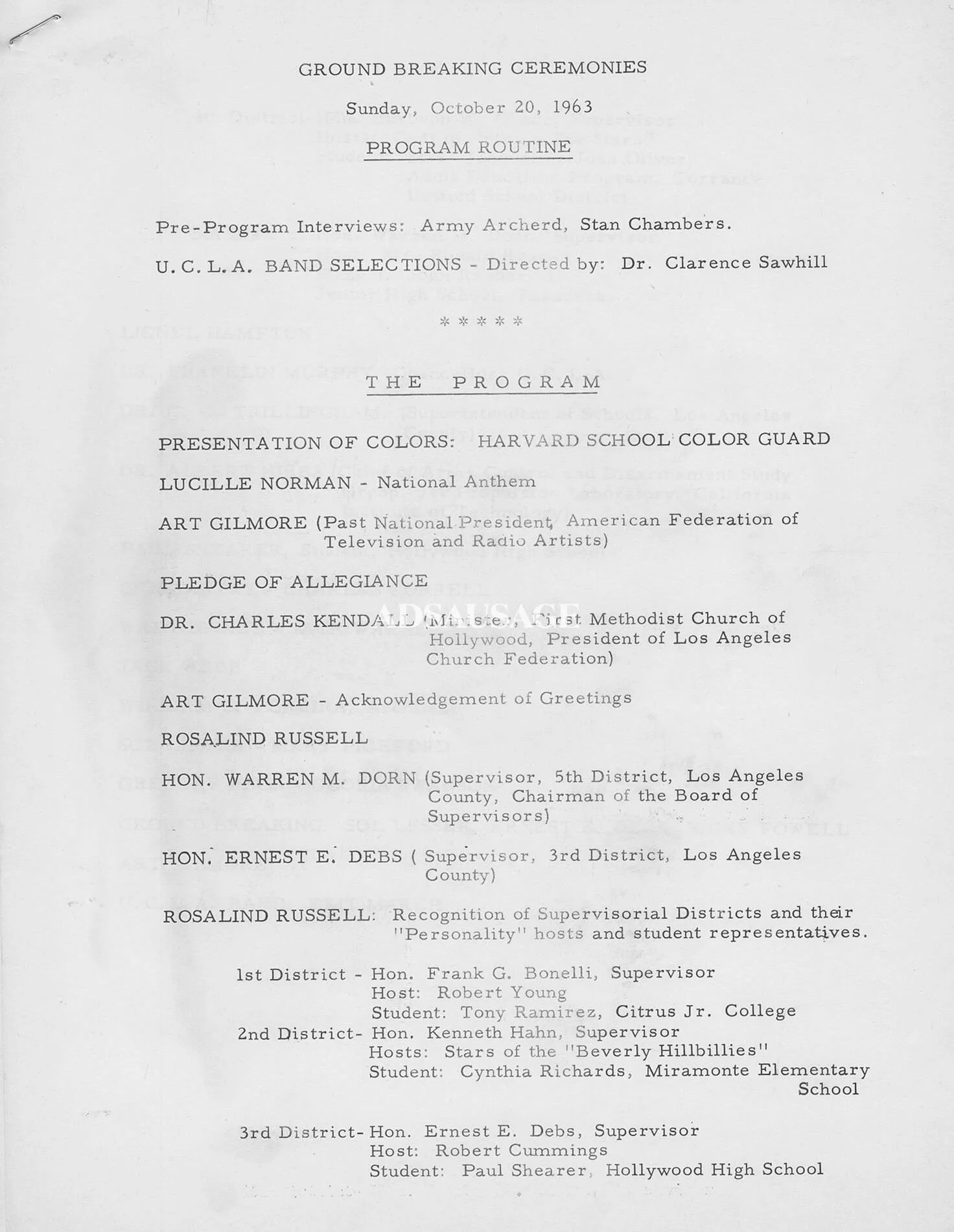
Available to view; the Hollywood Museum Program Papers, 1963.
Watchdog Committee
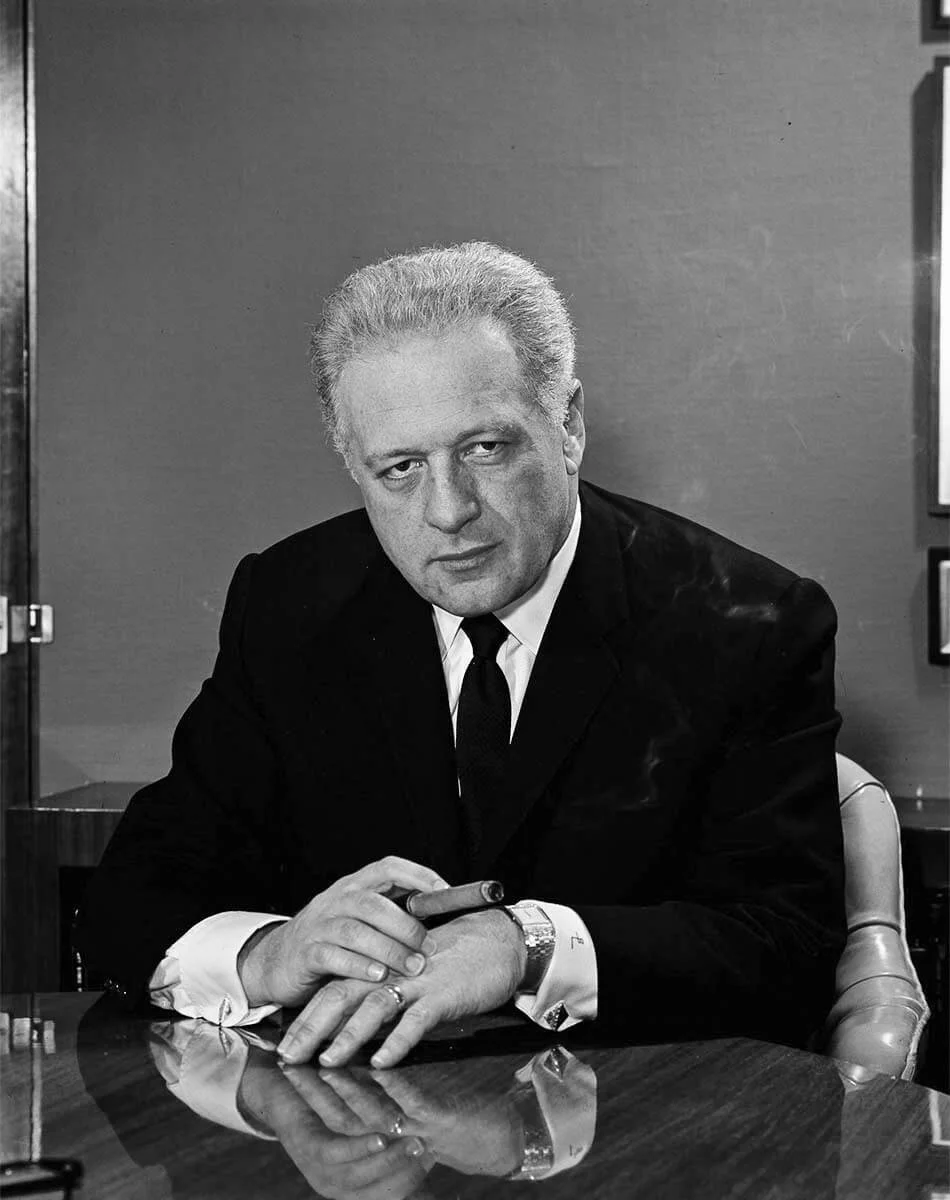
But in early 1964, financier Bart Lytton expressed doubts over the project (having risen to about $6.5M) and called for a watchdog committee. His request was denied, and the Board of Supervisors moved forward with leases and approval of other expenses.
However, the Hollywood Museum Commission was soon disbanded in favor of three non-profit corporations, headed by Lytton. In December 1964, Kenneth Hahn said, "I don't think we should spend another dime on the museum."
Get Off My Lawn
With a spiraling budget putting the cost closer to a whopping $14M, the Museum project resembled a white elephant. But additional troubles were down the road. During the process of acquiring property under an eminent domain ordinance (filed in 1962), one homeowner staunchly refused to give up his condemned lot.
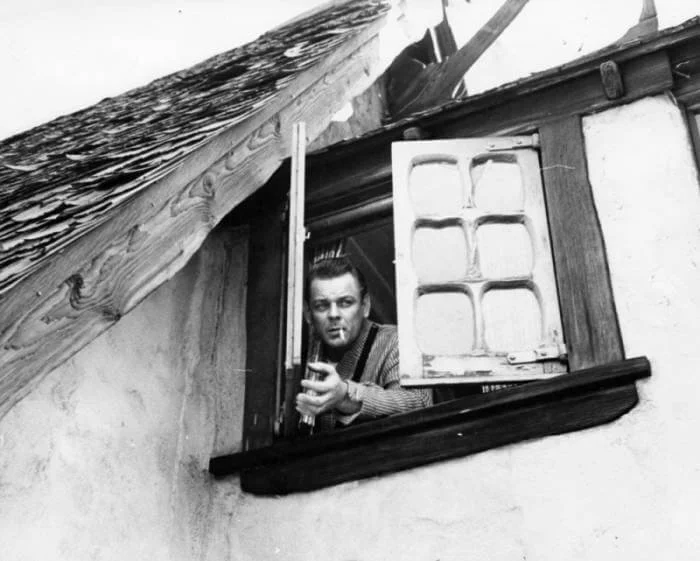
From his compound on Alta Loma Terrace — part owned by the Episcopal Home for the Aged, actor, bartender and family man Steven Anthony (real name Ernest Vnuk) vigorously defended his right to remain, arguing the proposed museum was a "private" venture and unconstitutional.
Fortress Falls
In February 1964, after defying an earlier court order to vacate, a standoff ensued between the deputy sheriffs and Anthony, now with a shotgun and a small child in hand. Hoping to defuse the situation, museum administrators offered the embattled father of three a year's free rent on any home he wished to lease, but this offer was rejected.
We might have bloodshed. Let's all remember we are just building a motion picture museum. This isn’t a freeway, an overcrowded jail or a hospital. Let us re-evaluate his case.- Supervisor Kenneth Hahn, 02/13/1964.
Although Anthony managed to ward off imminent bulldozing with appeals, the U.S. Supreme Court rejected Anthony's final petition and refused to intervene.
Not holding back his elation at the news, Supervisor Ernest E. Debs told reporters, "This should remove the last stumbling block to getting work underway." And indeed, work did get underway in April 1964, when a county wrecking crew, working under the protection of scores of deputy sheriffs, demolished “Ft. Anthony” with bulldozers and a clam bucket.
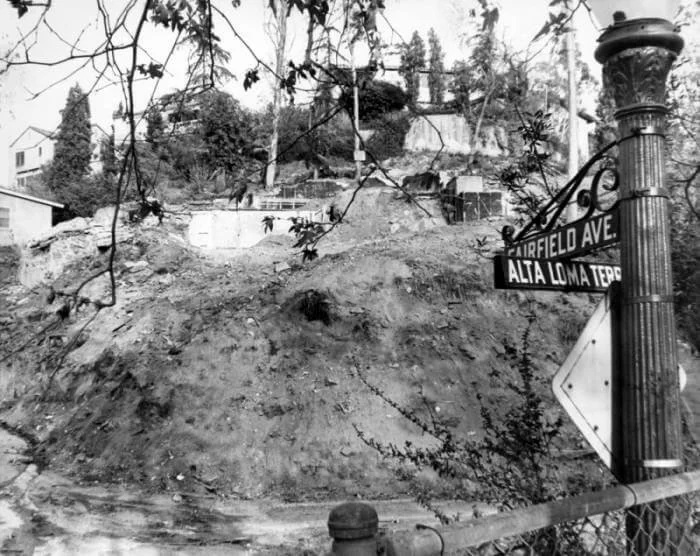
The wrecking was widely condemned. Locals argued it was a misuse of public funds and bomb threats were made on the Arcadia residence of Sheriff Peter J. Pitchess.
And despite the Museum's overreaching efforts to claim its last obstacle, the project faltered, plagued by dwindling public support and financial problems (the cost ballooned to a reported $21M).
Dead Dodo
Spearheaded by Kenneth Hahn, who felt money had been squandered, the city renewed its efforts to have the museum open its books to the public and to seek a $5M guarantee from sectors of the entertainment industry.
After coughing up just over $1M on startup costs, the Board of Supervisors, and a three-member panel headed by financier Bart Lytton cut funding to what was dubbed "an unfeasible Taj Mahal".
Even revered architect William L. Pereira received flak; the Los Angeles Times reported that Bart Lytton's overseeing committee, while full of praise for Pereira's "magnificent" and "dynamic" concept, found the designs economically unfeasible for a self-supporting institution.
The anxious group feared the current building would not accommodate enough people, speculating that the museum would need to operate at between $4M and $6M annually. At a $1 admission fee, the museum would need between 4 and 6 million visitors per year.
The proposed site of the former home at Alta Loma Terrace and Fairfield Avenue became nothing more than a parking lot — graded and blacktopped in mid-1965, creating 90 temporary parking spaces for the Hollywood Bowl. Following the departures of former top staff, Lesser followed suit and resigned from the Museum project, citing health reasons.
For Sol Lesser, who died in 1980, it was the last of his public projects.
And yet the comatose project continued to loiter. Two years after being abandoned, grandiose plans were announced to construct Mt. Hollywood – a massive complex built atop Griffith Park. Proposed by architect Charles Luckman, the commercial complex was intended as a year-round source of revenue. Plans included a walkway with 360-degree views, a revolving restaurant, a mall, and a Hollywood Hall of Fame, later evolving into the stalled museum. The brazen concept also included an aerial tramway down to the Los Angeles World Zoo.
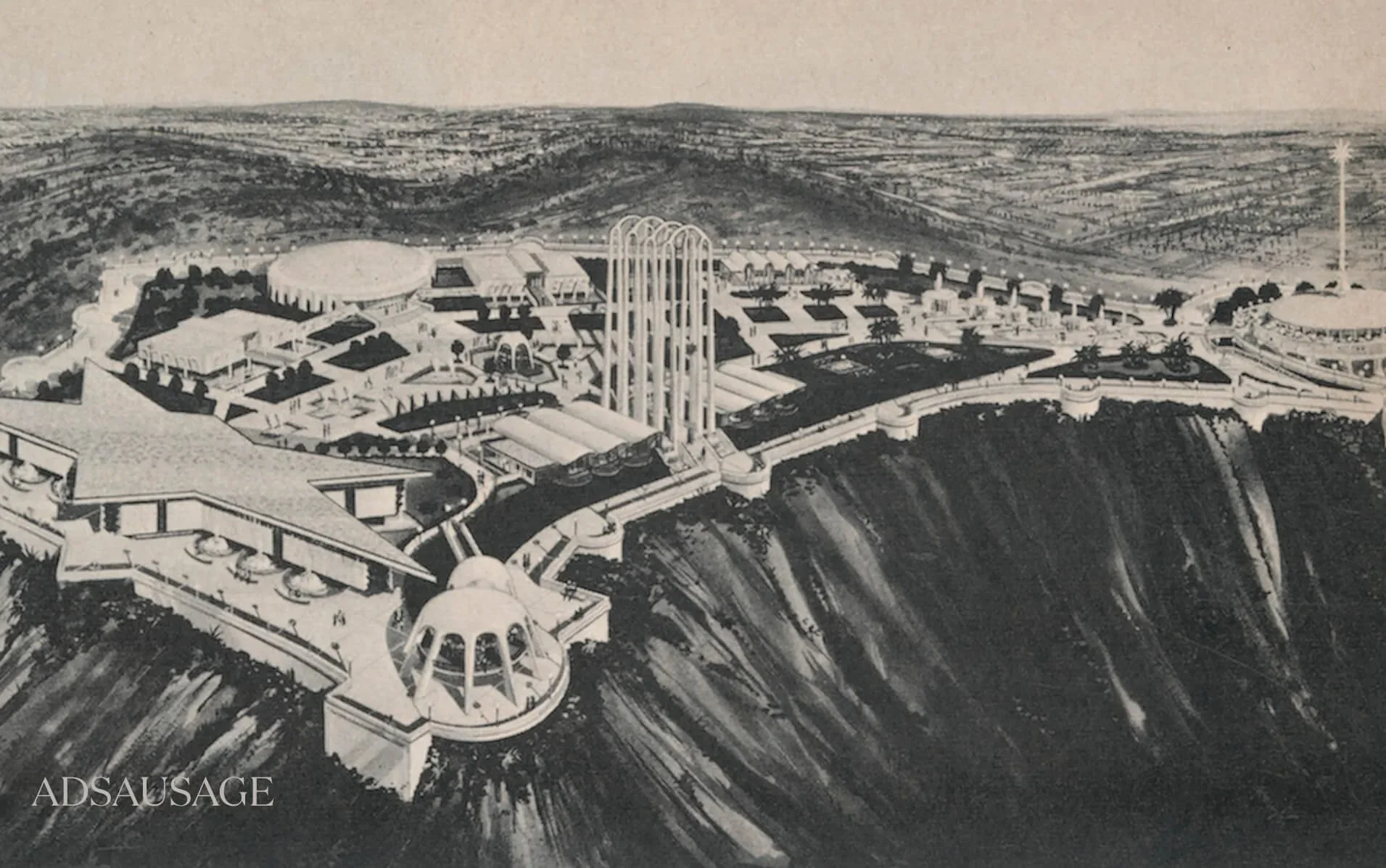
The Griffith Park project was met with strong disapproval and ultimately shelved.
Yet in 1970, the Department of Recreation and Parks announced a plan to revive the defunct museum in West Hollywood. For roughly $1M, the museum would be developed on the site of the William S. Hart property on De Longpre Avenue — donated to the city in 1944.
One year later, the task of sorting and cataloging the mass of movie material for the planned museum was managed by the Parkview Photography Center, founded by Clarence Inman in 1961. A dozen curators were assigned to manage the year-long project, which comprised almost 2000 reels of film dating back to 1915, antique projectors, props, and costumes.
Over several years, the dusty artifacts — valued between $1M and $2M — bounced around various locations. In 1968, the Board of Recreation and Parks agreed to store and maintain the property. By 1973, the items found a new home on the second floor of the former Lincoln Heights Jail.
Aftermath
Long after the dust settled on the Hollywood Museum, former Supervisor Eugene Debs said the media overplayed the Anthony affair but conceded museum organizers and the industry shot it in the foot. Debs concluded, "The museum we envisioned, there just wasn't the public support for it."
As for Steven Anthony, the beleaguered bartender who was charged with battery and resisting arrest during his deceptive eviction, he unsuccessfully sued the county in 1968 for $2M in damages. During sentencing to determine where he would serve his sentence, Judge Byron Walters called Anthony "an anarchist, rabble-rouser and publicity seeker.
The Anthony family moved to Tuolumne County, Northern California, in 1971, where they lived until Steven Anthony passed away in 1996.
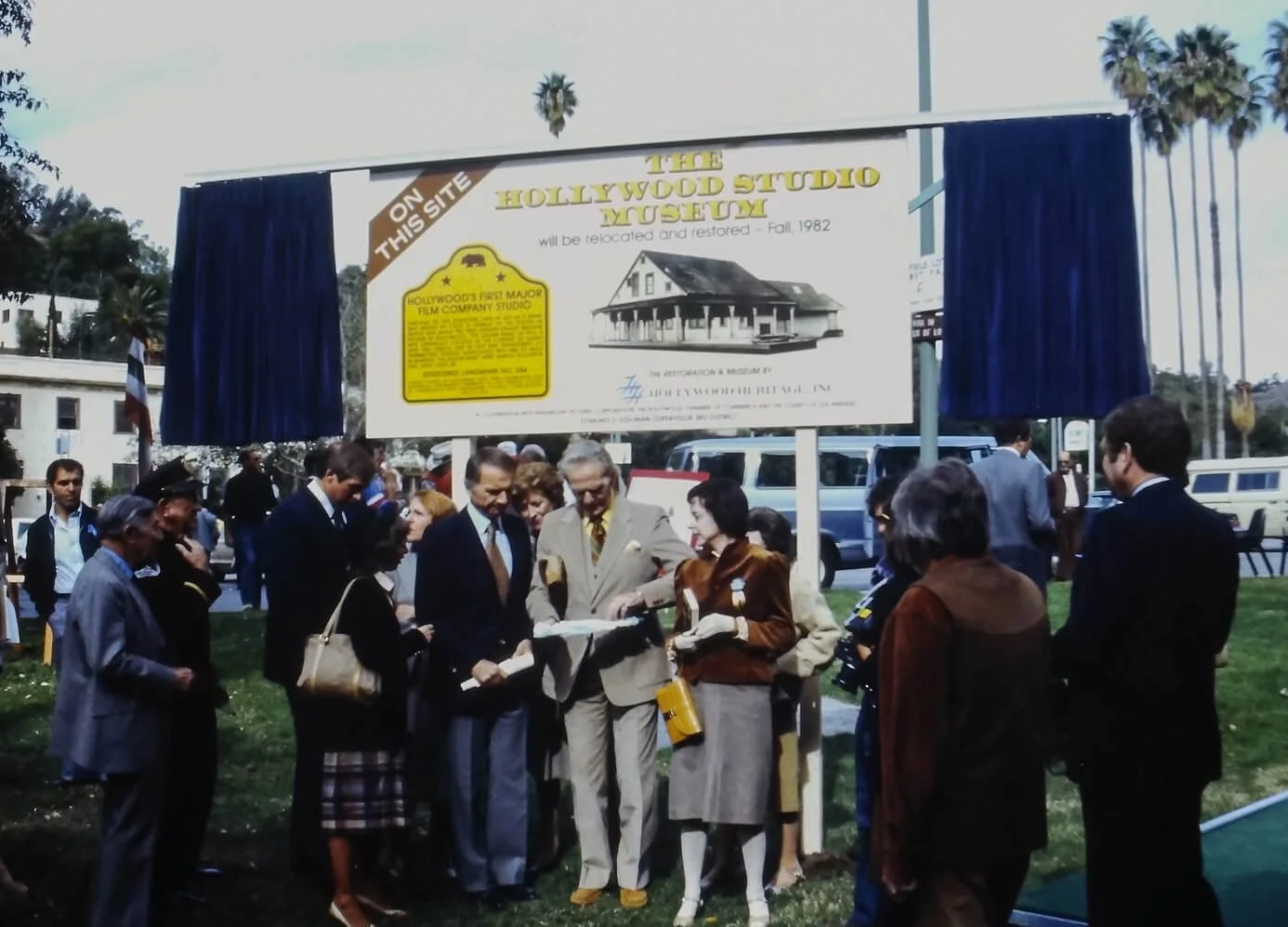
Following attempts from a number of Hollywood dignitaries including the unsinkable Debbie Reynolds, successive efforts to realize a permanent Hollywood museum came around again in 1982. The old Lasky-DeMille Barn was saved and moved from Paramount Studios to the Fairfield parking lot… by the Hollywood Bowl.