Keeping Print Alive
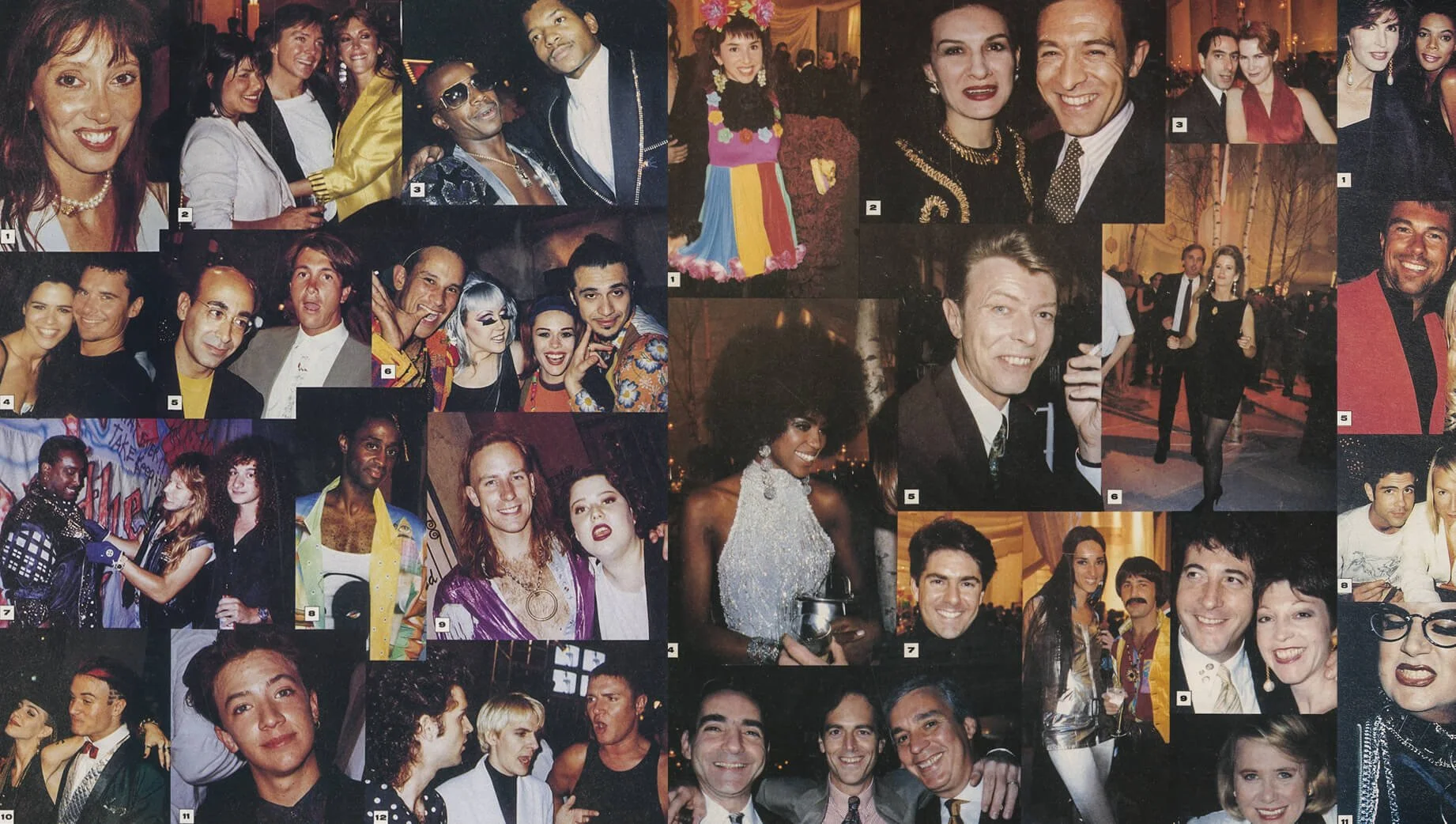
The early-1990s recession had a significant impact on the print-magazine industry. With regard to advertising, the biggest effect was a reduction in advertising spending. With smaller margins, companies facing lower sales and tighter budgets cut or postponed magazine advertising; a major source of revenue for publishers.The recession forced many publishers to cut costs. Of course, the more fundamental disruption came later from digital media, changing consumer behavior, and the migration of advertising to the Internet. Buzz Magazine
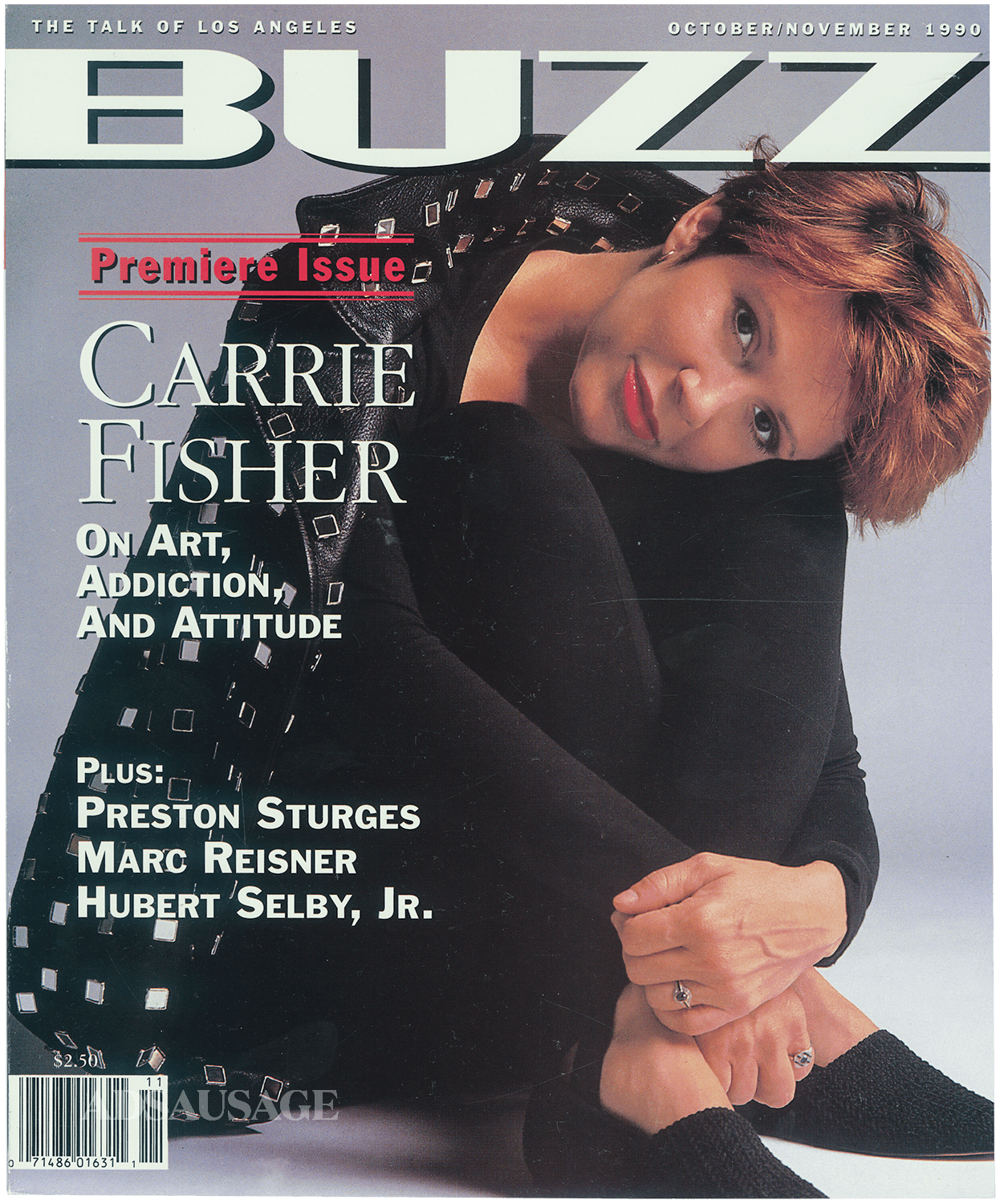
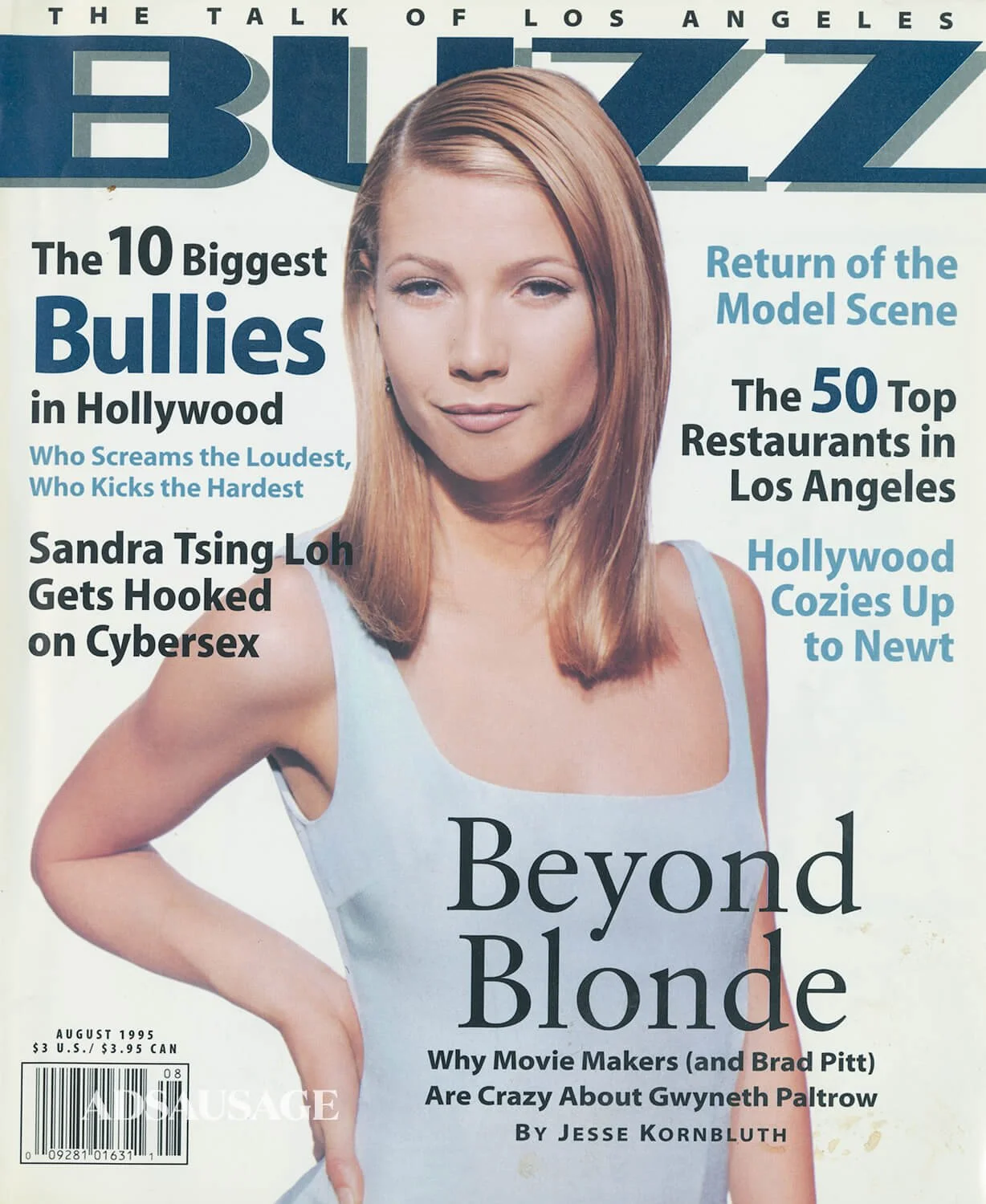
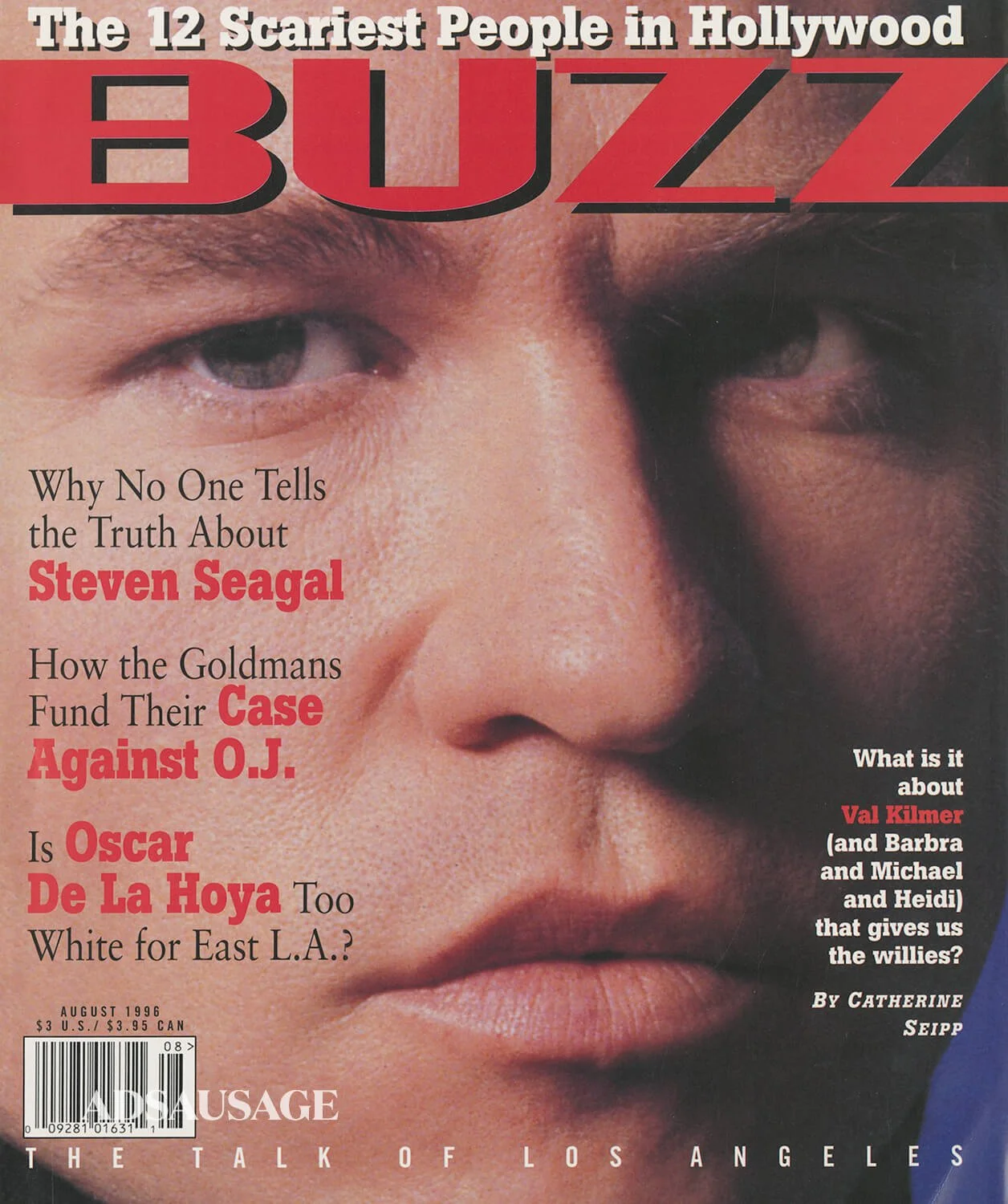
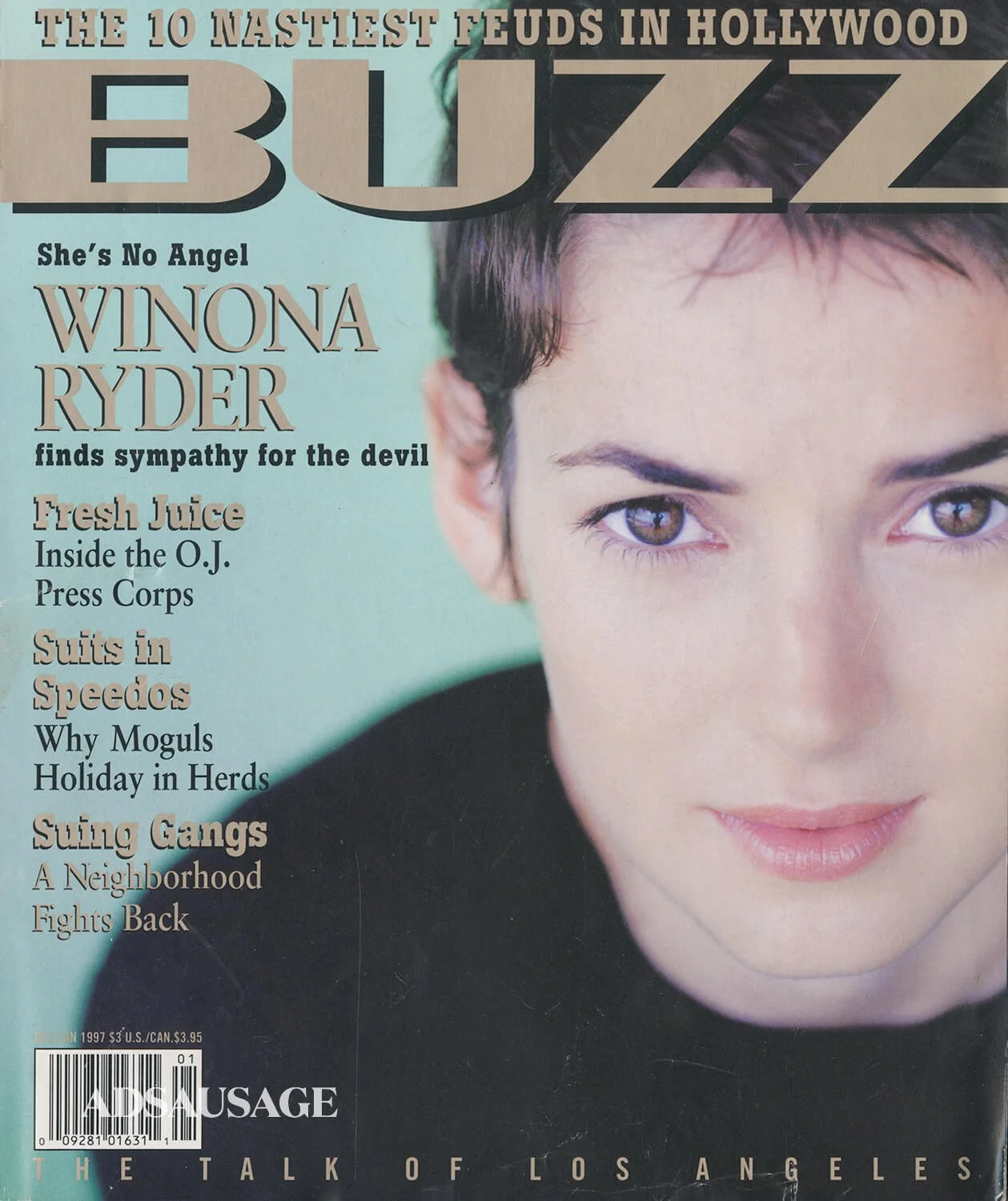
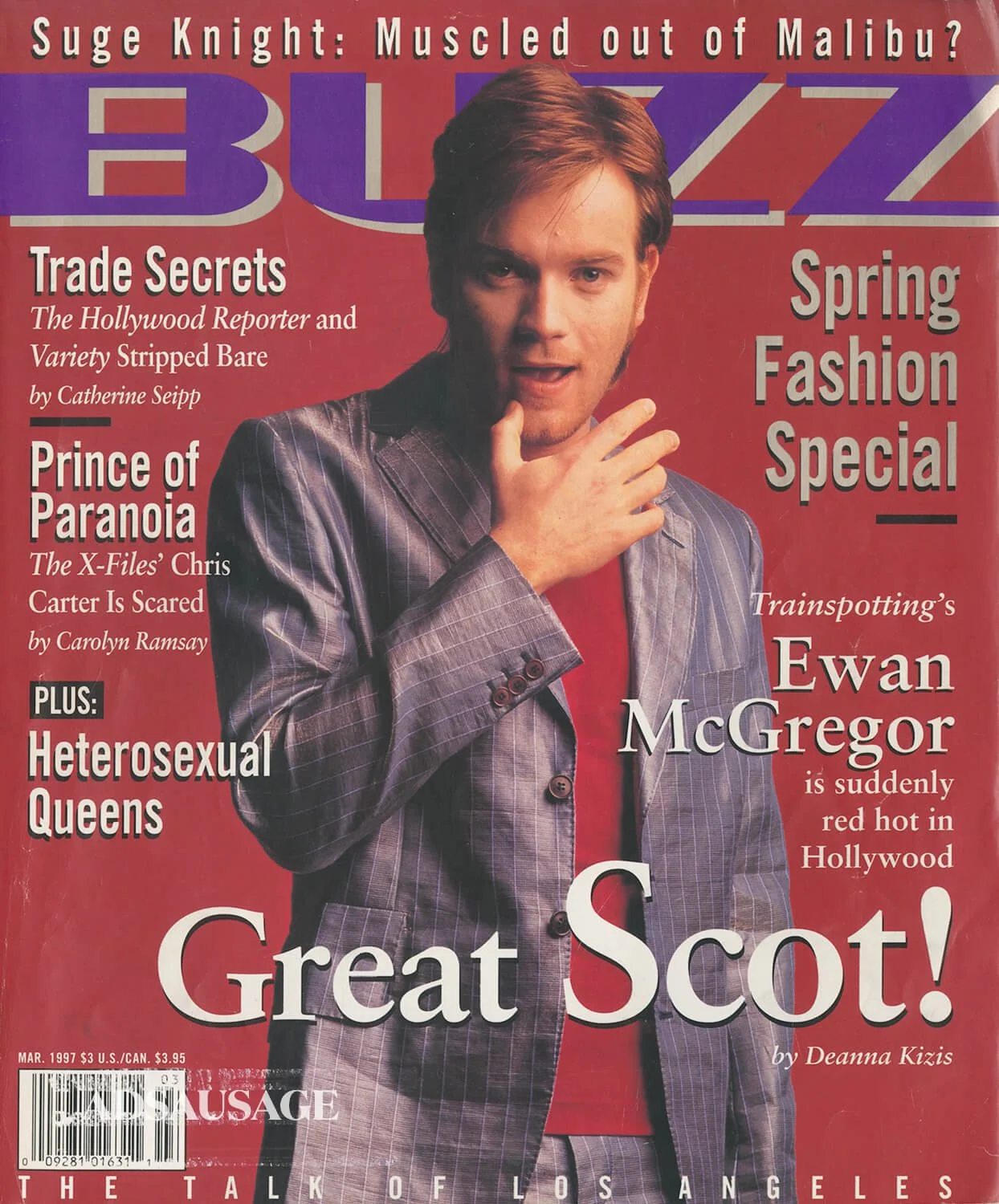
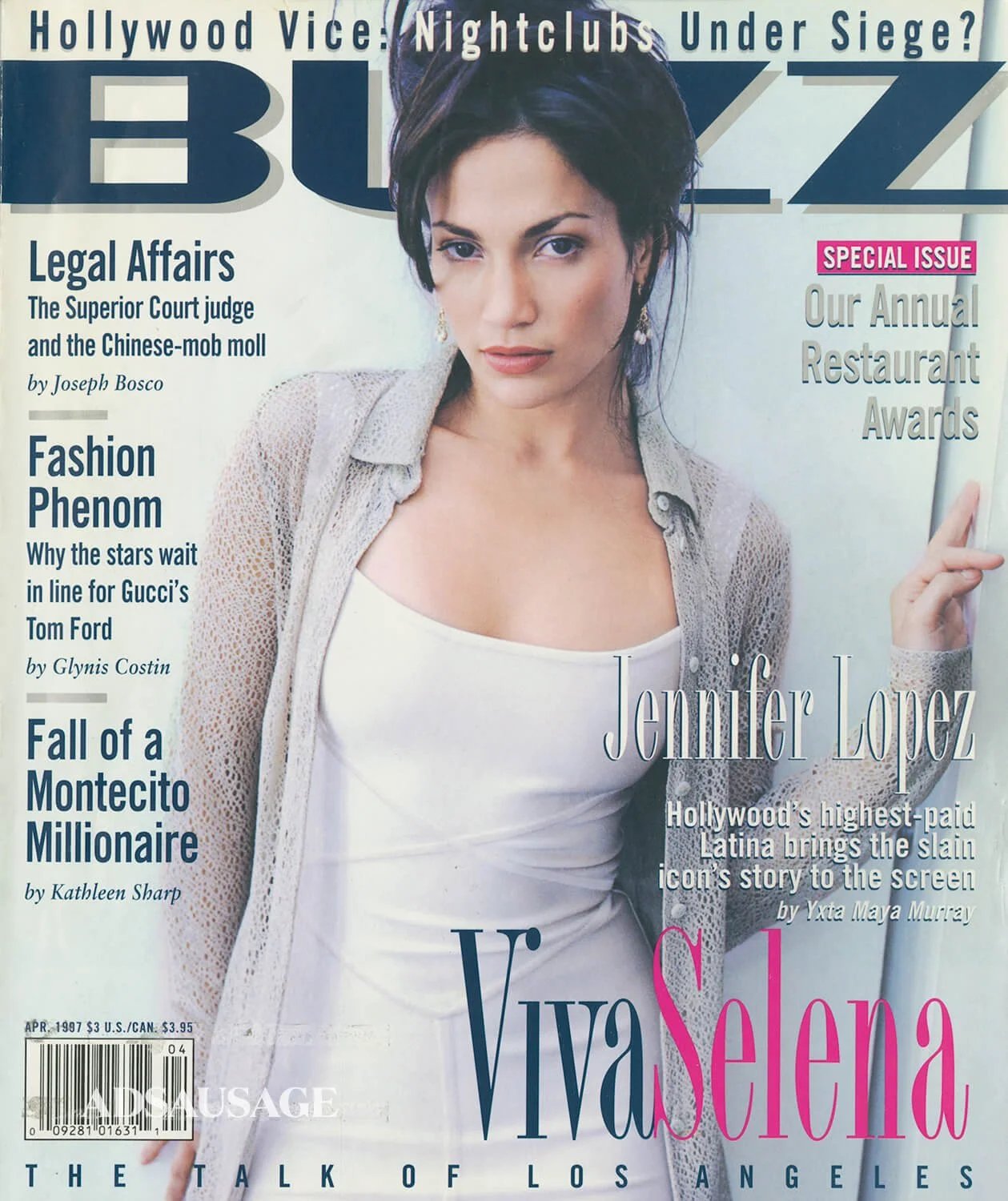
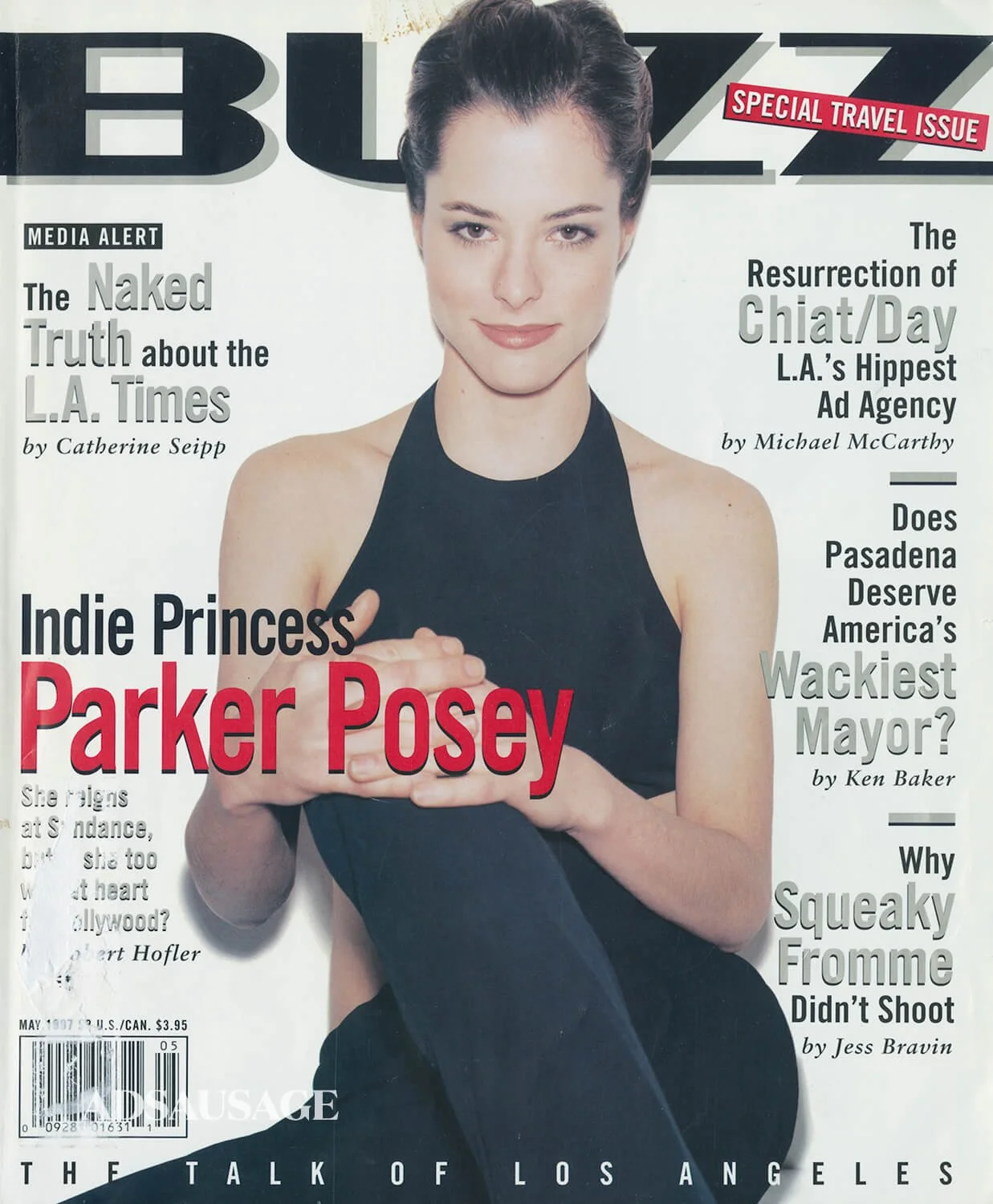
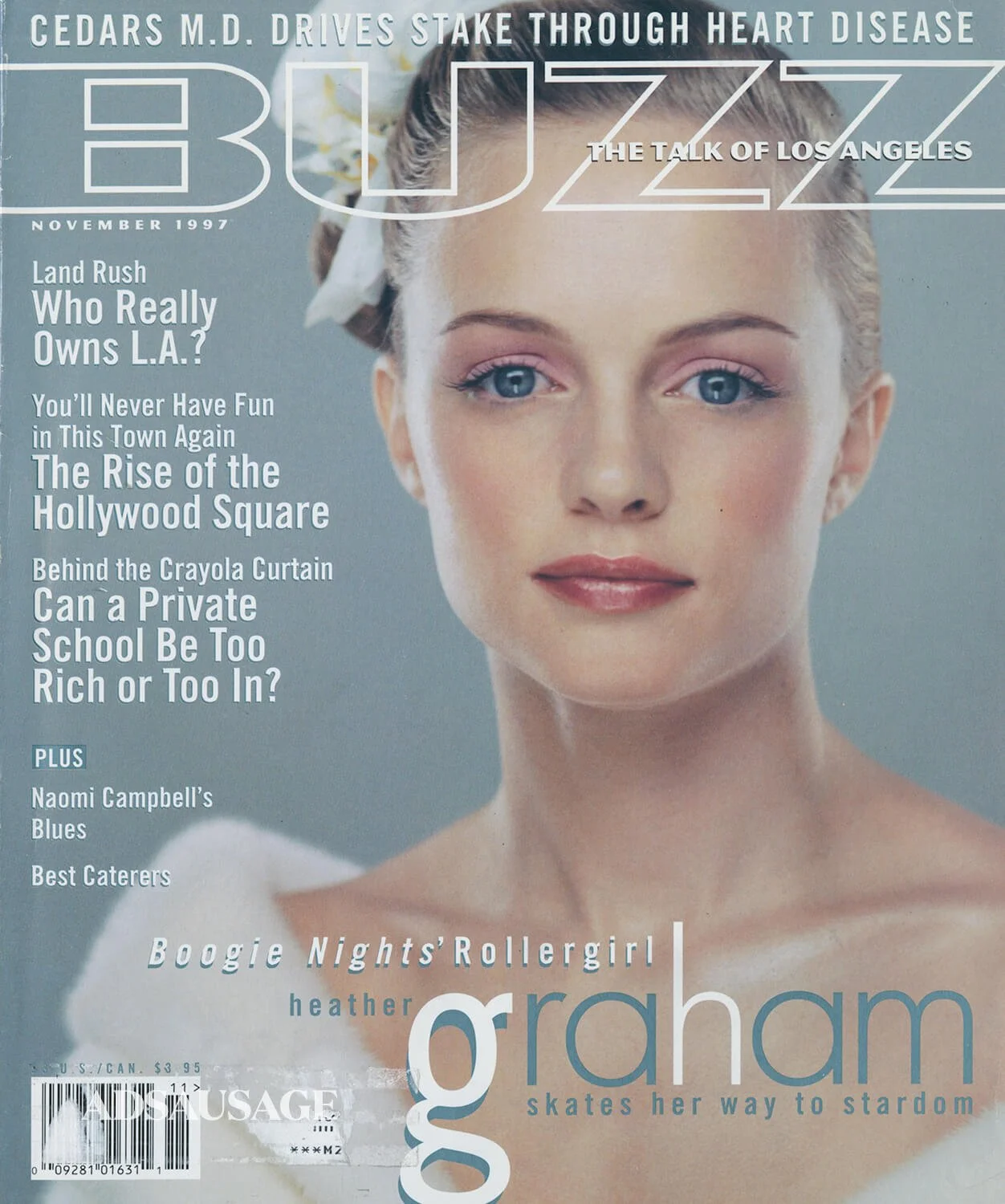
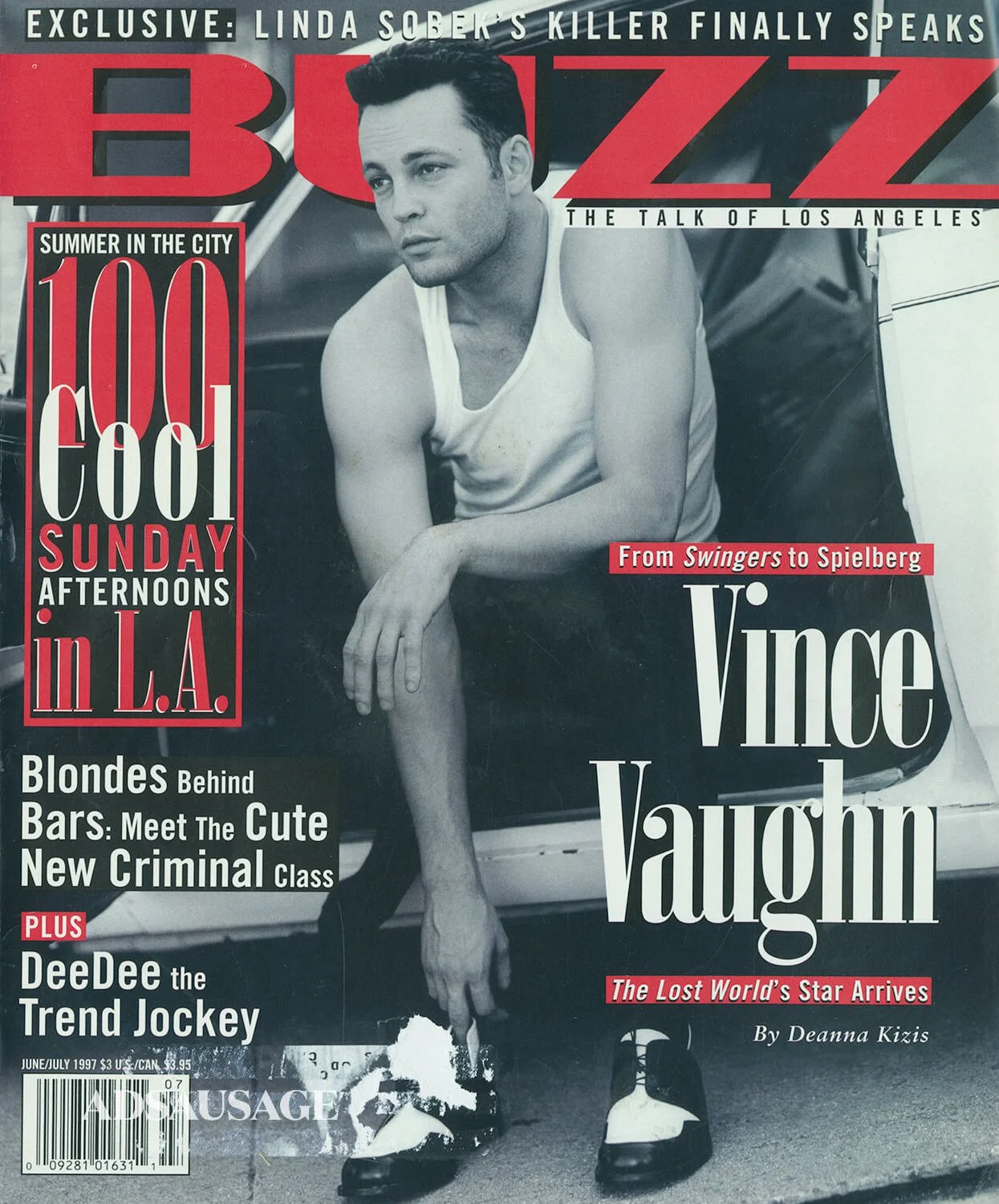
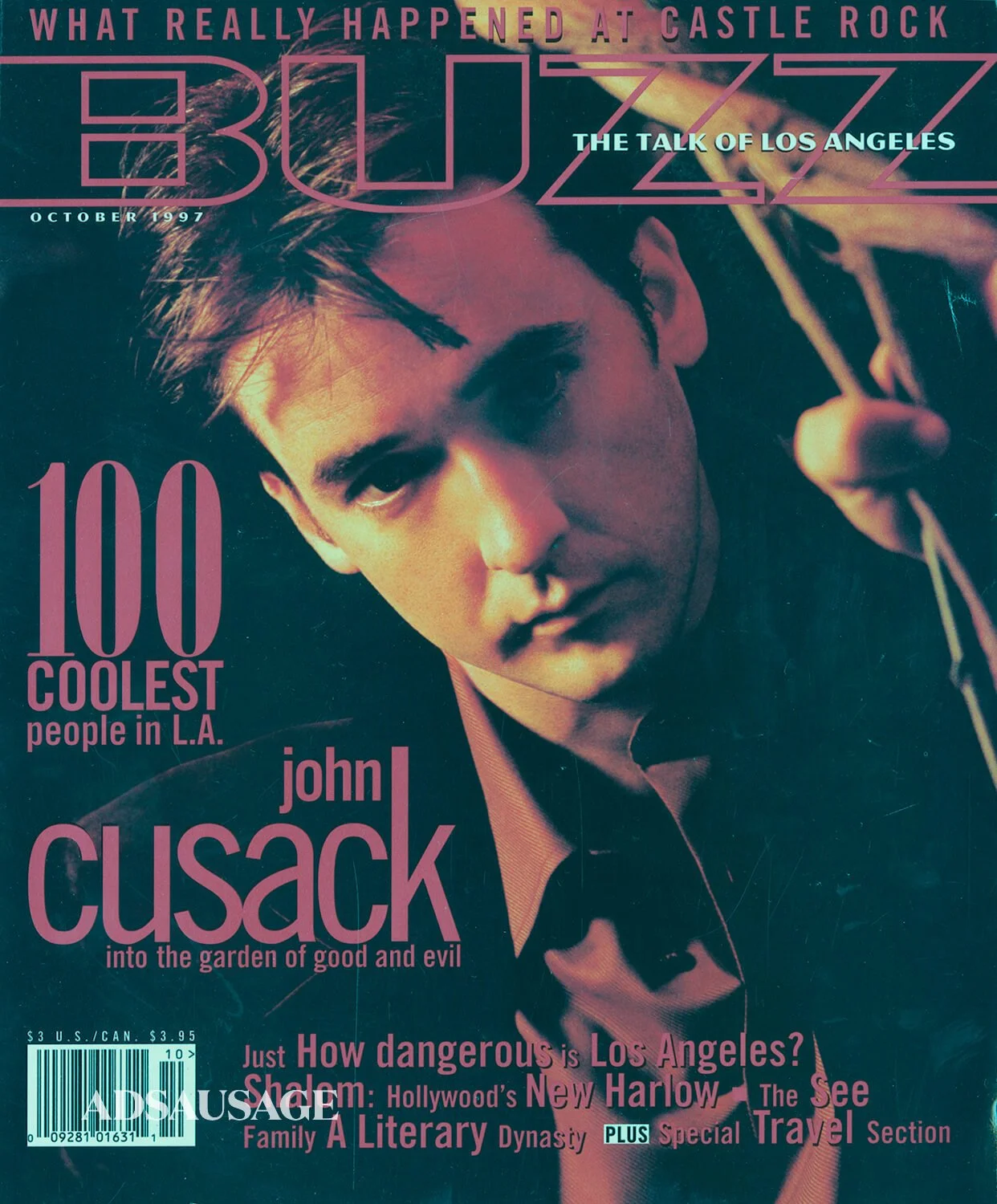
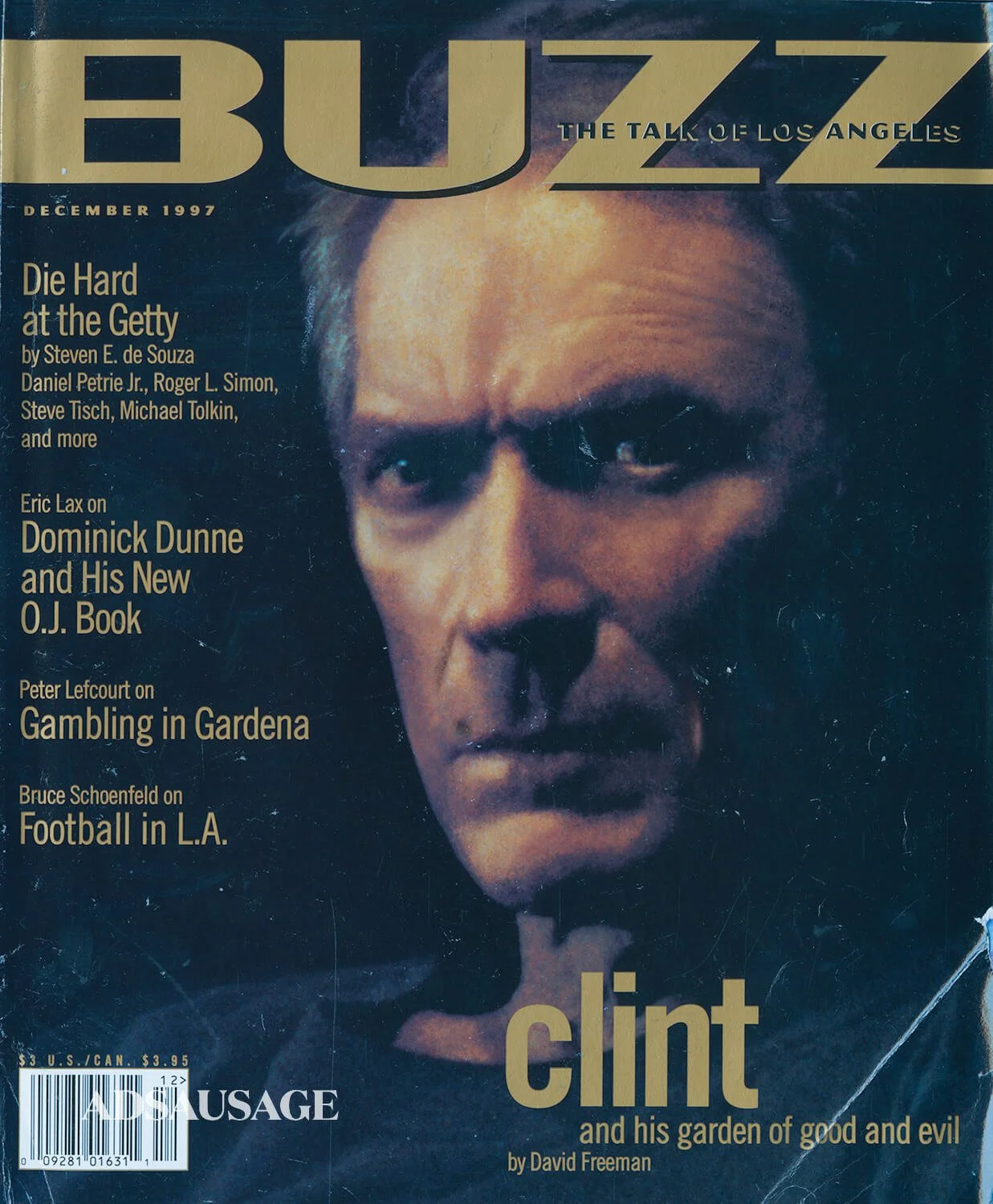
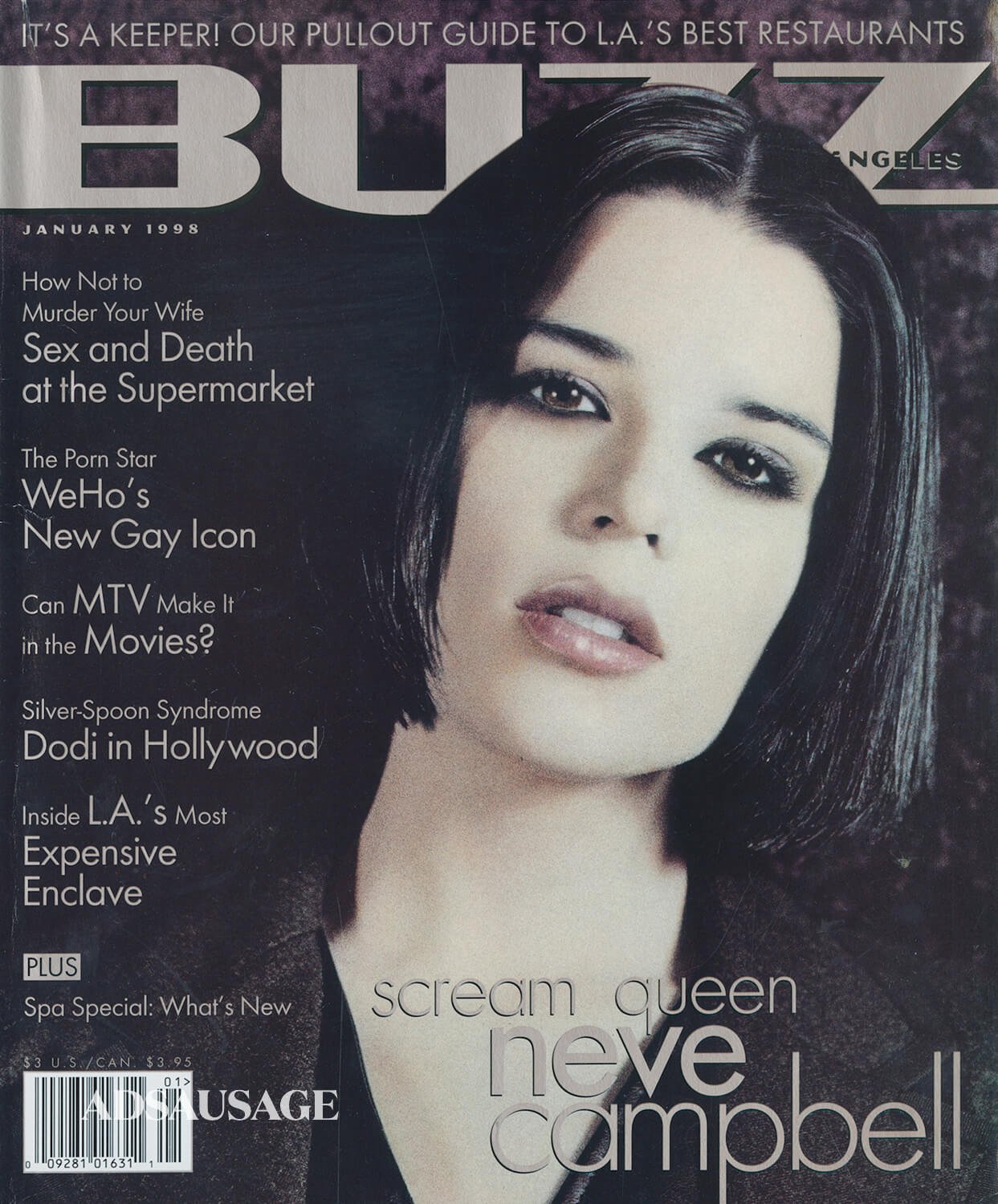
Launched from an estate on Mulholland Drive, Buzz Magazine was founded by New York entrepreneurs Allan Mayer, Susan Gates, and Eden Collinsworth. The glossy magazine with double-spaced text launched in October/November 1990.
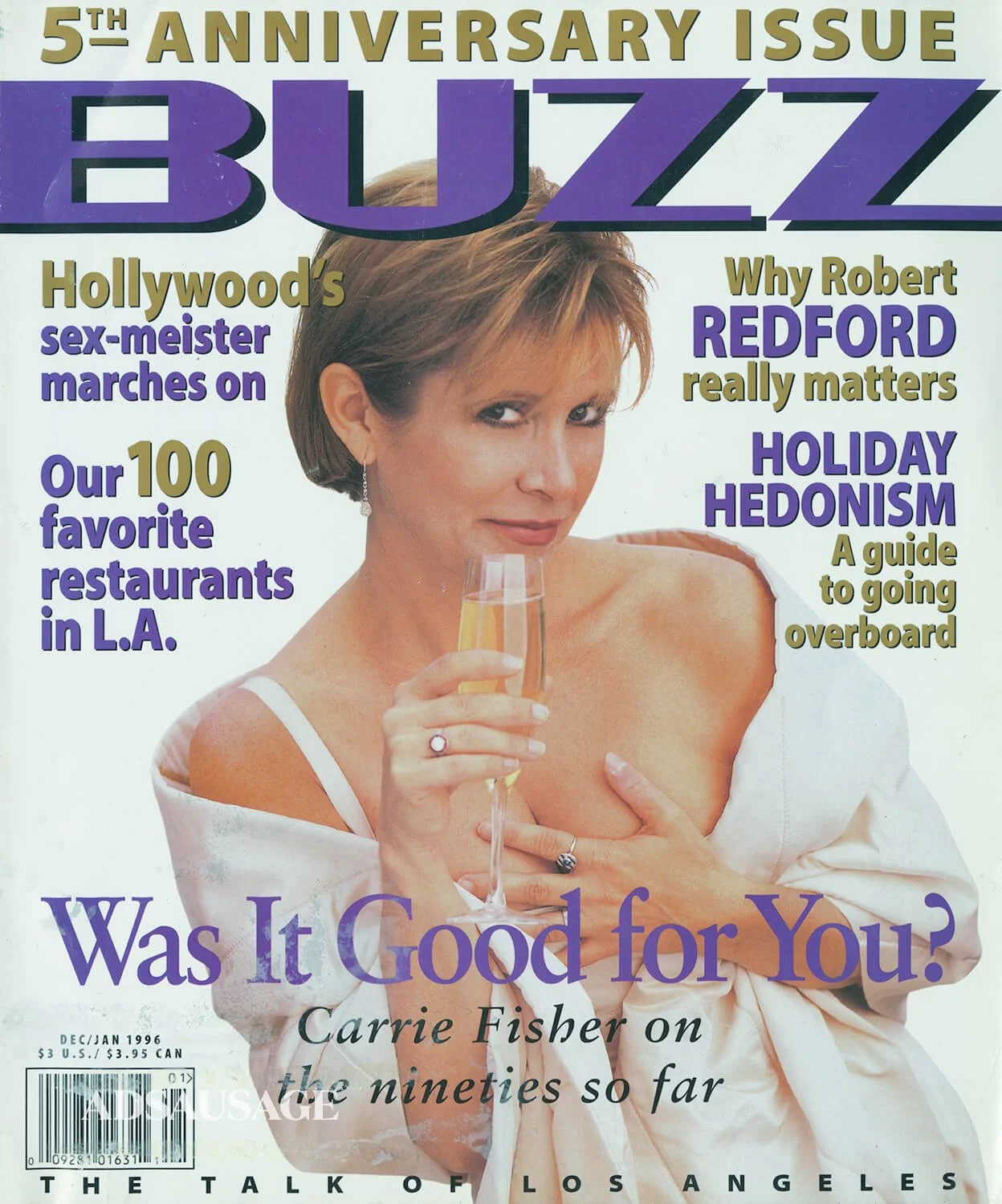
The premiere party was held at the Tribeca restaurant in Beverly Hills. Attendees included William Wegman's covergirl Carrie Fisher, Wes Craven, Eden Collinsworth, and her husband, William Hamilton.
Admiring its tone and format, the L.A. Times called Buzz "the best journal yet on the local scene."
But the upstart magazine had a precarious start. The original investor, Lawrence Ellison, pulled out, and Buzz folded after three issues. In a 2013 article for Vanity Fair ("The Man Who Would Be Gates"), Ellison was quoted as saying, "I had been distracted. I had started Buzz magazine [with two other investors in Los Angeles]. That was the very silliest [thing I did]. I was spending a little too much time in Hollywood, enjoying the newness of my celebrity."
In April 1991, the L.A. Times noted the magazine's hasty disappearance was in good company; Jane Fonda's Workout in Beverly Hills had shut down, as had the new Hollywood Brown Derby restaurant, and after 29 years, Grilled Dodger Dogs were replaced with a steamed variety.
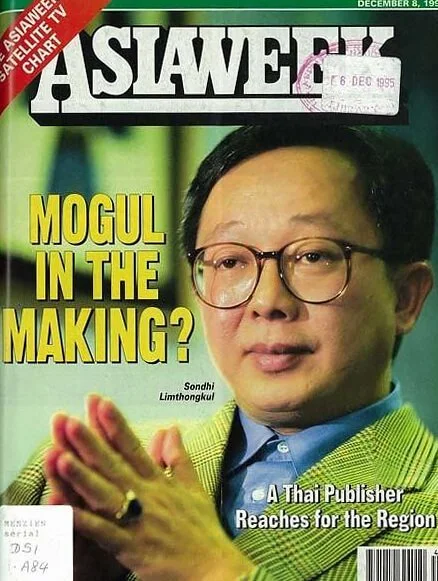
However, the "Talk of Los Angeles" returned when Thai media mogul Sondhi Limthongkul invested around $4.5M (the Utah State University graduate had recently failed in his bid for United Press International). The former UCLA student also purchased the printing company for good measure.
Returning to newsstands in late 1991, the magazine re-emerged with something extra: "The Best of Buzz”; a cassette tape featuring seven stories. Drivers on the 405 could now enjoy every word of Harlan Ellison's "The Dedication of the Nixon Memorial Library".
However, two years later, looking to increase circulation to 100,000, Buzz magazine acquired the troubled L.A. Style magazine, then owned by financial services behemoth American Express. Along the way, Buzz enlisted former Details founder Annie Flanders as style consultant.
It was reported that Los Angeles Magazine was offered a deal to snap up L.A. Style, but declined. In 1996, original co-founder Susan Gates was ousted, followed by Allan Mayer's resignation six months later. Marilyn Bethany succeeded Mayer.
Collinsworth remained.
To fix the financial hemorrhaging, investor Sondhi Limthongkul brought in a consultant to diversify the magazine, but eventually cut his losses. Technology investor Sharon Chadha arrived with fresh capital.
Despite a solid talent roster that included Hubert Selby Jr., Harlan Ellison, George Christy, Cheryl Crane, Catherine Seipp (as Margo Magee), and Sandra Tsing Loh, Buzz faced continued difficulties. The magazine had a reported negative net worth of $11 million.
The magazine, which had rarely turned profitable, soon filed for bankruptcy — and declined a stock-swap offer from troubled Detour magazine. Additionally, newsstand nemesis Los Angeles Magazine purchased its assets for approximately $5.3 million.
Buzz magazine is dead… what took so long? In just two short years, Buzz transformed from a smart, ambitious monthly with national street cred to a $3 Hollywood fellatio machine.
New Times, 1998.
Ironically, Buzz had recently nabbed two "Maggie" awards from the Western Publications Association — one for Best City Magazine and another for Best Consumer Publication (besting New Times, and the LA Weekly).
In August 1998, the last remnants of Buzz, down to the extension cords, were auctioned off. That same month, Los Angeles Magazine announced to readers its acquisition of the trademark and subscription list. It’s new feature was called “L.A. Buzz”.
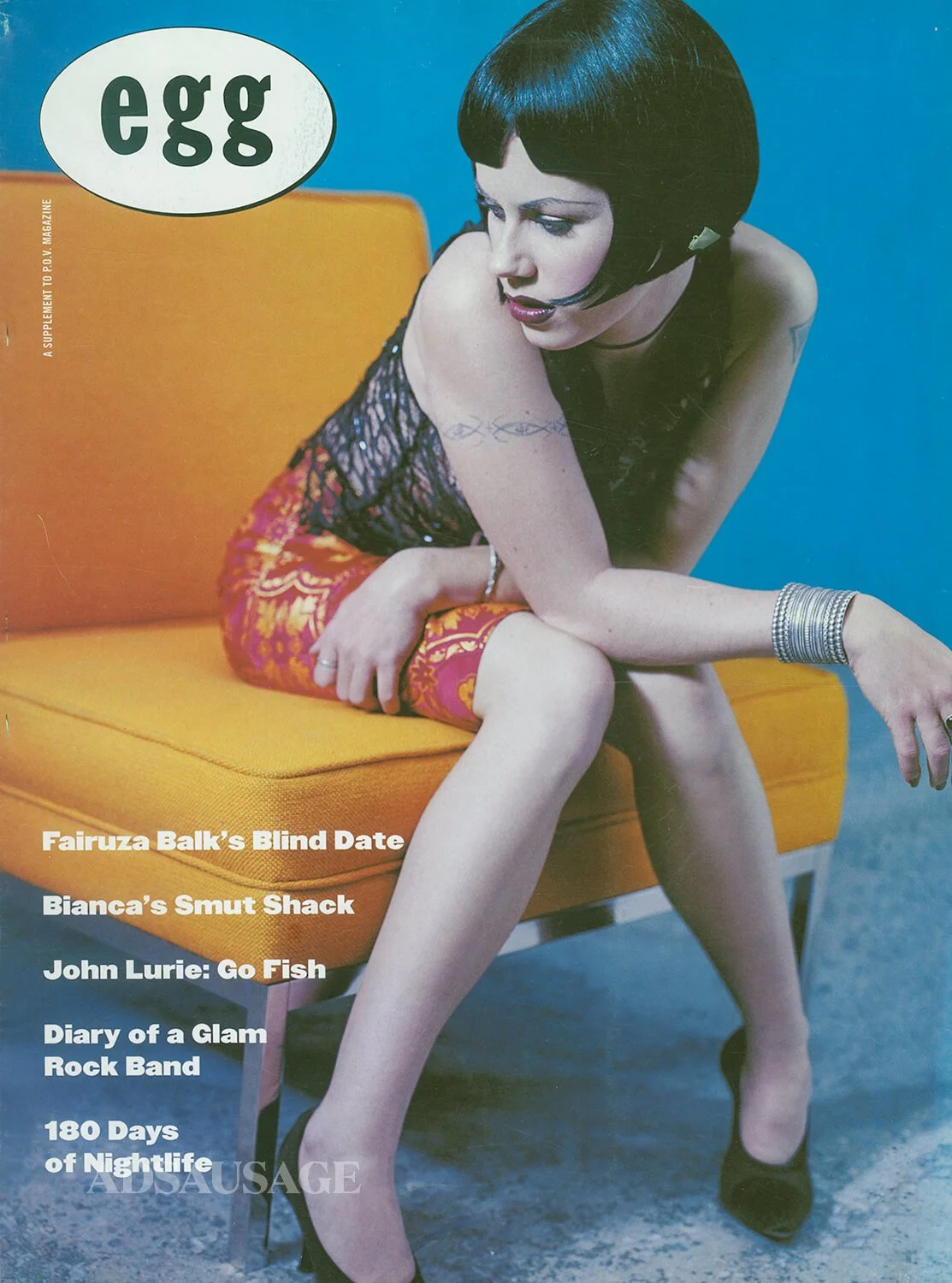
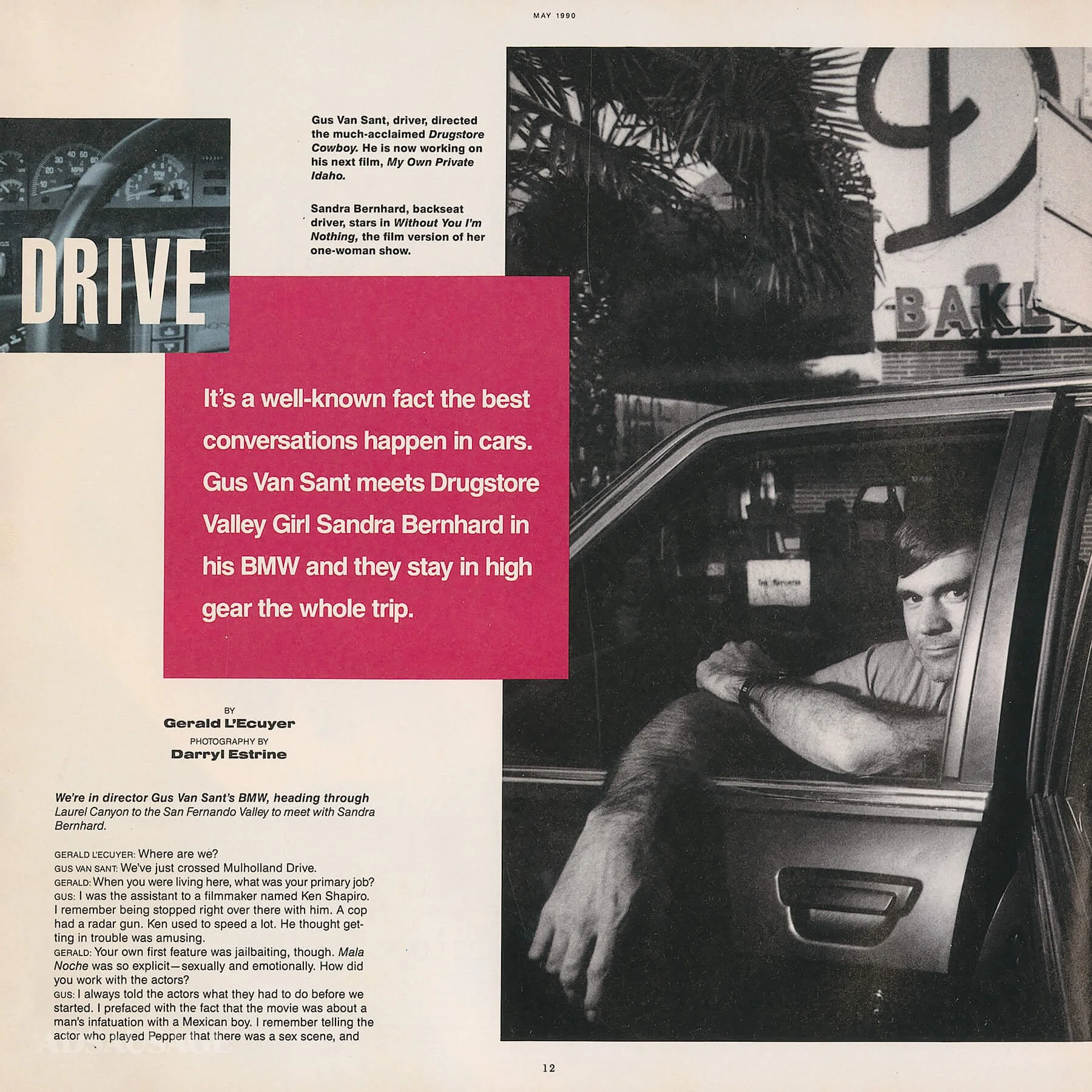
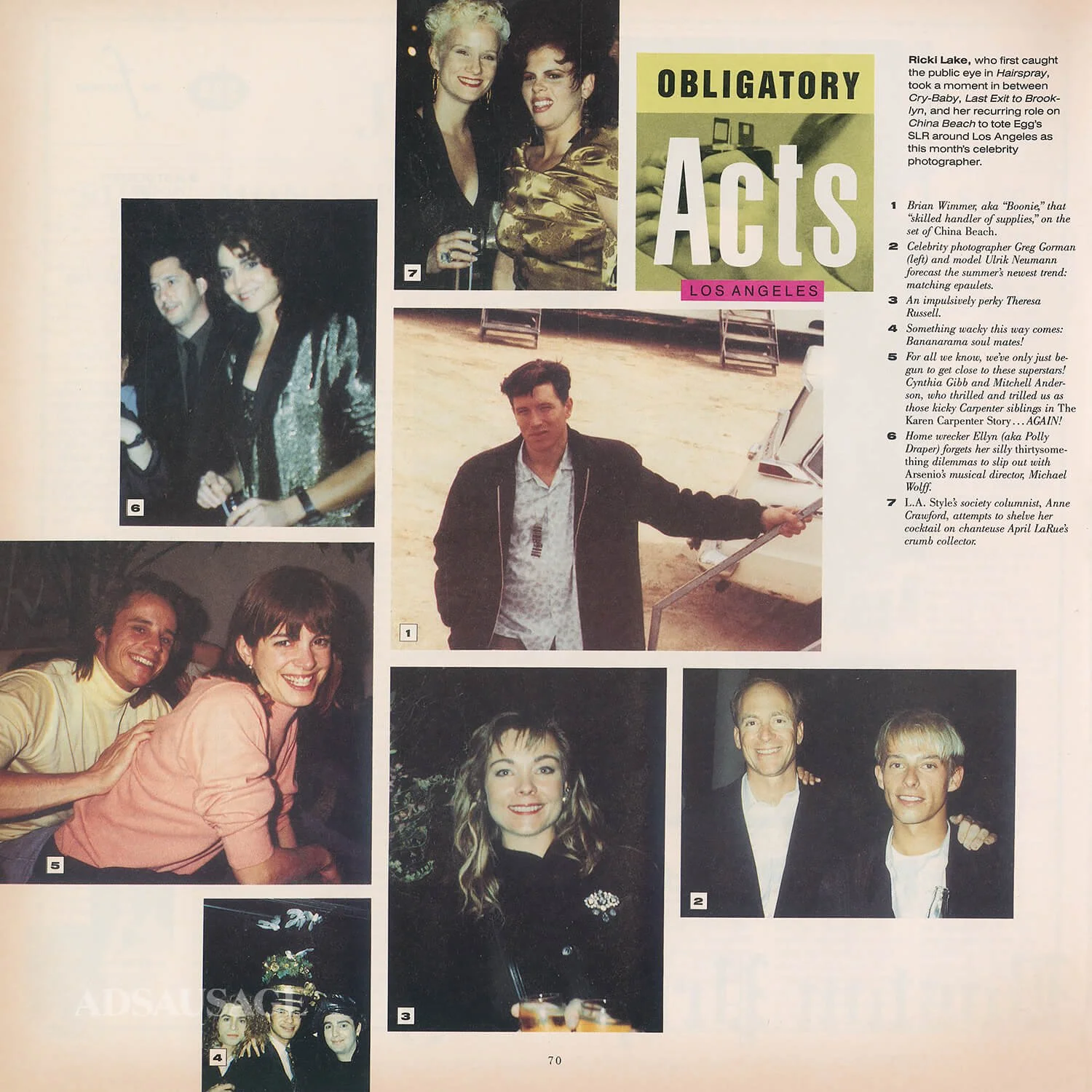
Egg Magazine

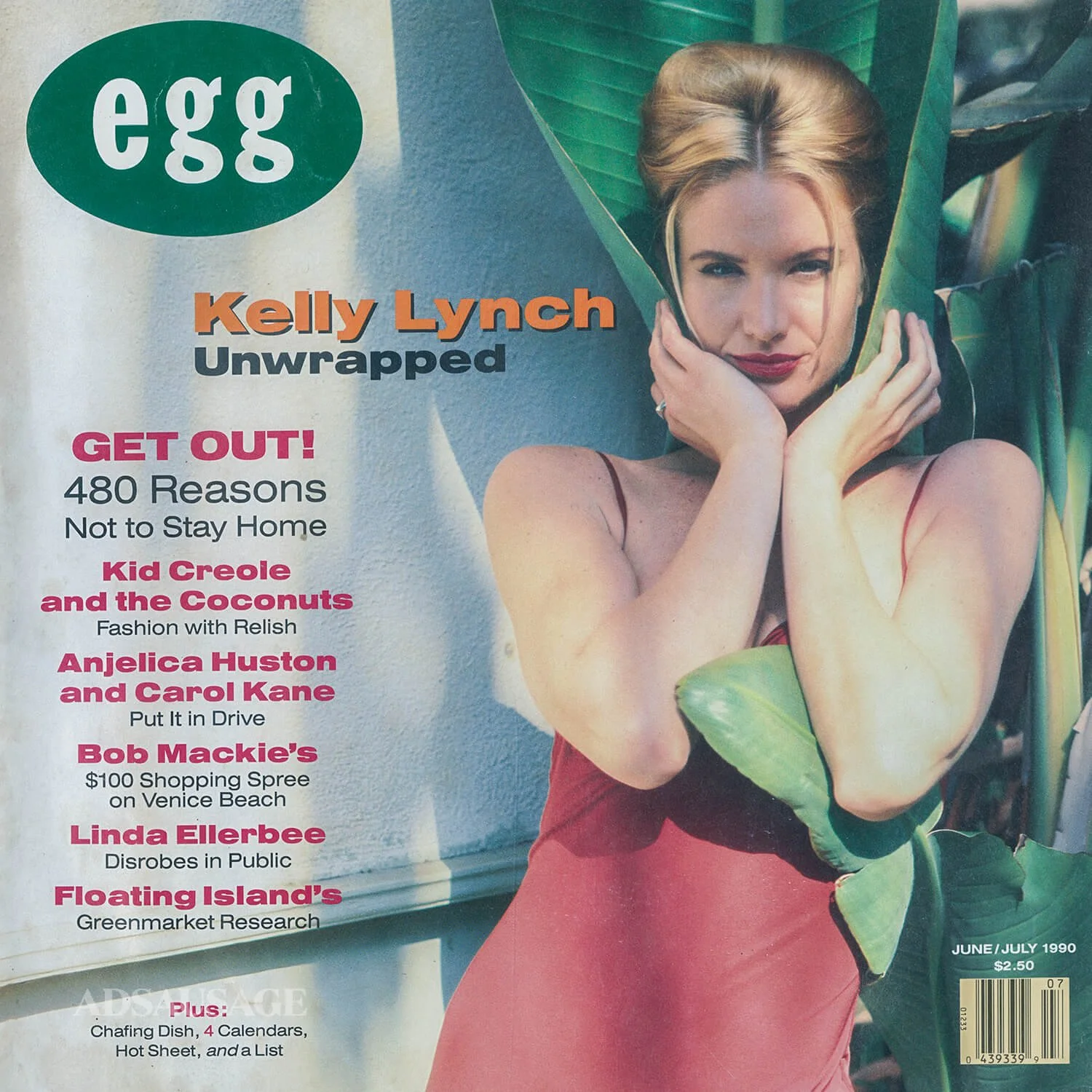
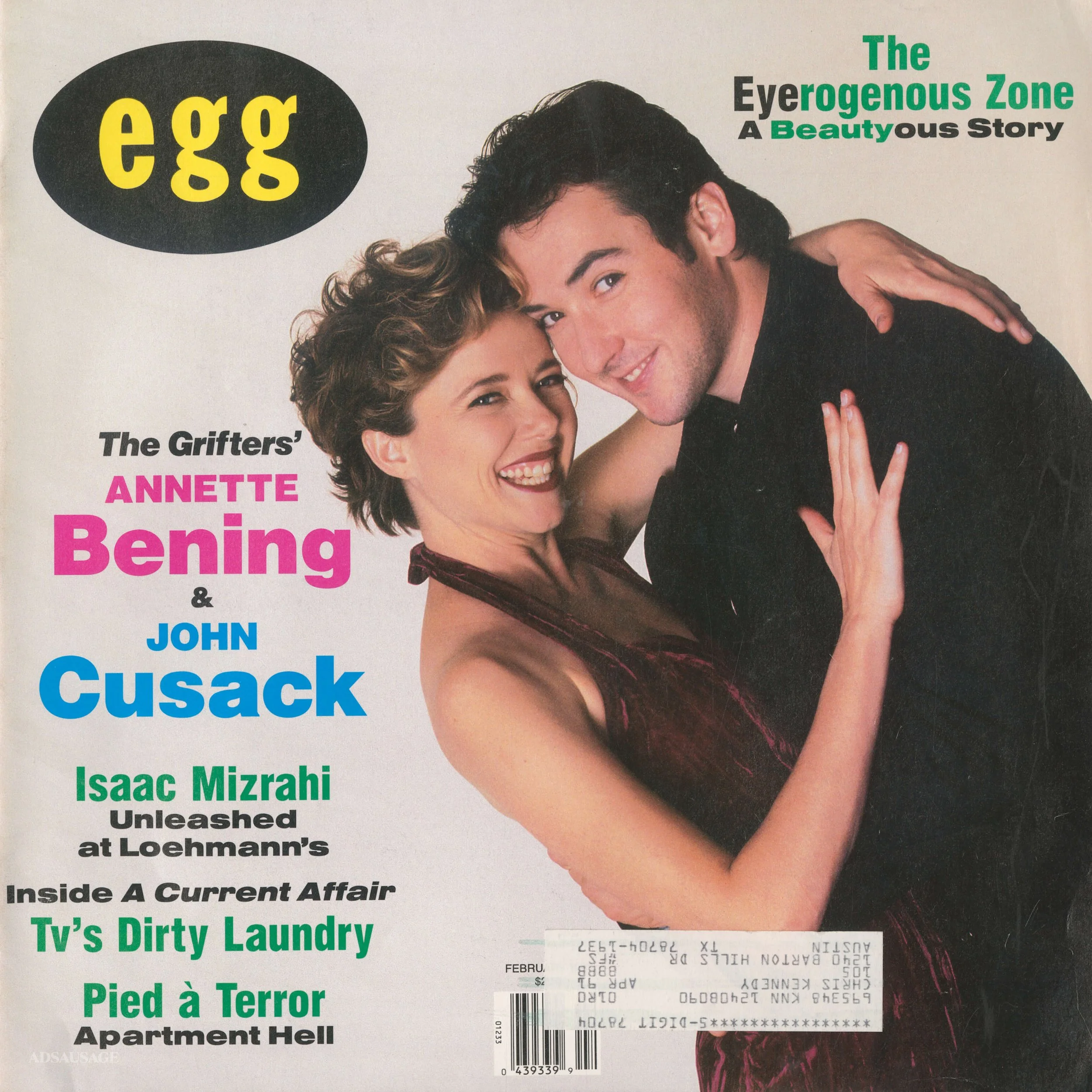
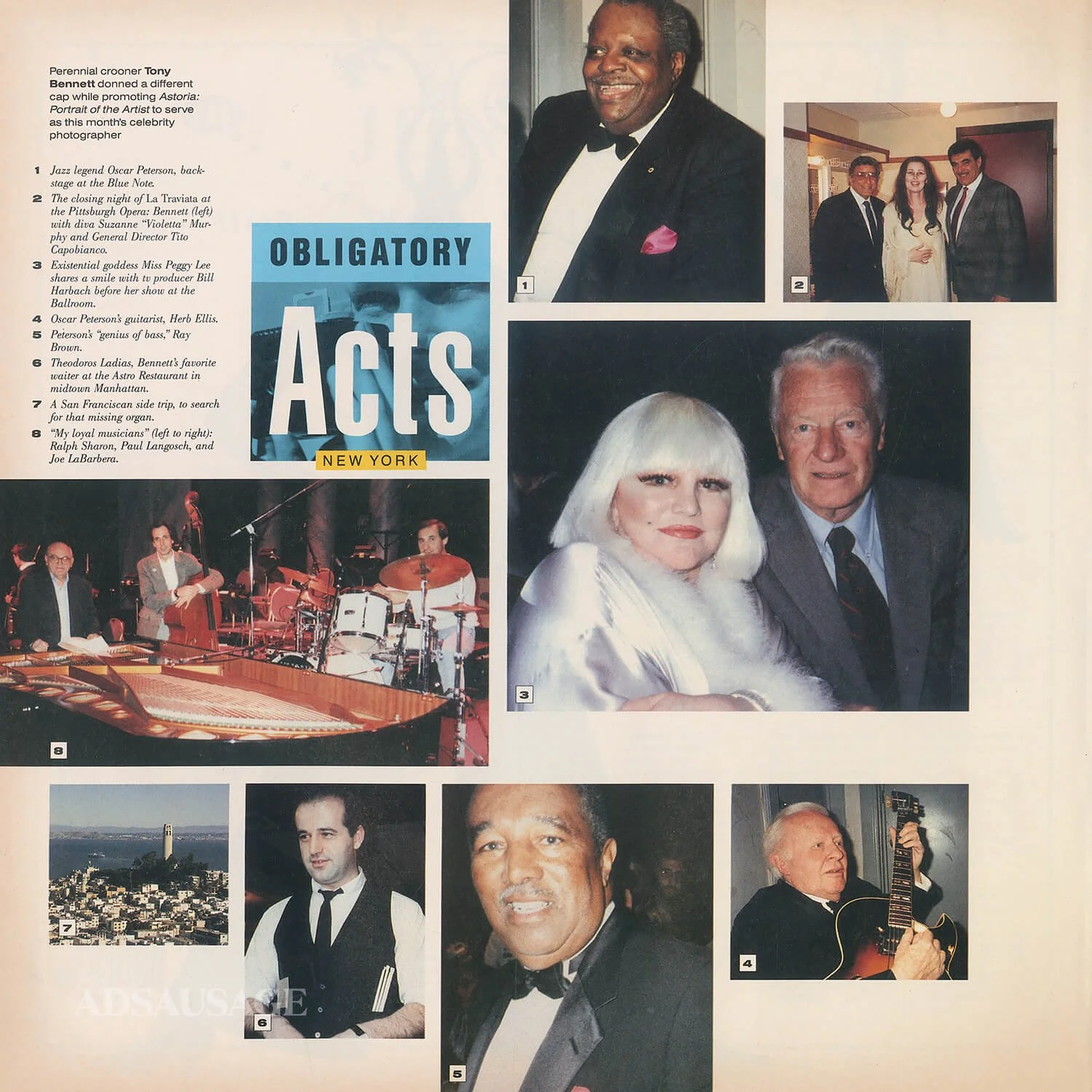
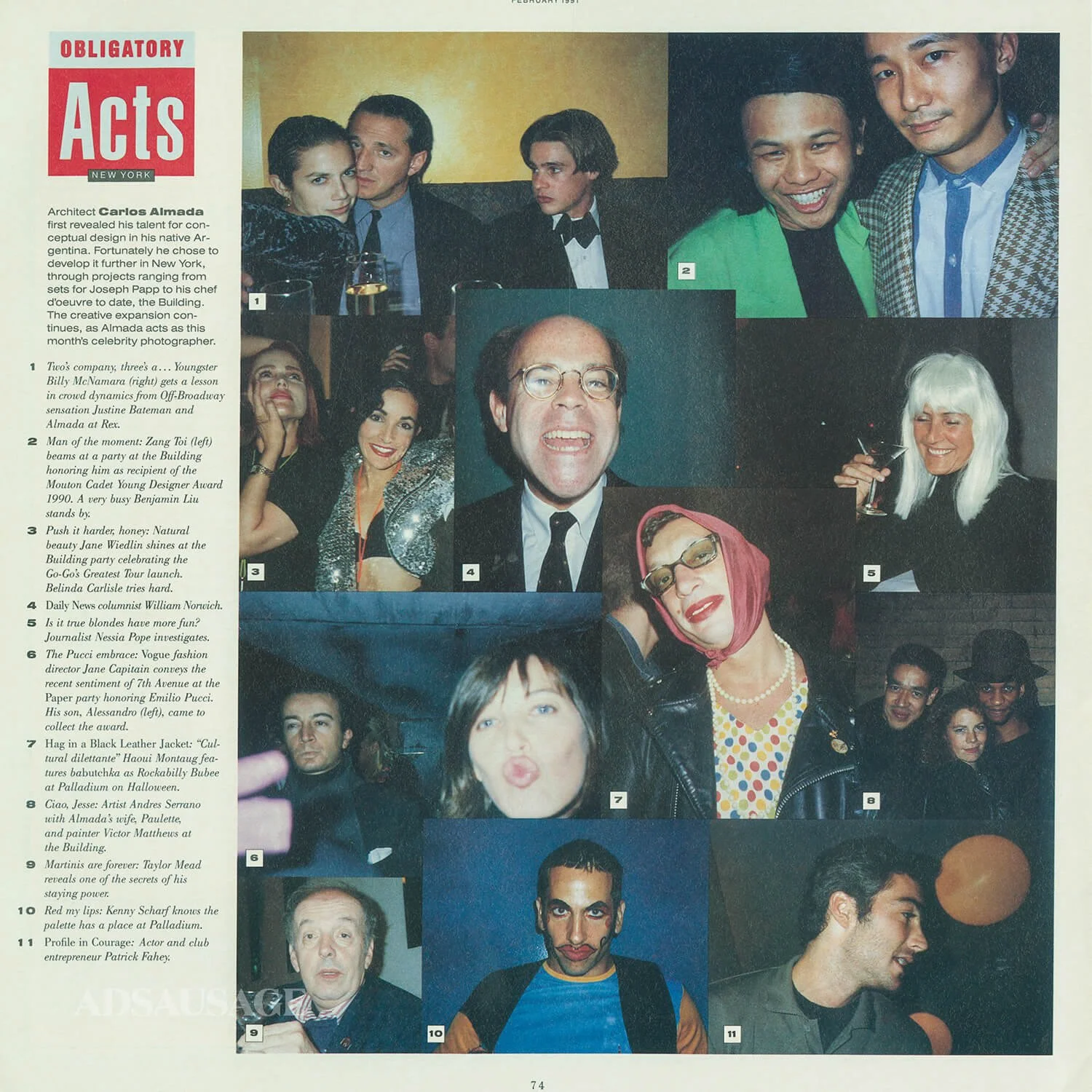
A publication that could best be summed up as fleeting, the Egg was described by Spy magazine as "targeted at a readership of free-spending urban insomniacs."
Announced in mid-1989, the square-shaped title from Malcolm Forbes chronicled New York nightlife and launched in early 1990 (soon after the death of its wealthy publisher). Forbes' son Timothy and Hal Rubinstein, as editor, oversaw the quadrilateral-shaped magazine for nightcrawlers.
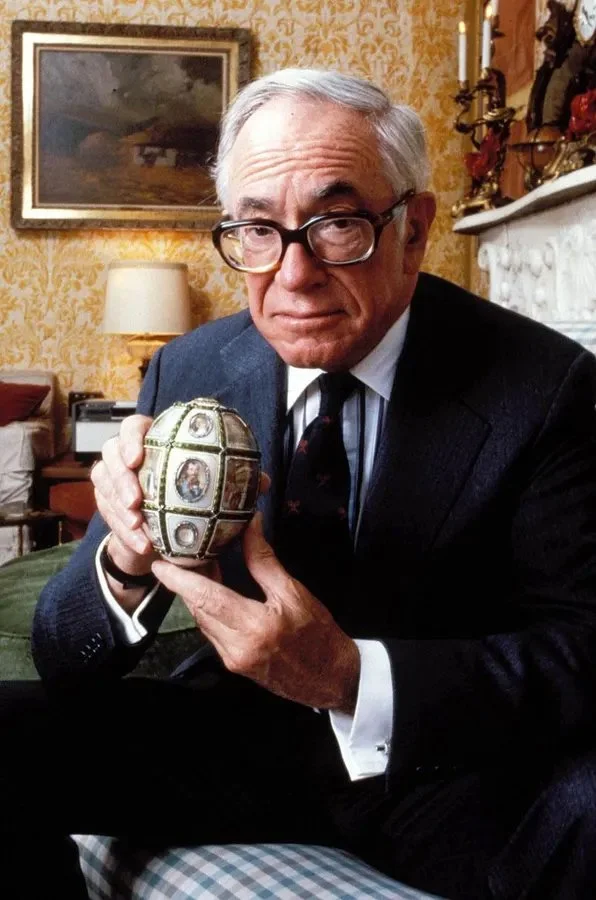
Regarding his latest creation, Forbes remarked, "Symbolically, the egg is the source of everything new." The bard of business added, "Psychologically, you can never be sure what's inside an egg. You have to open it. It might be a Fabergé egg."
Whatever protein lurked in the pages, the Egg hoped to compete alongside Rolling Stone, L.A. Style, Spin, GQ, and Andy Warhol's Interview (which the Babe Ruth of business tried unsuccessfully to purchase for a reported $18M).
With much fanfare, the newsstand nutrient launched with a circulation of approximately 40,000 and a robust number of ad pages. One review called the premiere issue "A bit overcooked."
Reporting on the magazine's hasty demise, the culinary quips in the press were put to good use: "Scrambled Egg," "the cracking of the Egg," and "fried before it ever had a chance to soufflé.”, were the top contenders.
Executives cited "the deteriorating economic climate," and the Egg spoiled within a year. However, Boston-based P.O.V. briefly revived the bi-coastal magazine in 1997. Founded by Drew Massey in 1995, P.O.V. folded in 2000.














WigWag Magazine
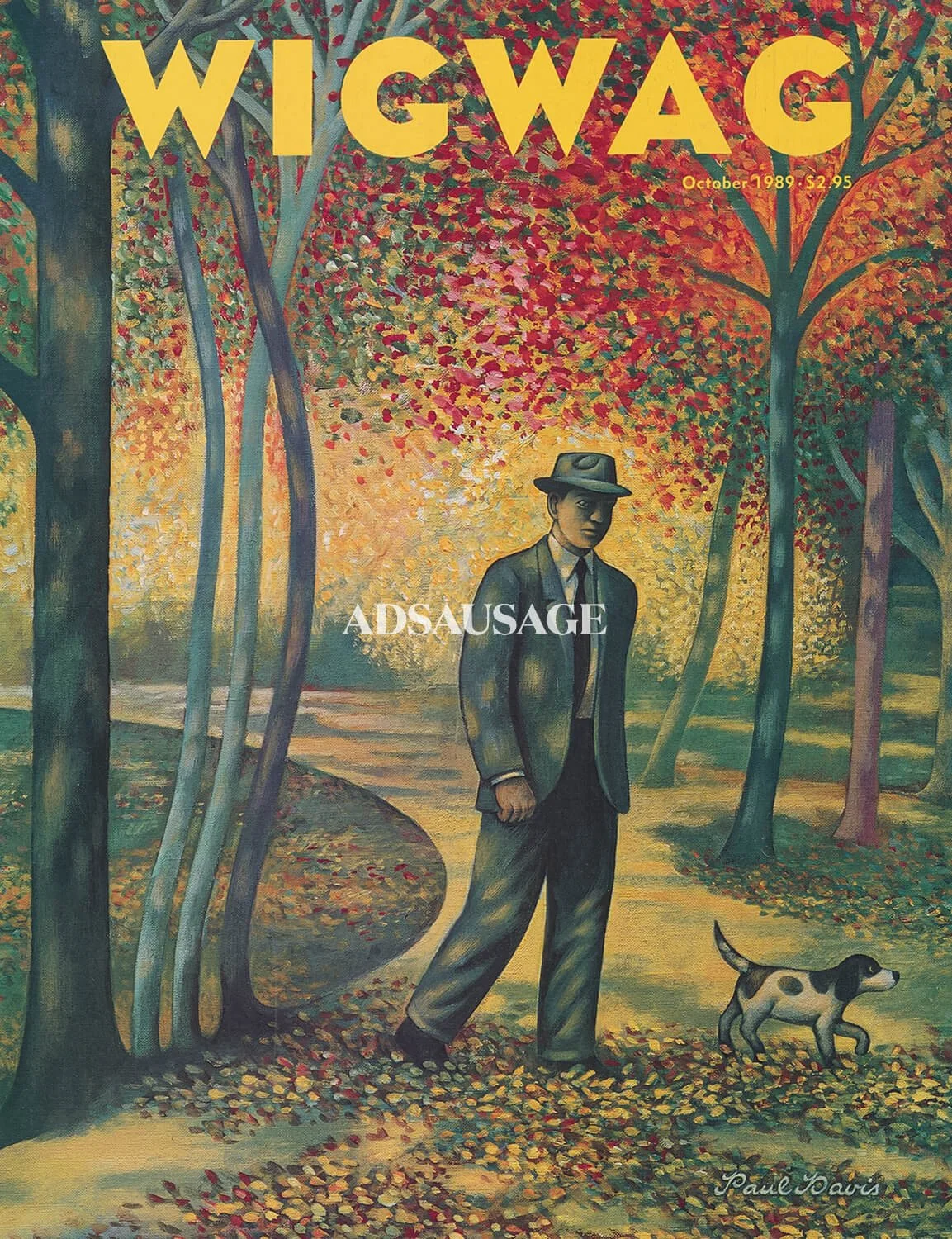
In an era where opulence was considered out, soft-spoken Wigwag magazine arrived in late 1989 (following a test issue a year earlier).
Designed to celebrate everyday life, Wigwag was the brainchild of former Yale Law School student Alexander Kaplen. The New Jersey resident joined the New Yorker as a fact-checker in 1982.
Assisting Kaplen were editor and co-founder, Nancy Holyoke, and publisher Samuel Schulman (formerly with the New England Monthly).
The magazine about "hometowns all across America" explained its editorial policy, saying it won't "engage in celebrity worship, long-winded examinations of esoteric subjects, meanness for its own sake..."
Early reviews were positive.
With a dollop of the New Yorker's sophistication, a dash of Spy's unpredictability, and a spritz of water from Lake Wobegon, Wigwag wants to be, and may well be, the magazine that defines the 1990s.- Bob Sipchen, Los Angeles Times.
Despite critical acclaim, and circulation peaking around 200,000, the publication suffered financial losses (one figure listed $3M), faced reluctant advertisers, and saw unwilling investors deal with their troubles.
The magazine ceased publication in early 1991, joining a host of other titles that succumbed to the downturn in the economy: Seven Days, Taxi, Savvy Woman, Psychology Today, and the Yale Review. Even two formidable favorites experienced hardship; National Lampoon had been losing money and readers, while E. Graydon Carter's Spy magazine sold a controlling interest to European investors.
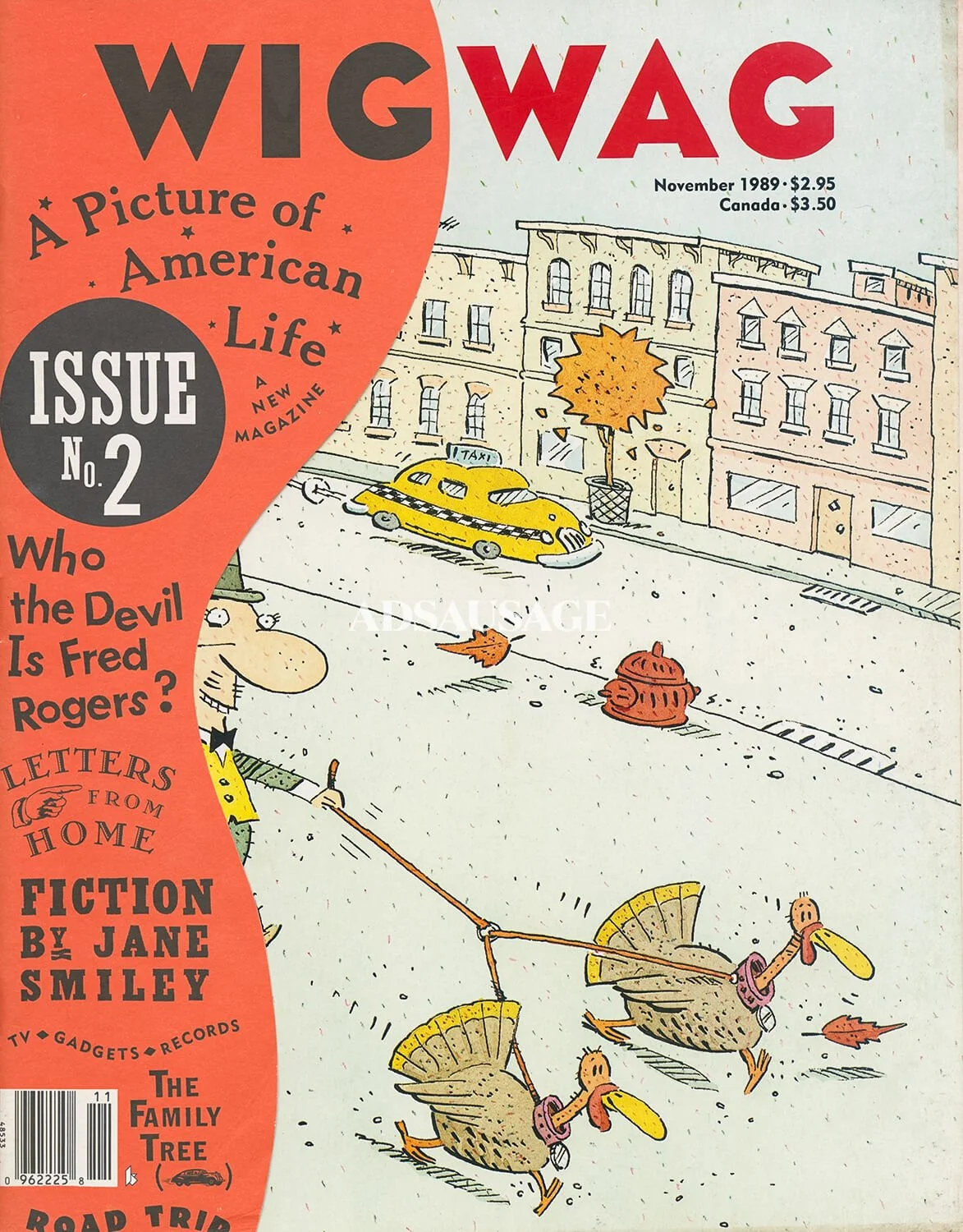
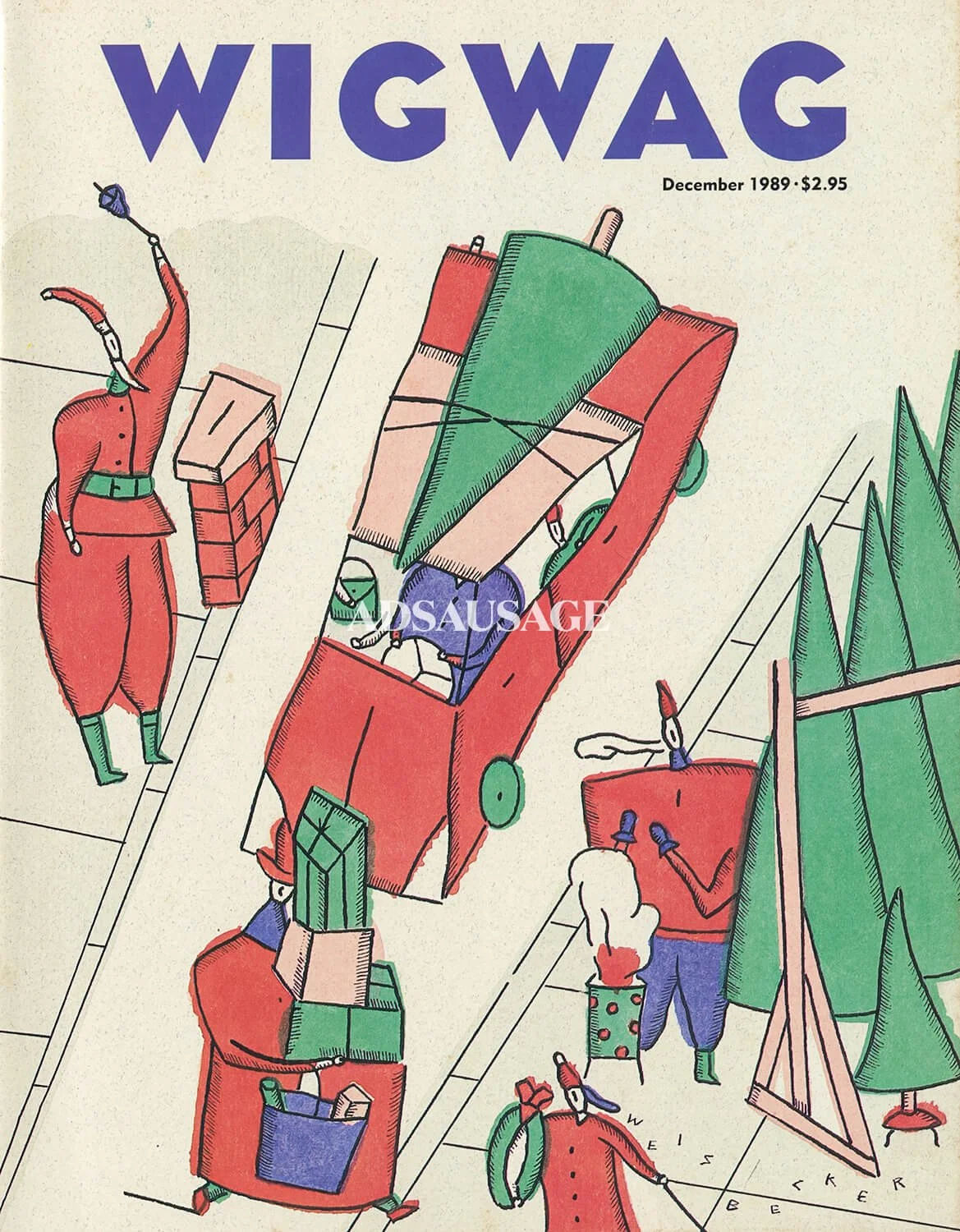
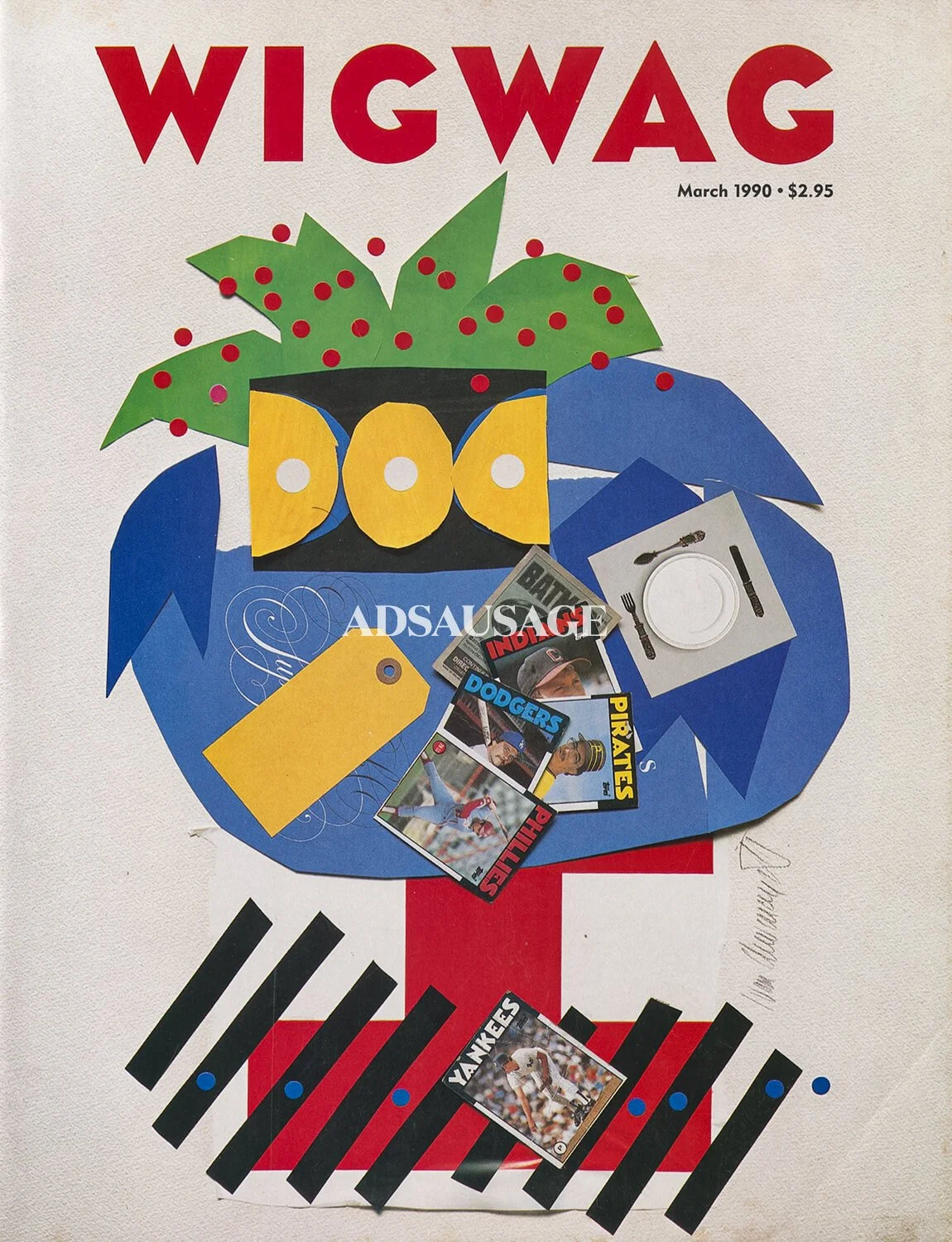
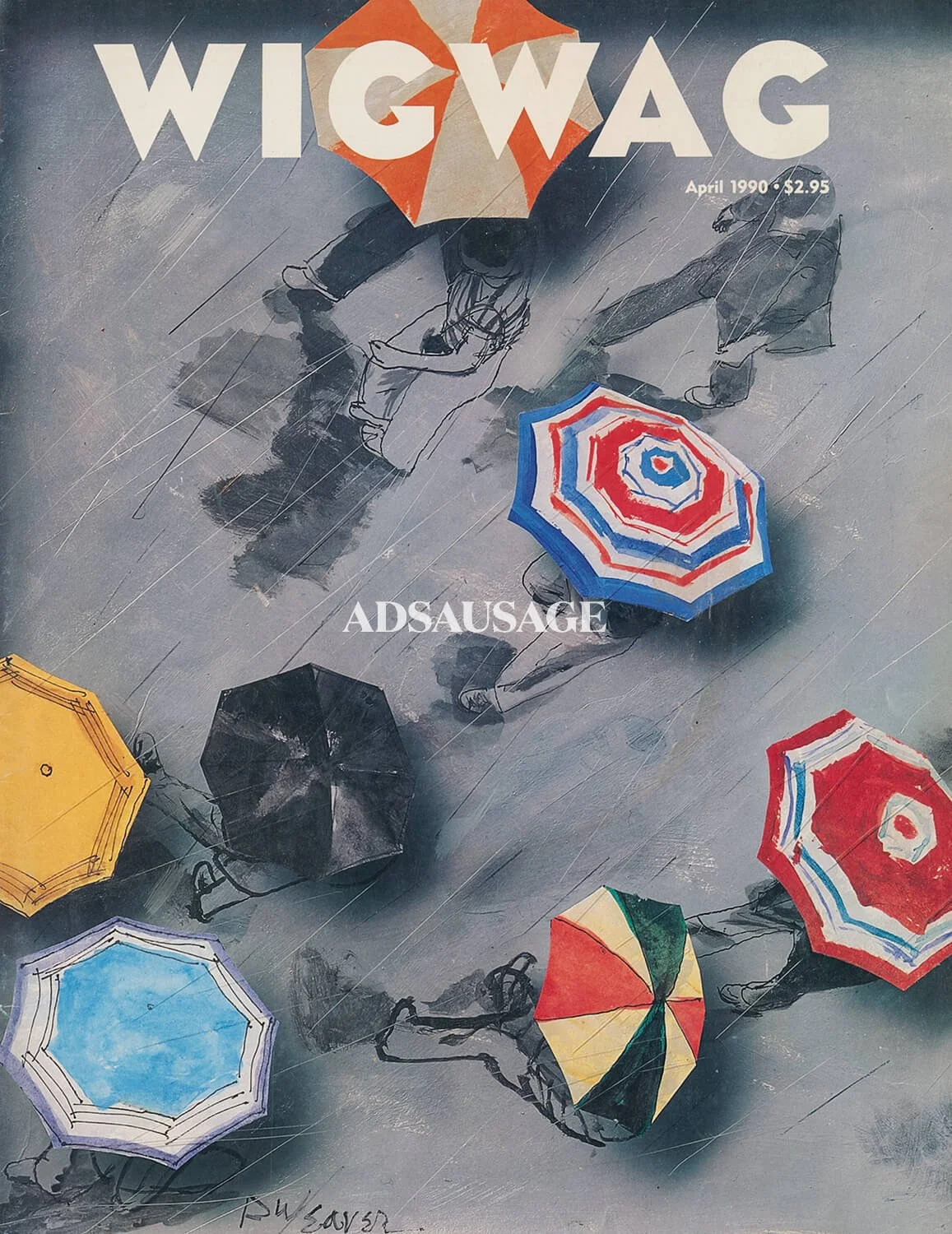
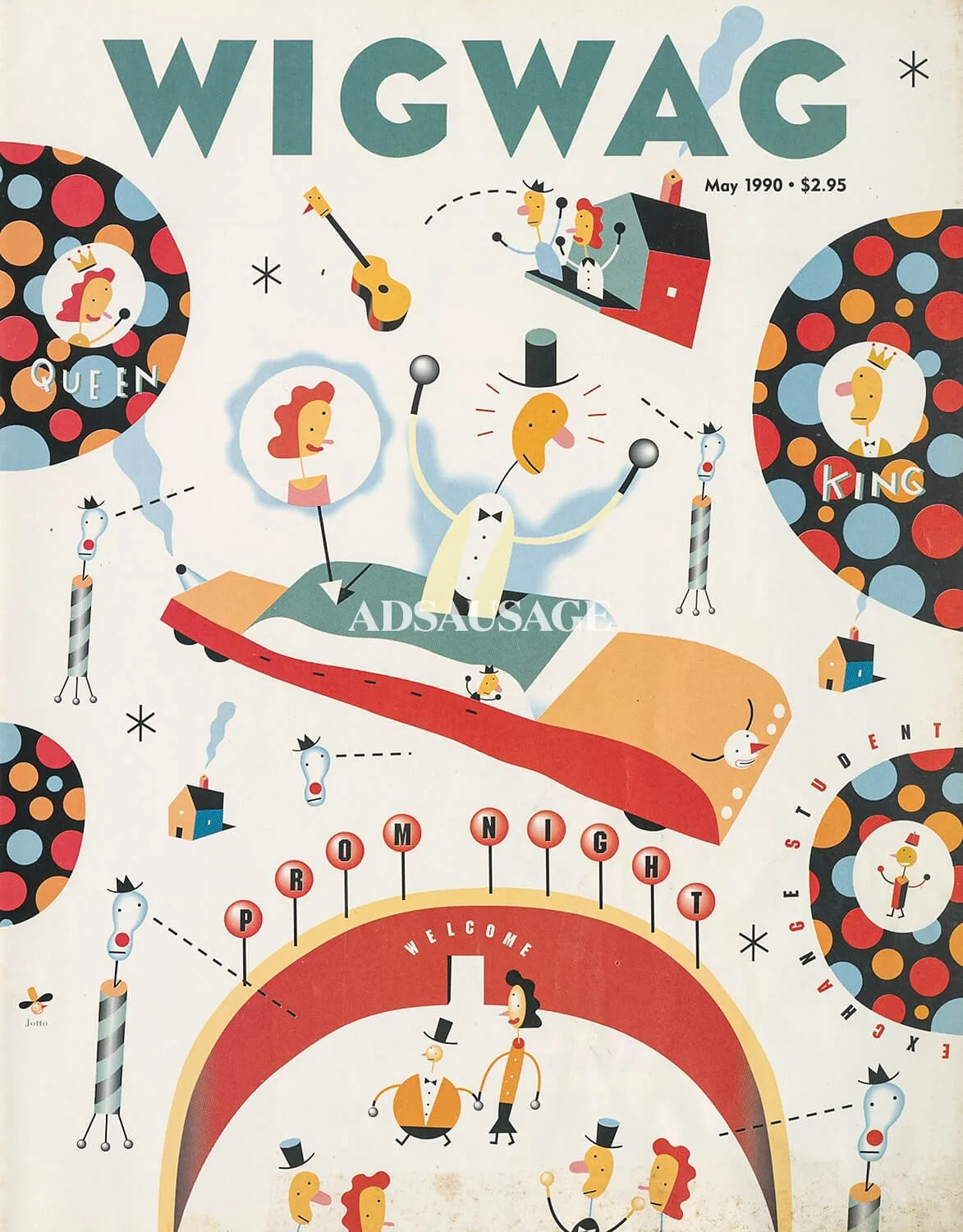
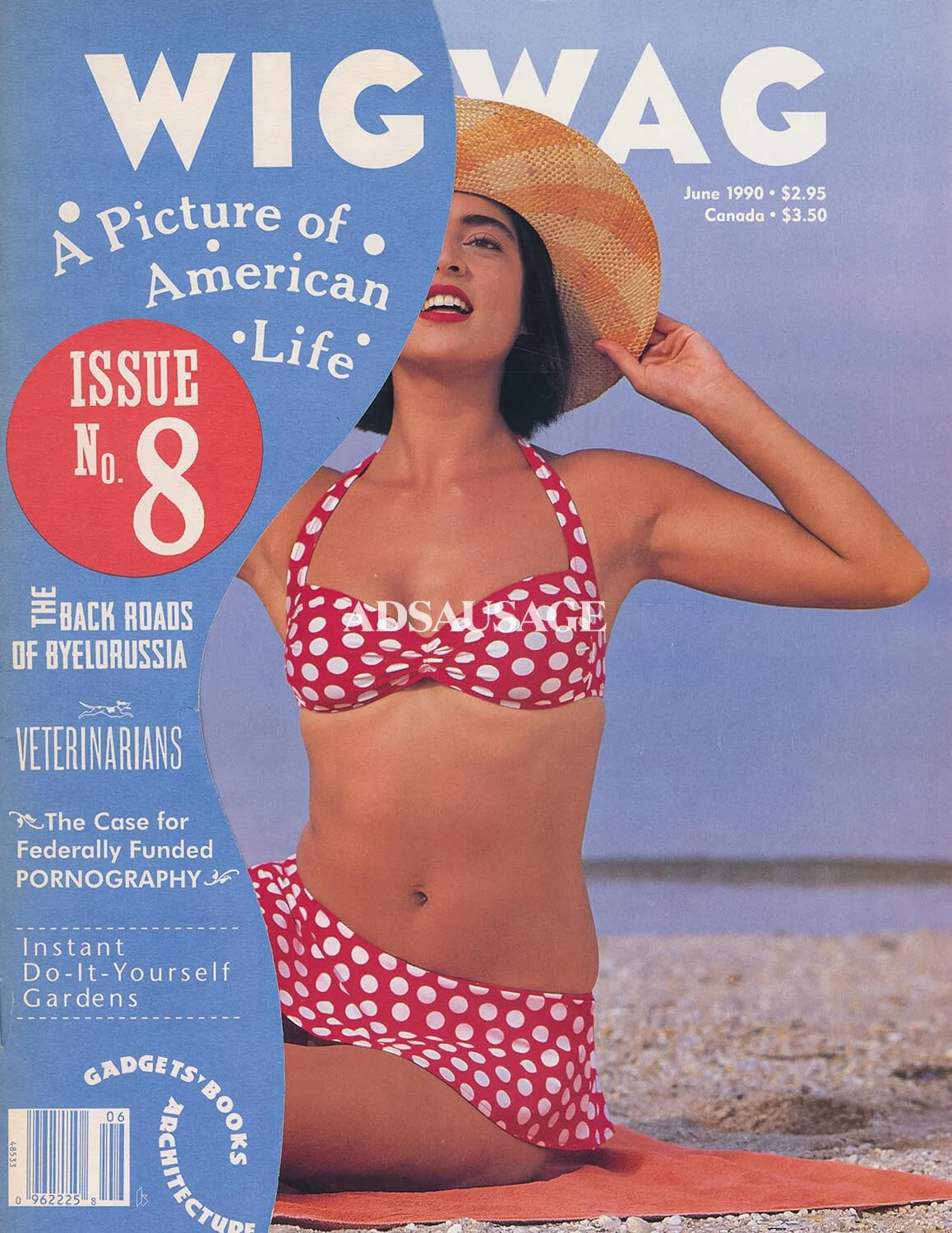
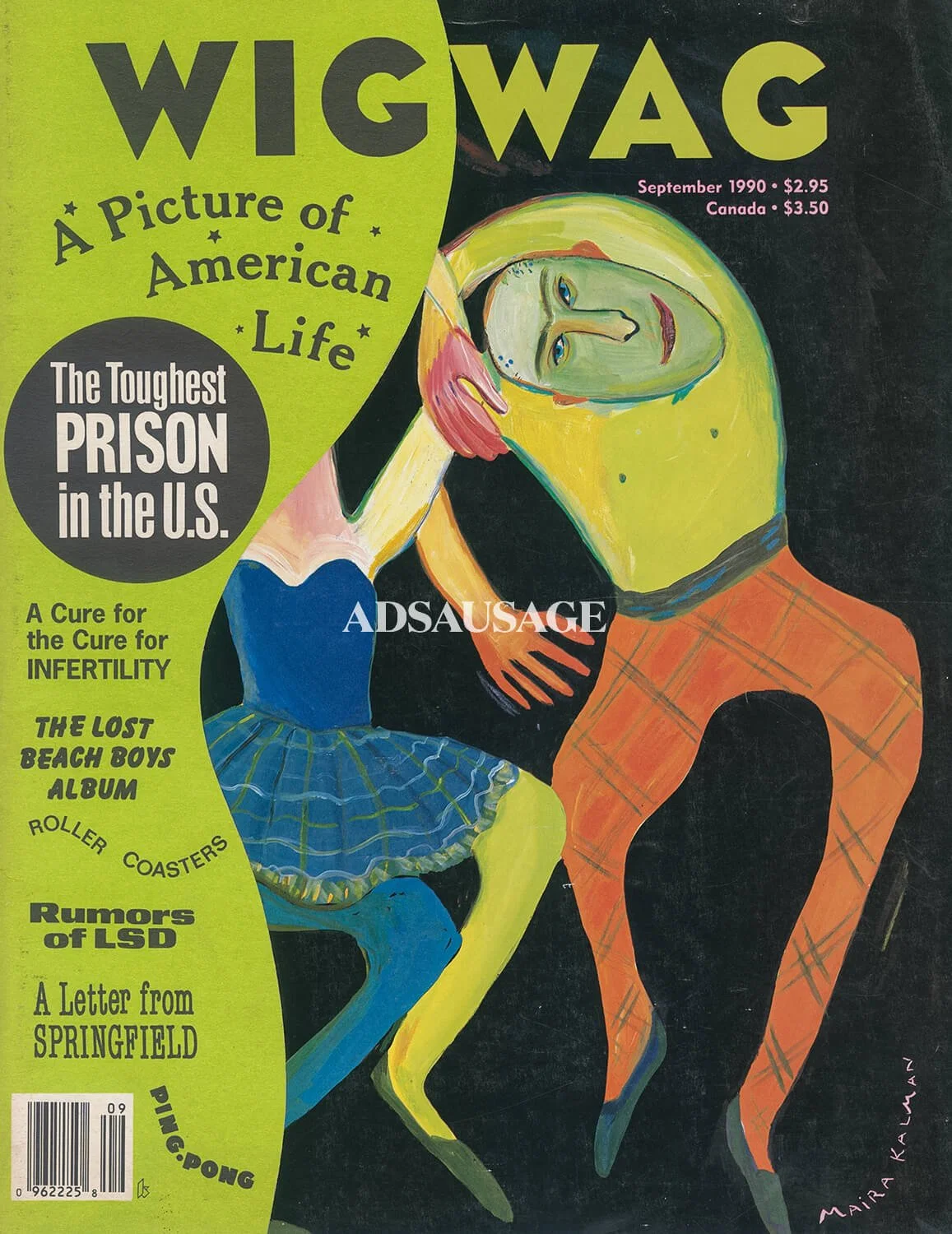
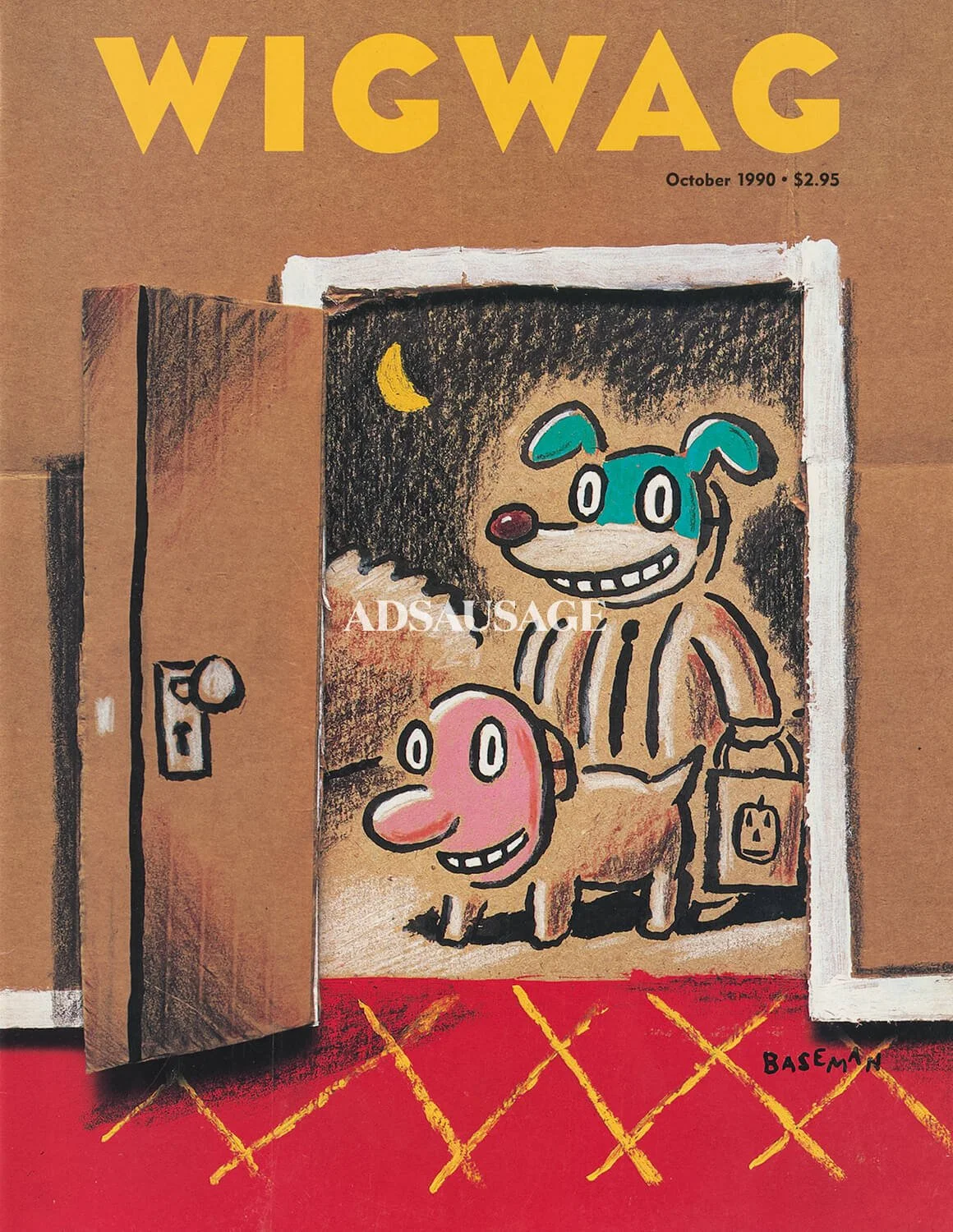
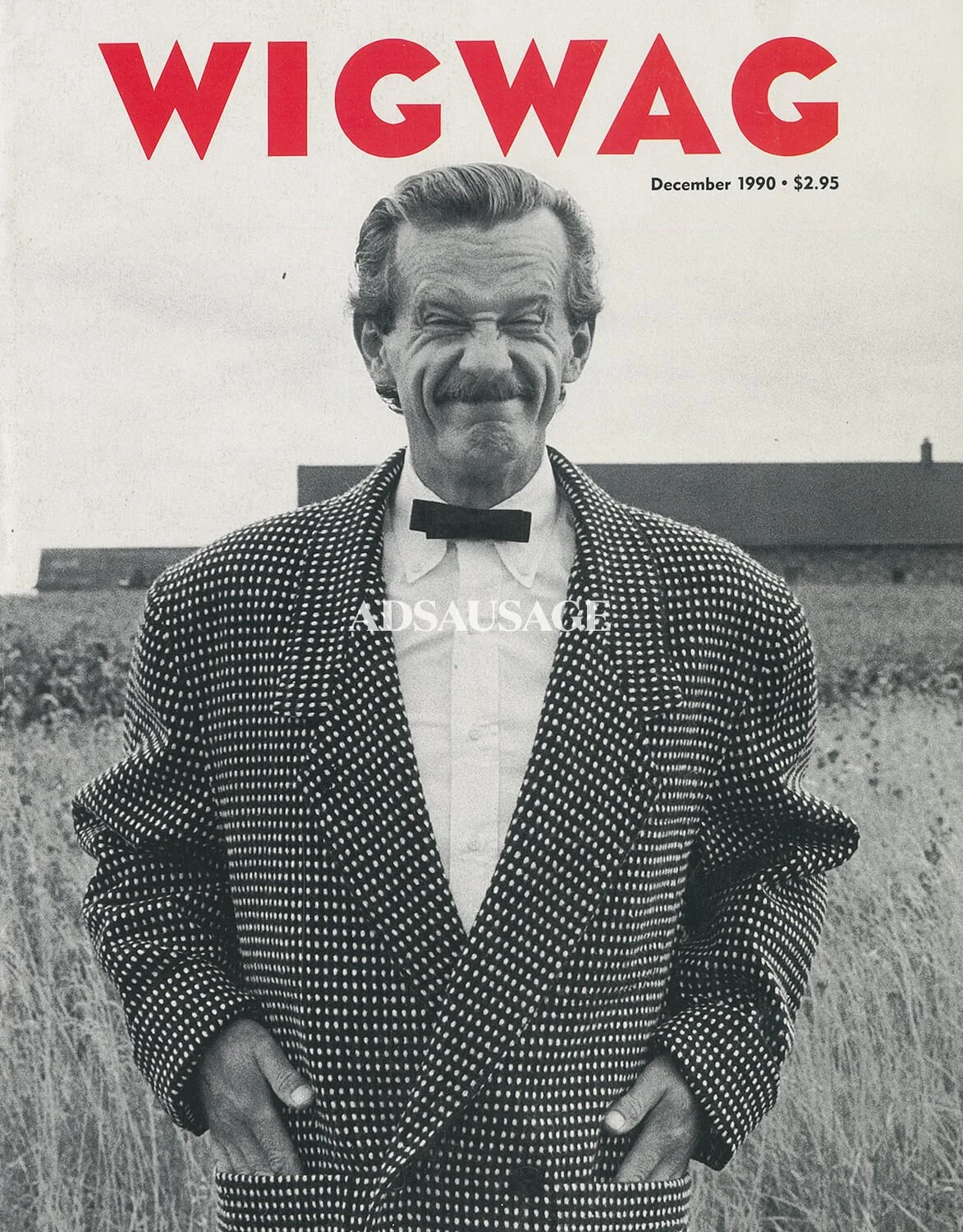
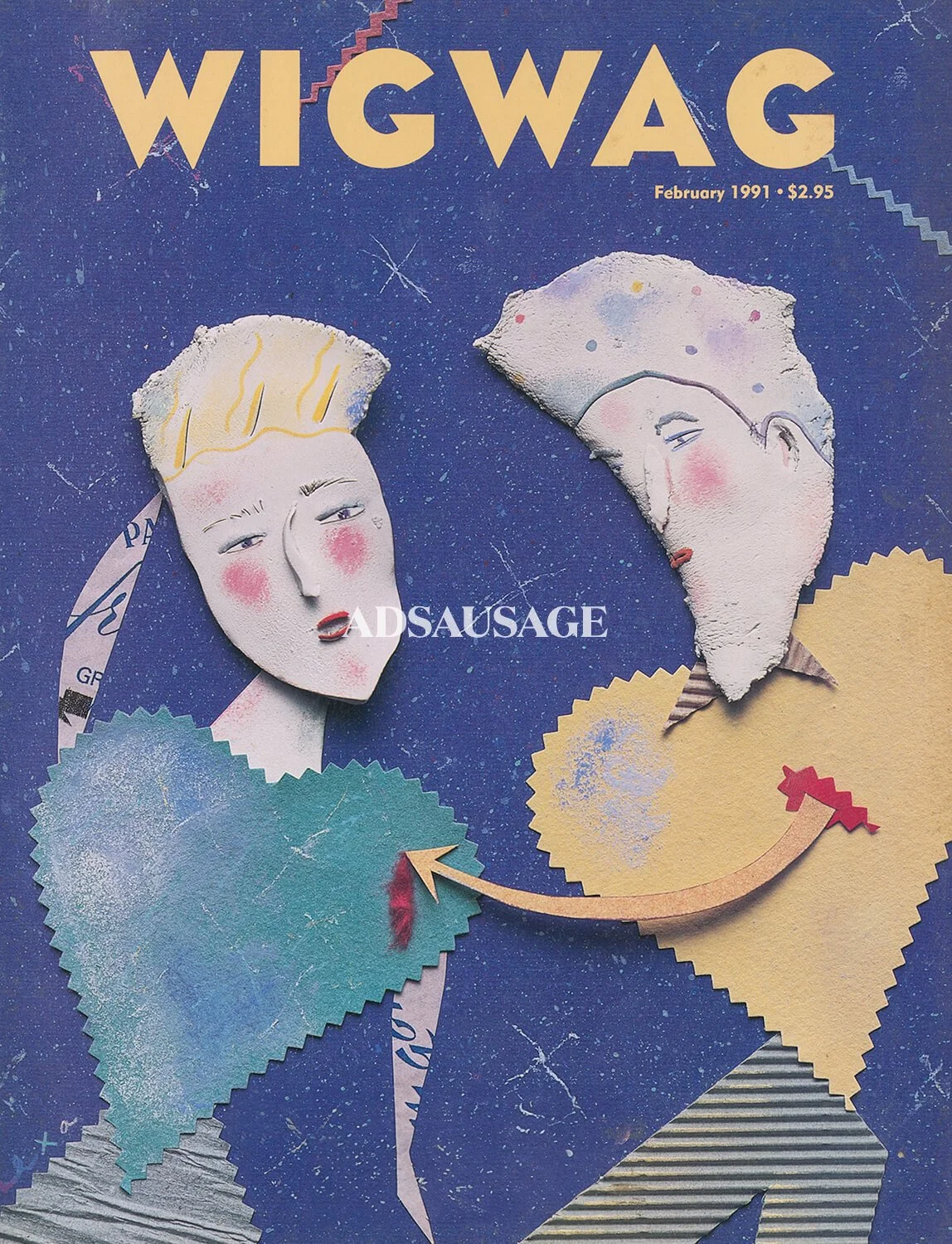
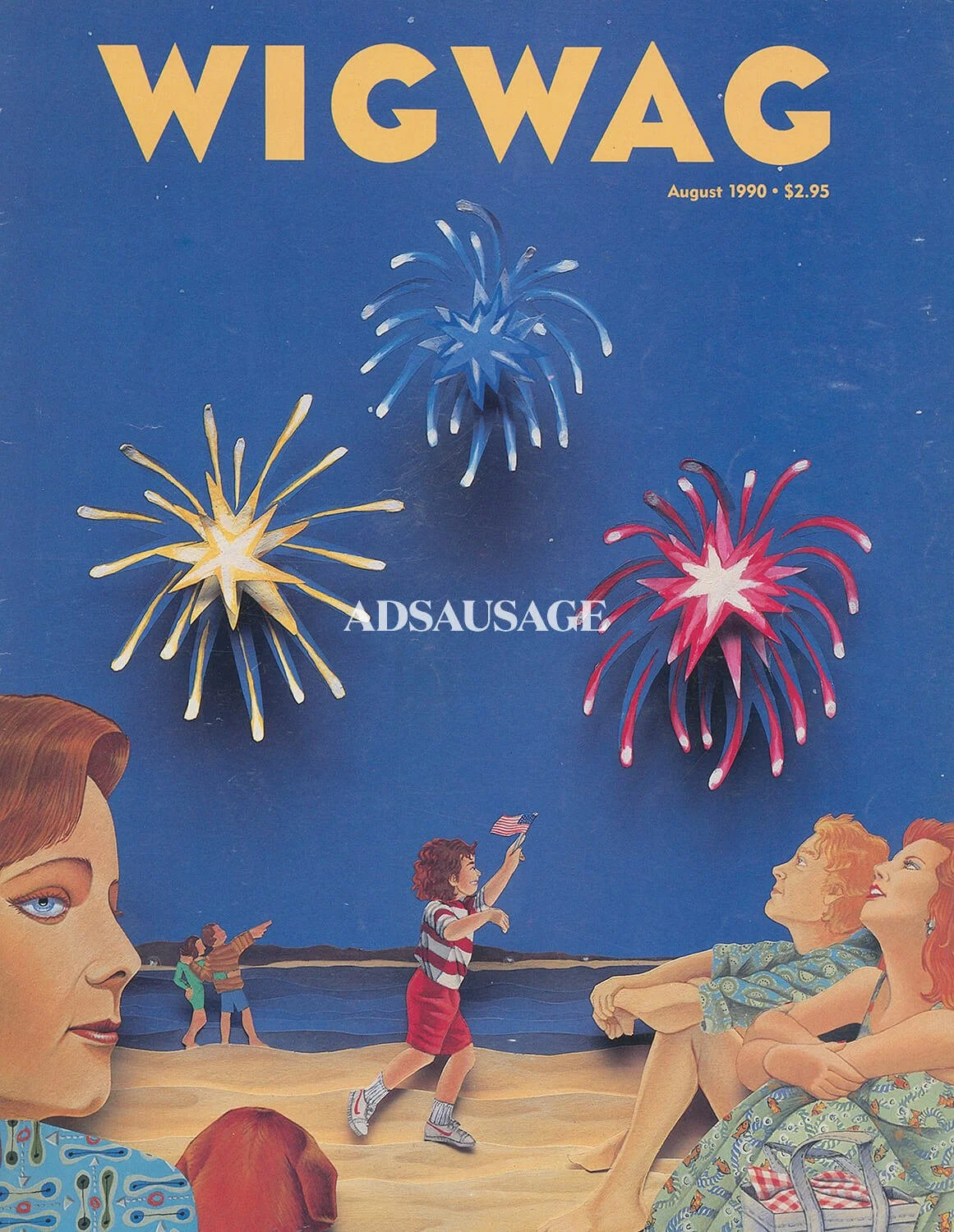
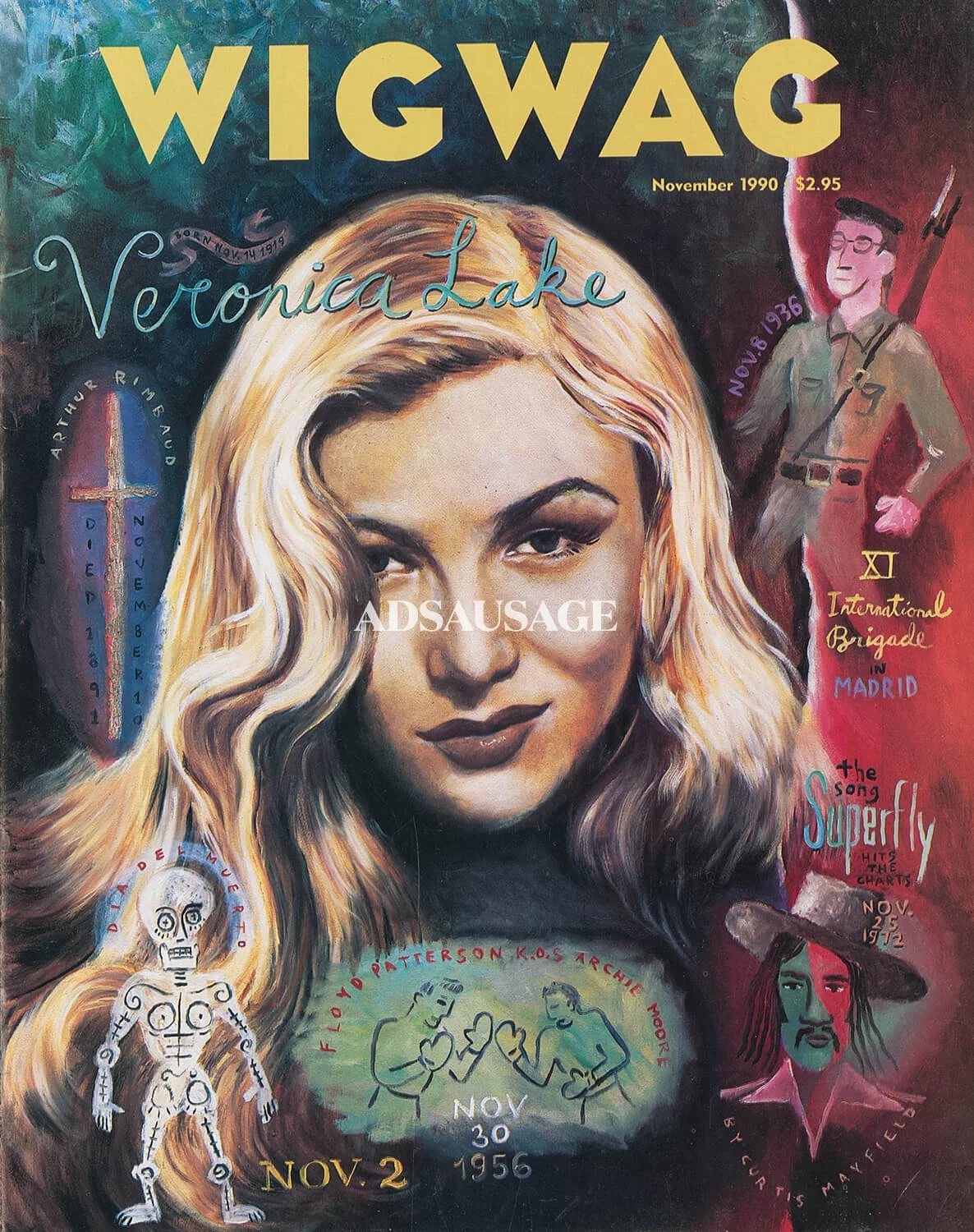
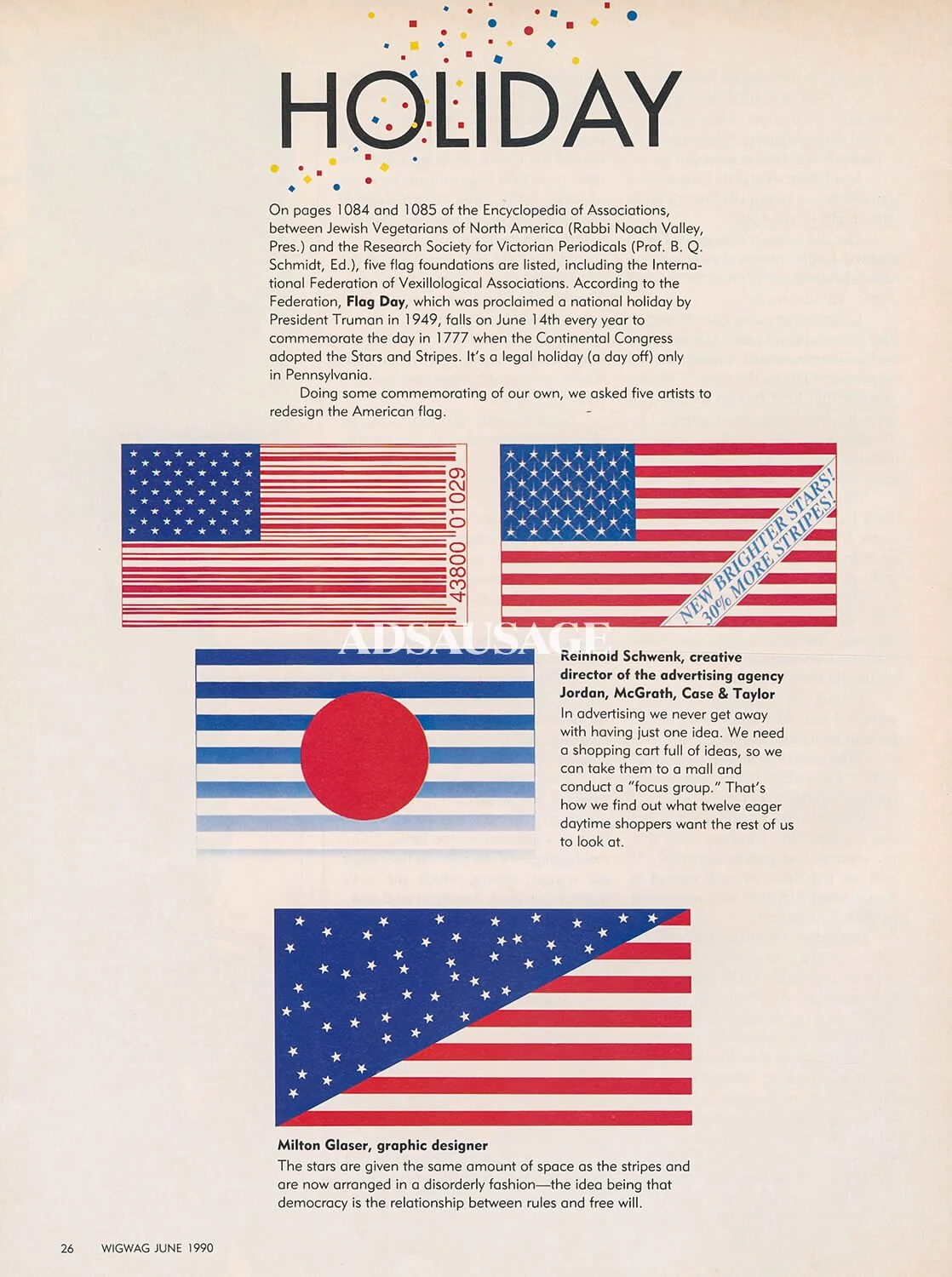
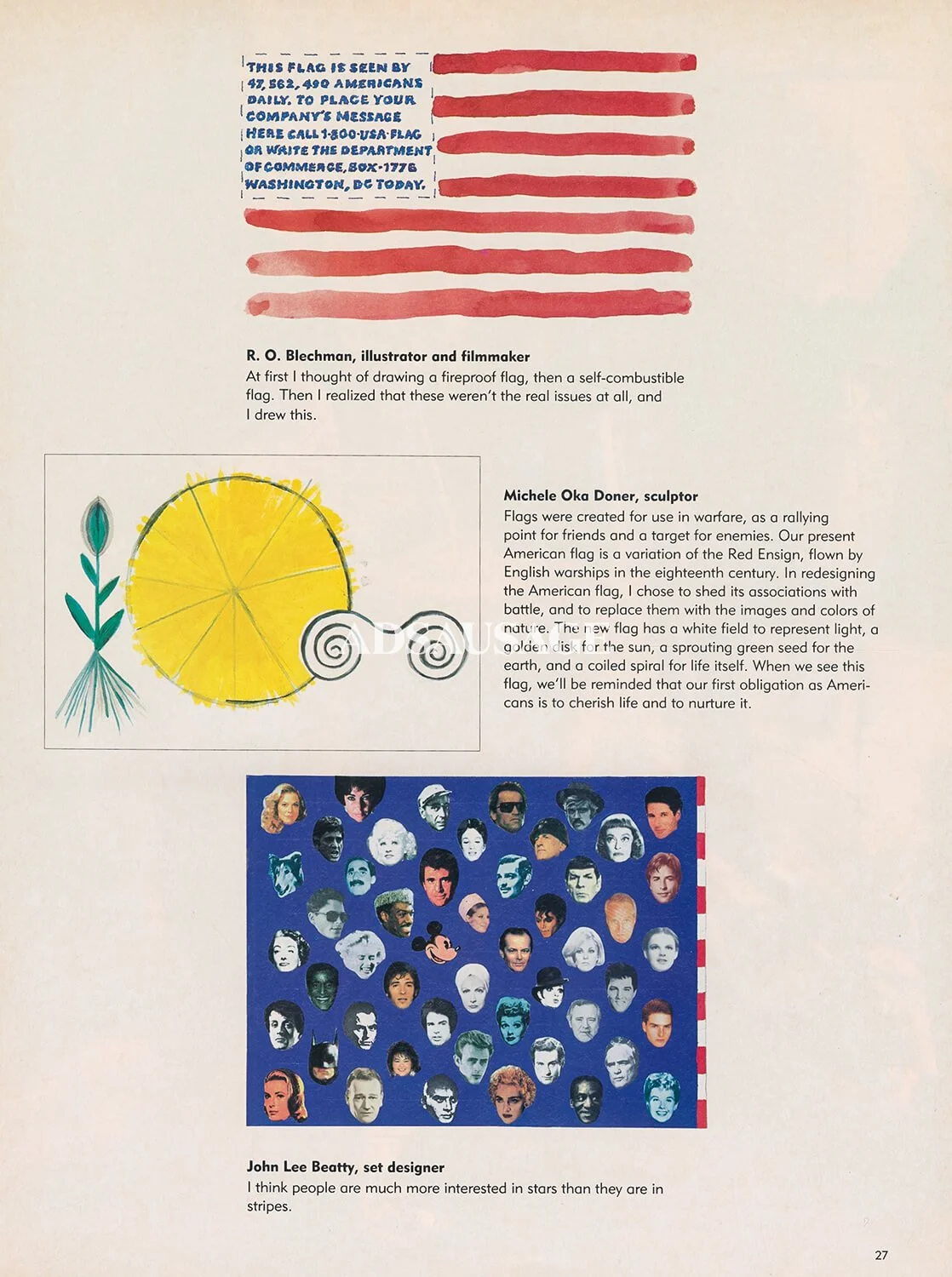
Formerly with the New Yorker, Wigwag's managing editor, Nancy Holyoke landed at American Girl magazine in 1992. Co-founder Alexander E. Schulman was associated with several titles, including In Character, Commentary Magazine, and The American.
Alexander Kaplen moved on to charitable causes, notably with the New York Philharmonic, and passed away in 2015.
LA Style

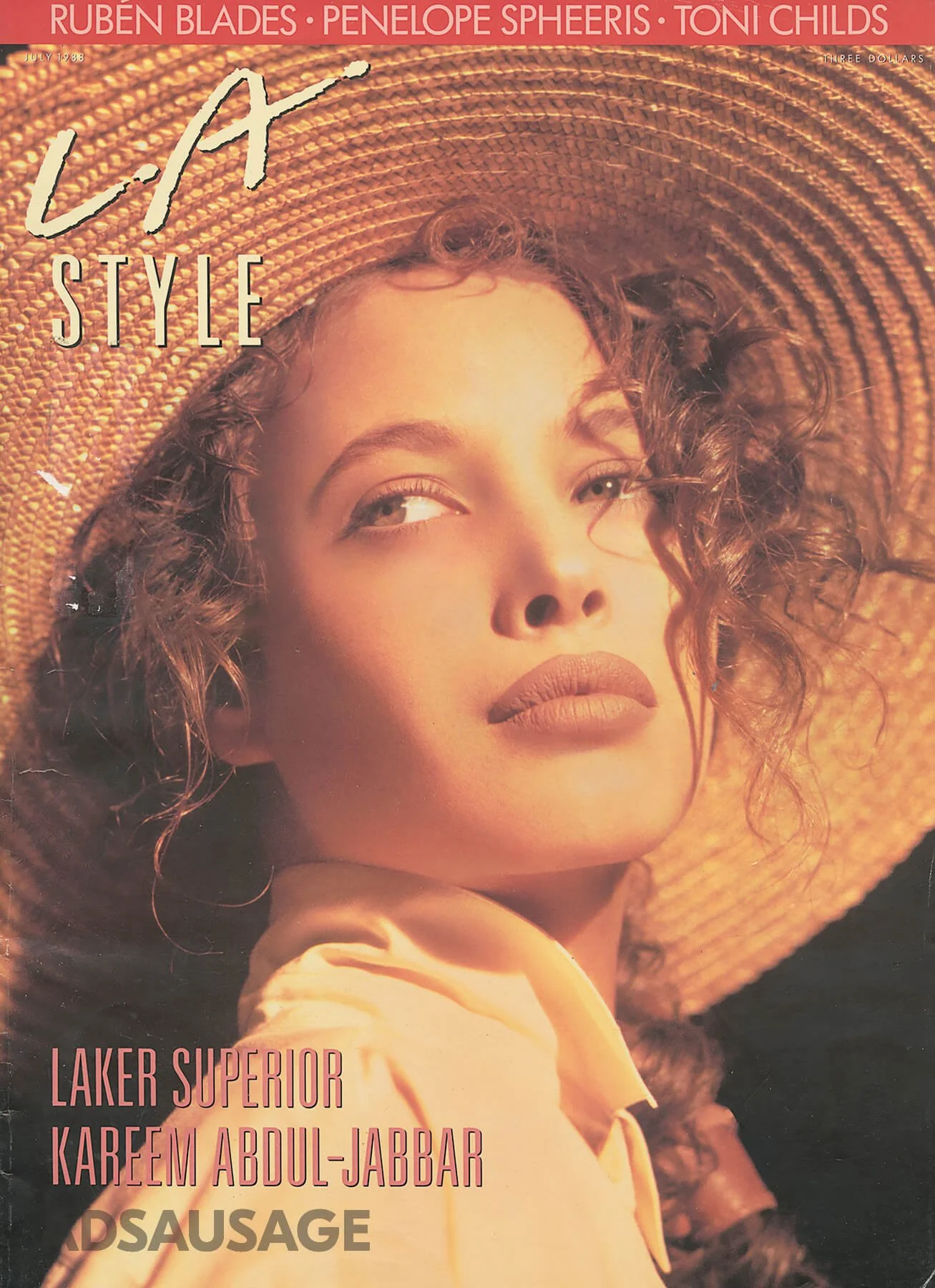
Along with philanthropist and music manager Pete Kameron (co-founder of L.A. Weekly), editor and publisher Joie Davidow launched L.A. Style Magazine in 1985. The new magazine that celebrates Los Angeles, LA Weekly's sister publication, was bestowed with five awards from the Western Publications Association in 1987, including Best City and Metropolitan Magazine.
The following year, American Express Publishing paid roughly $4M to purchase L.A. Style, which was added to their roster of titles, including Travel & Leisure, Food & Wine, D Magazine, and New York Woman — the last two folding in 1992 and 1993. With the sale complete, American Express looked to double circulation of L.A. Style, then at 50,000.
After Davidow departed, Buzz magazine acquired the assets from American Express. The celebrated L.A. Style folded for good soon after. Founder Joie Davidow focused on the Latino market, launching Sí Magazine in 1995. After that magazine folded, Davidow wrote several novels.
My thanks to Degen Pener for kindly donating a number of issues.




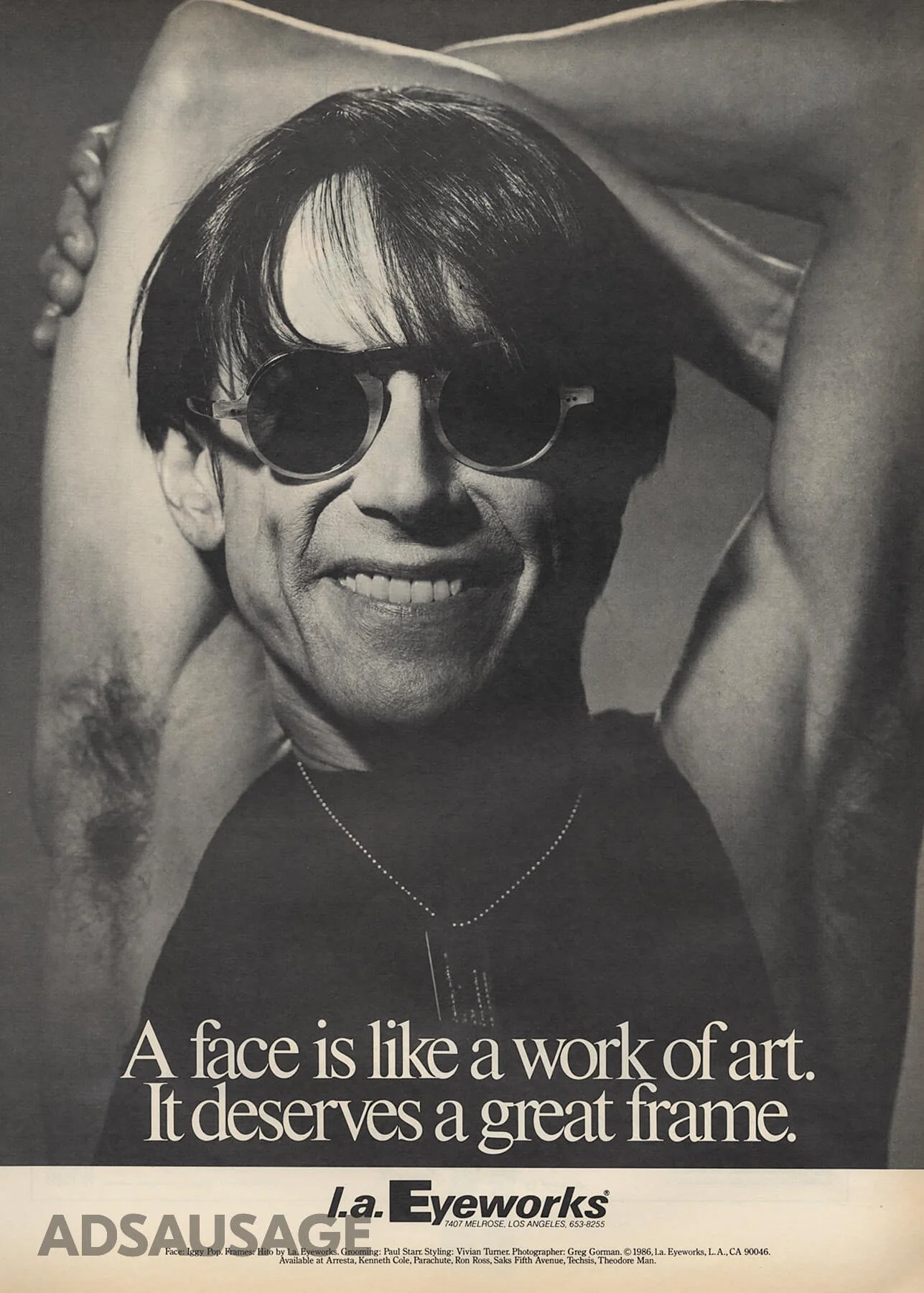


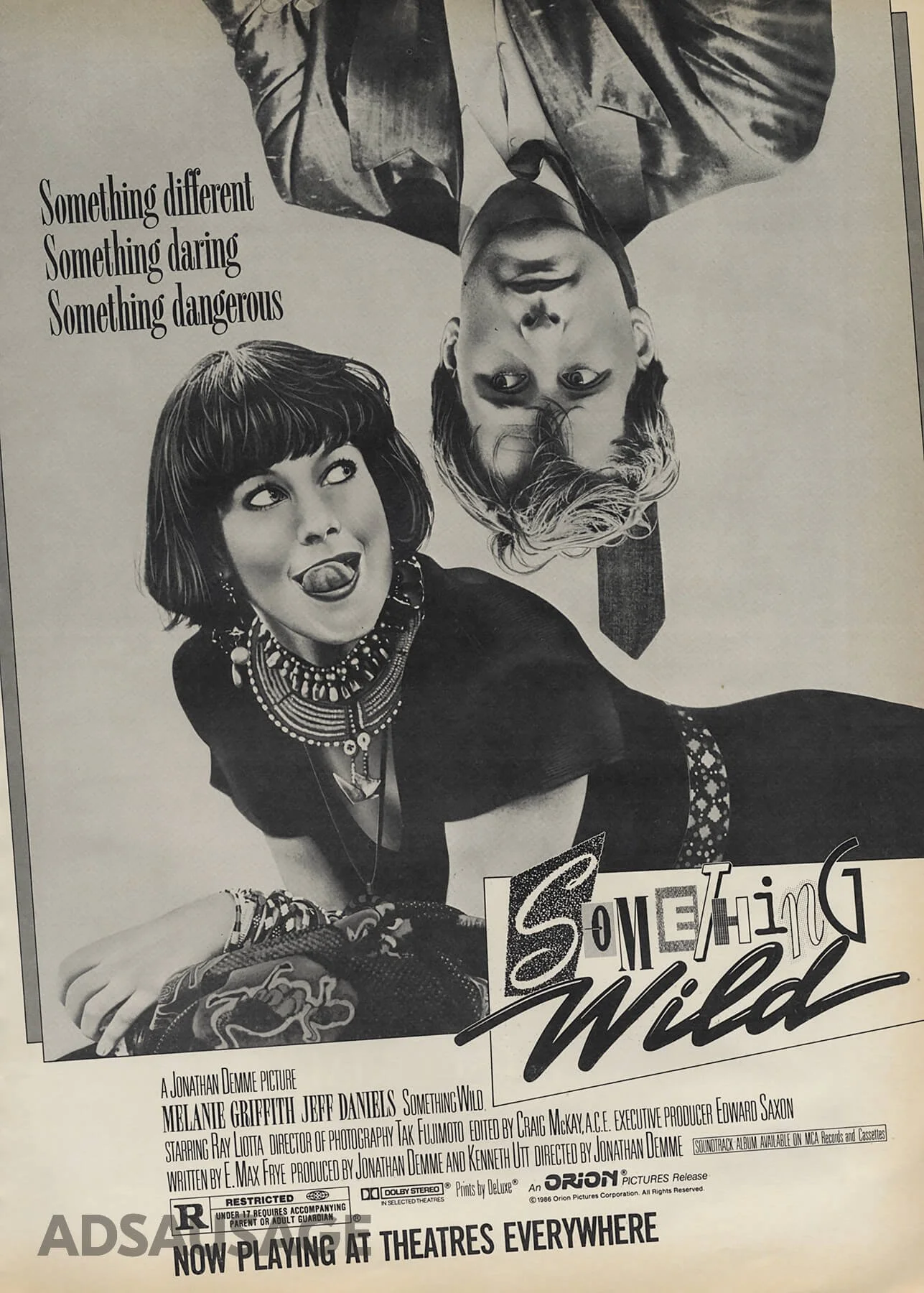


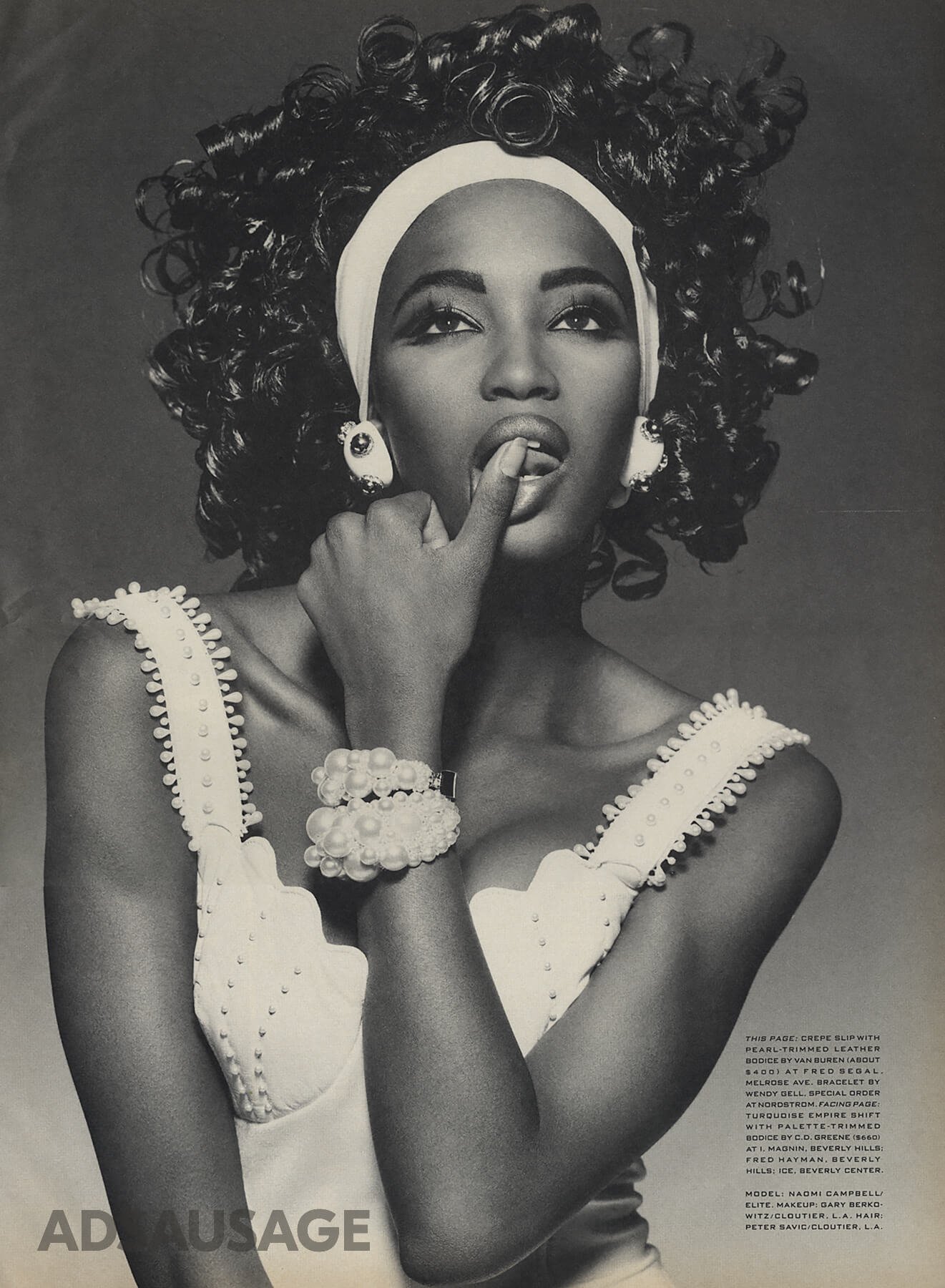


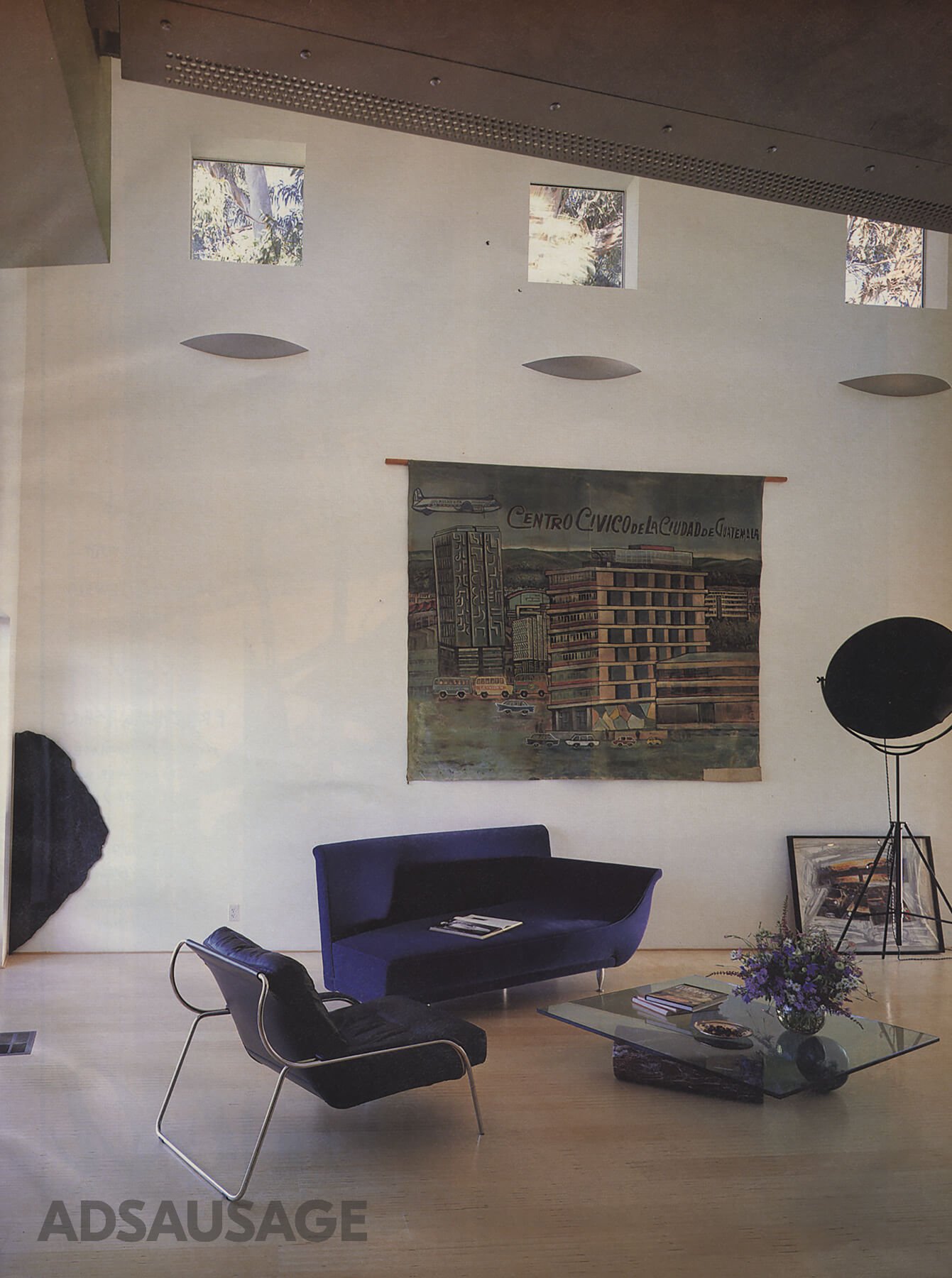

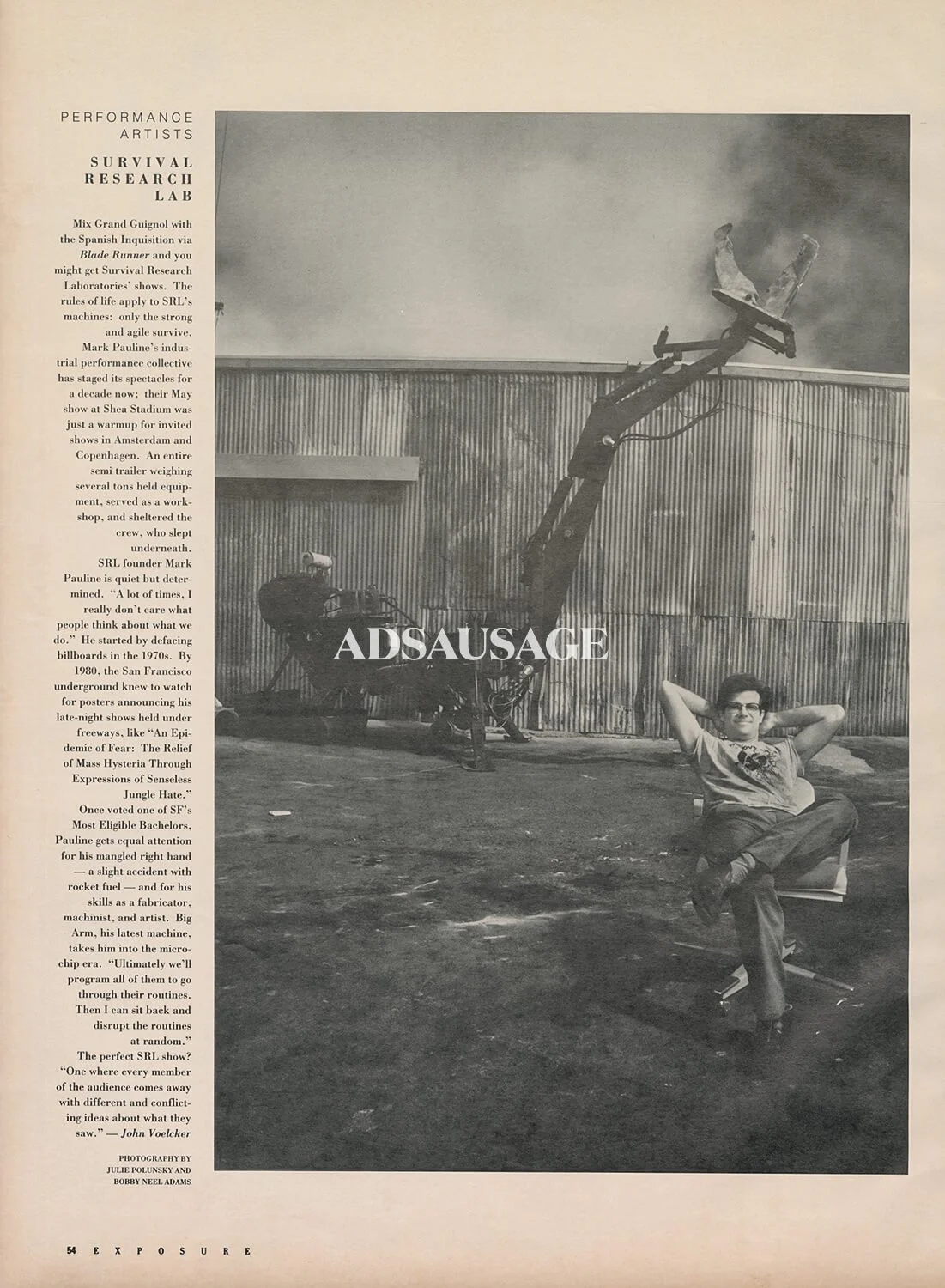
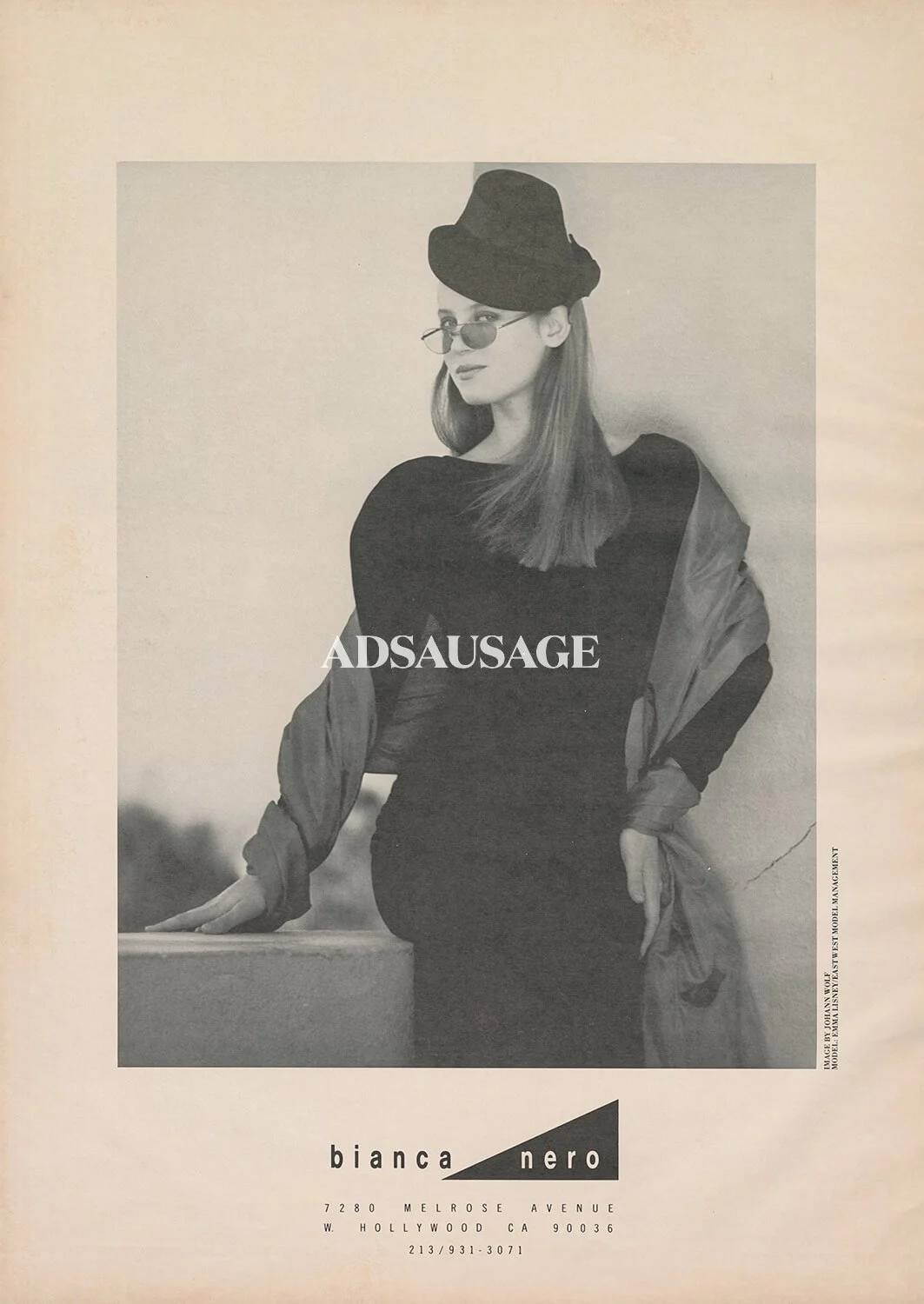
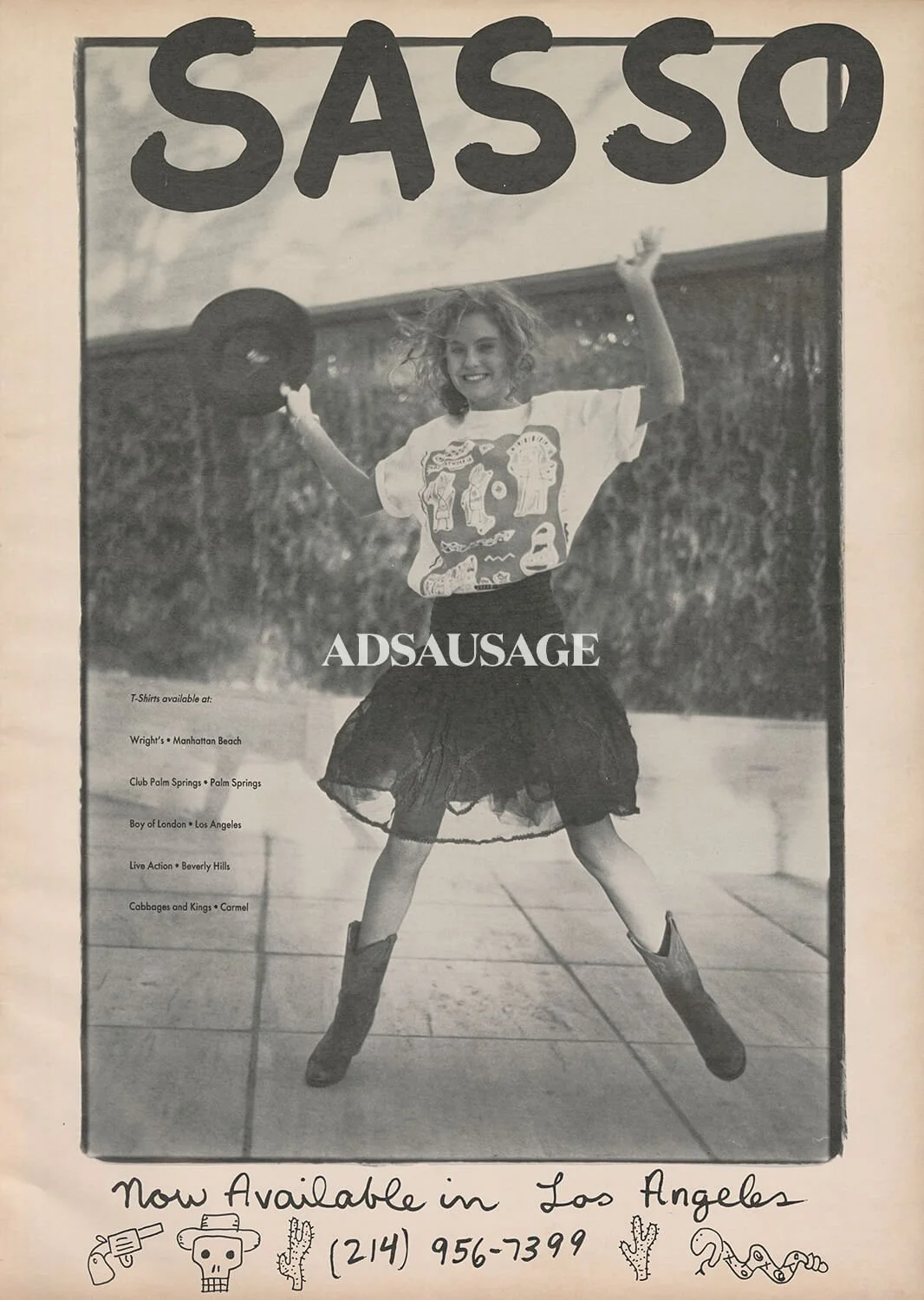
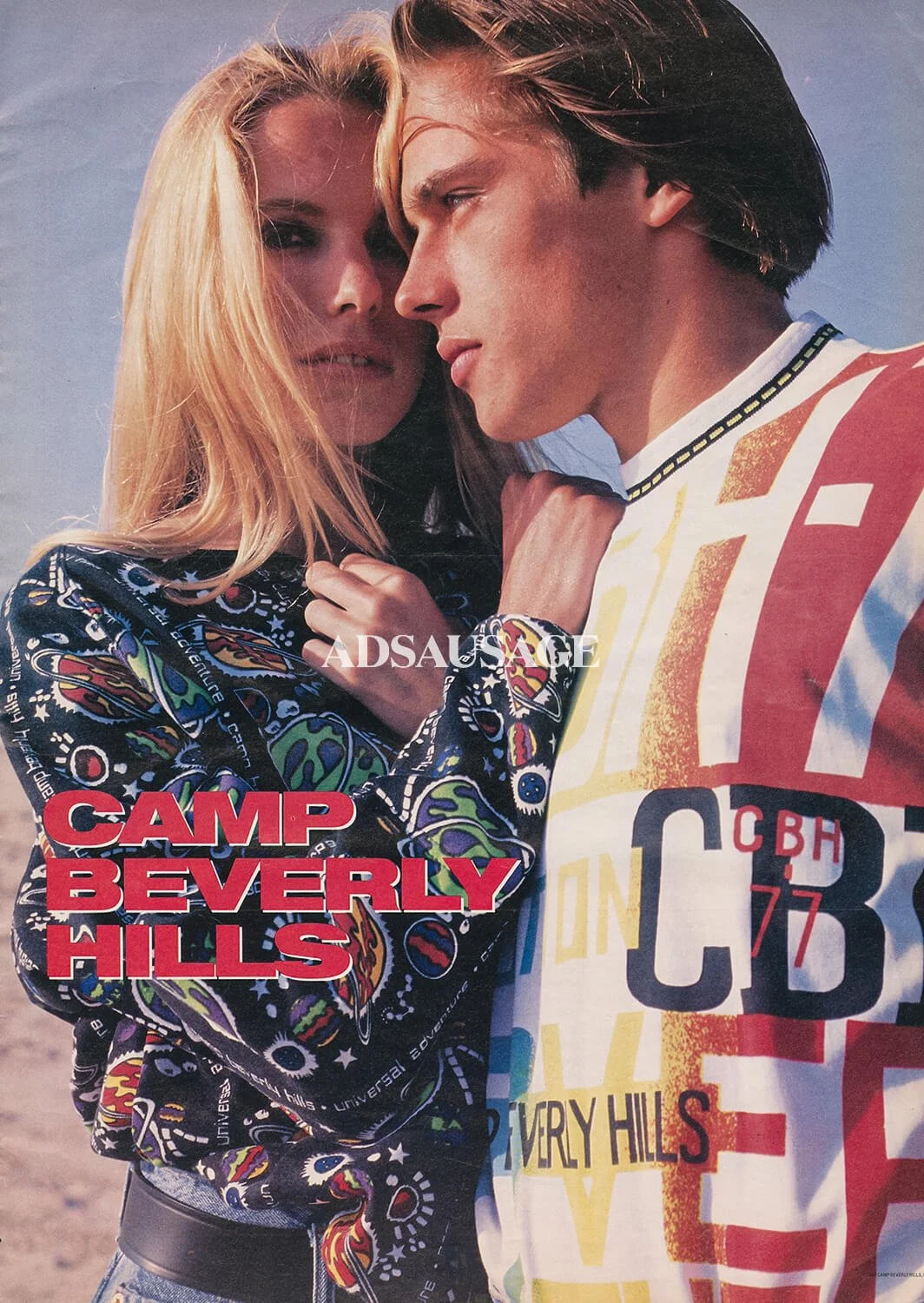
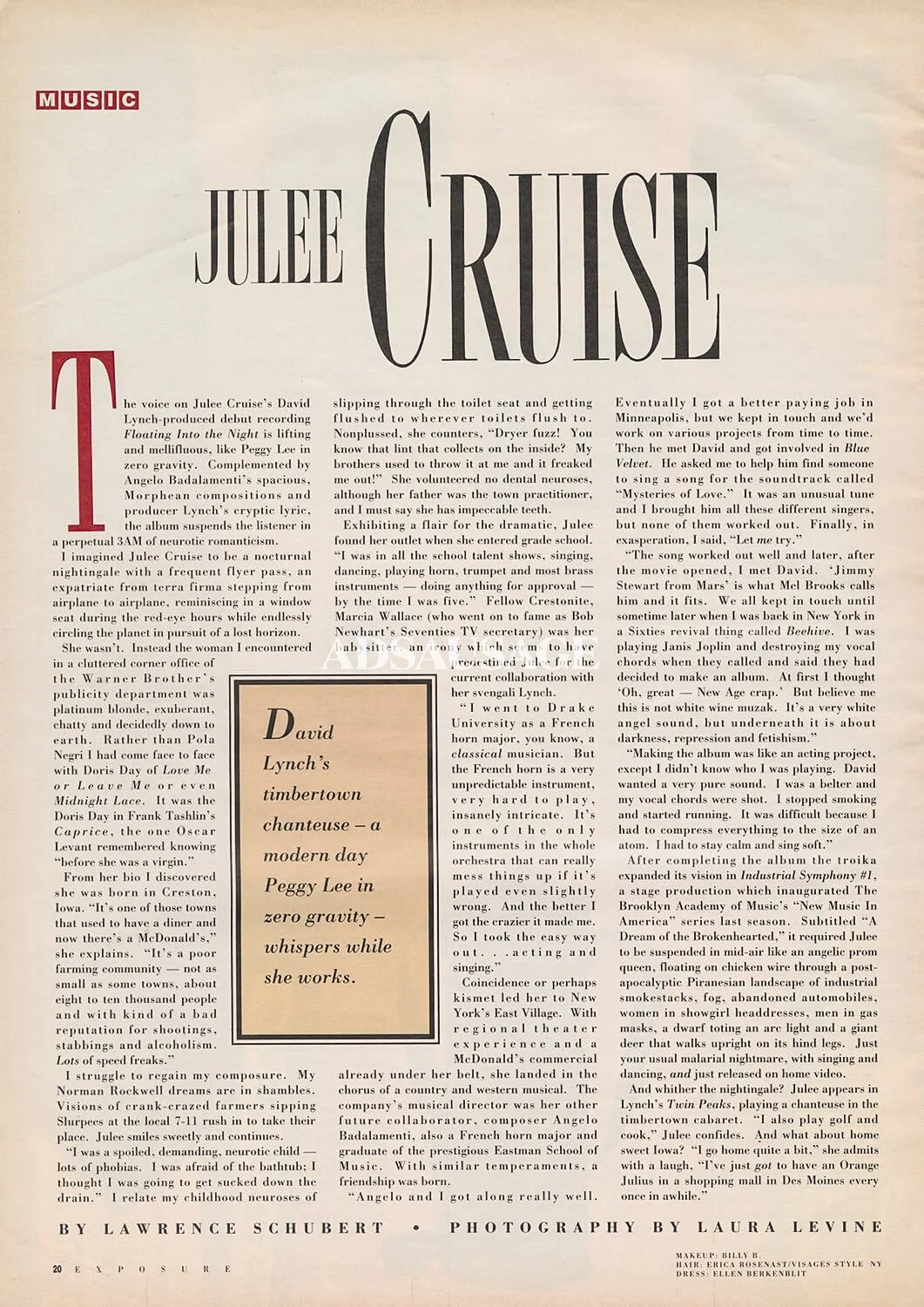
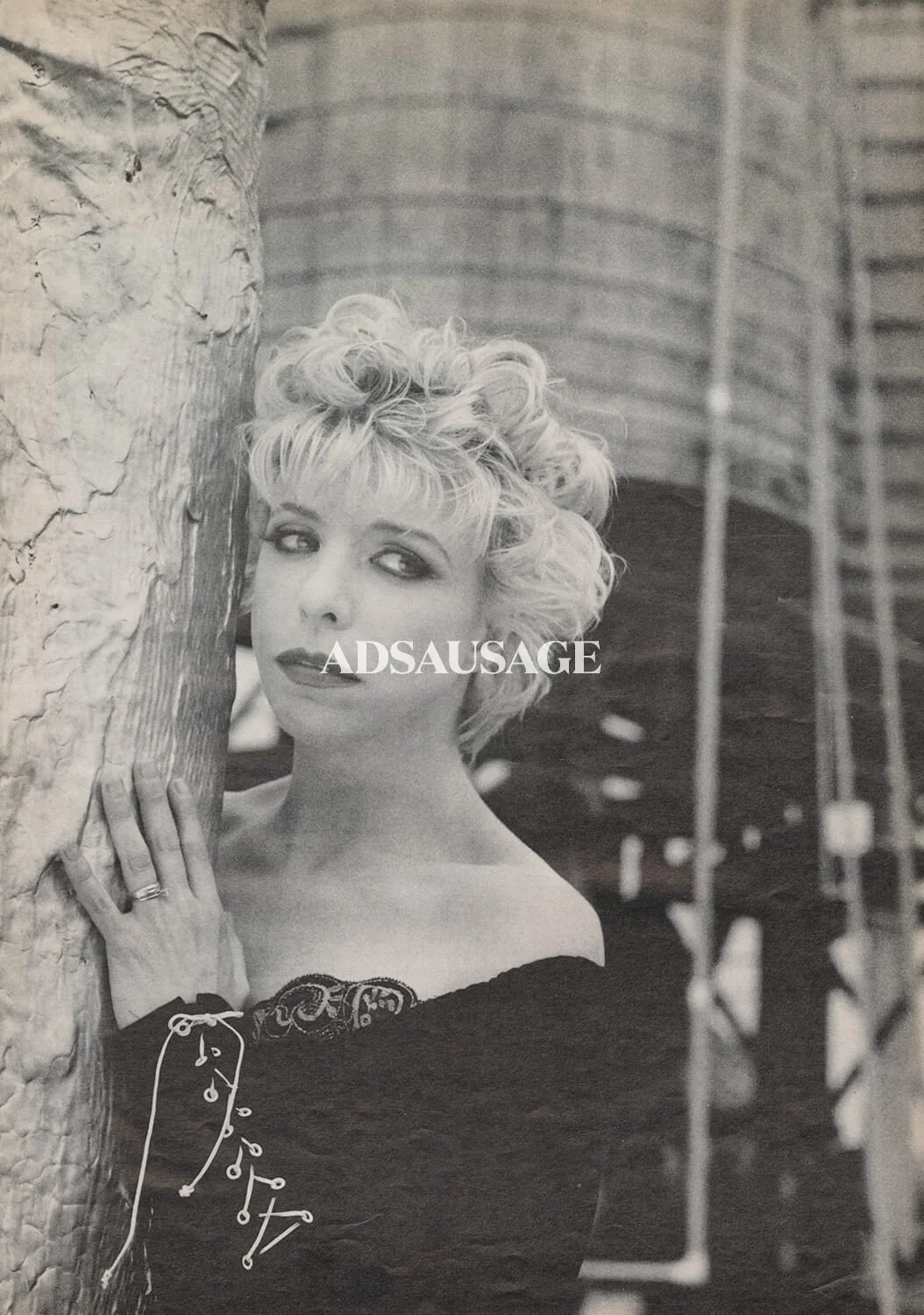
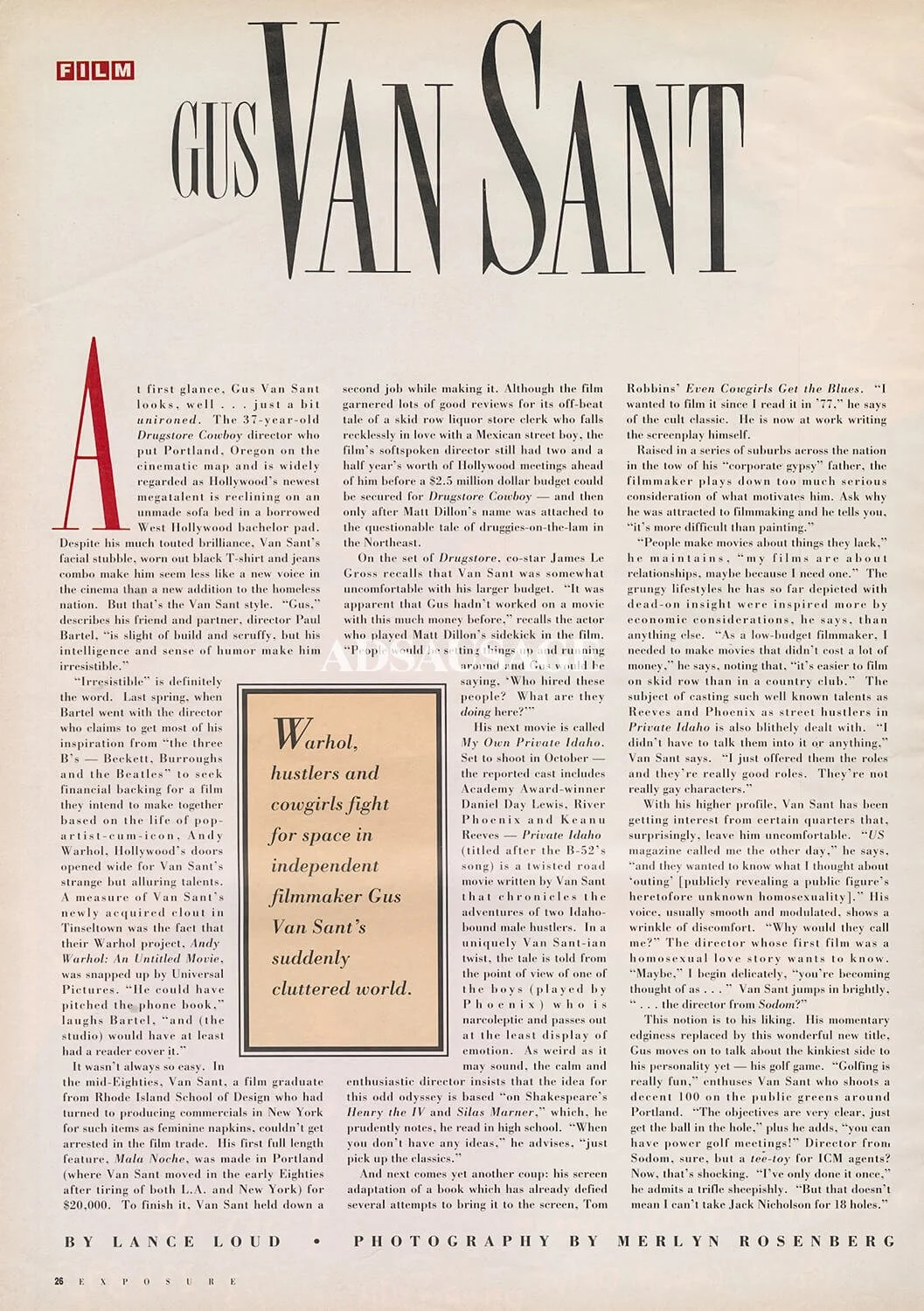
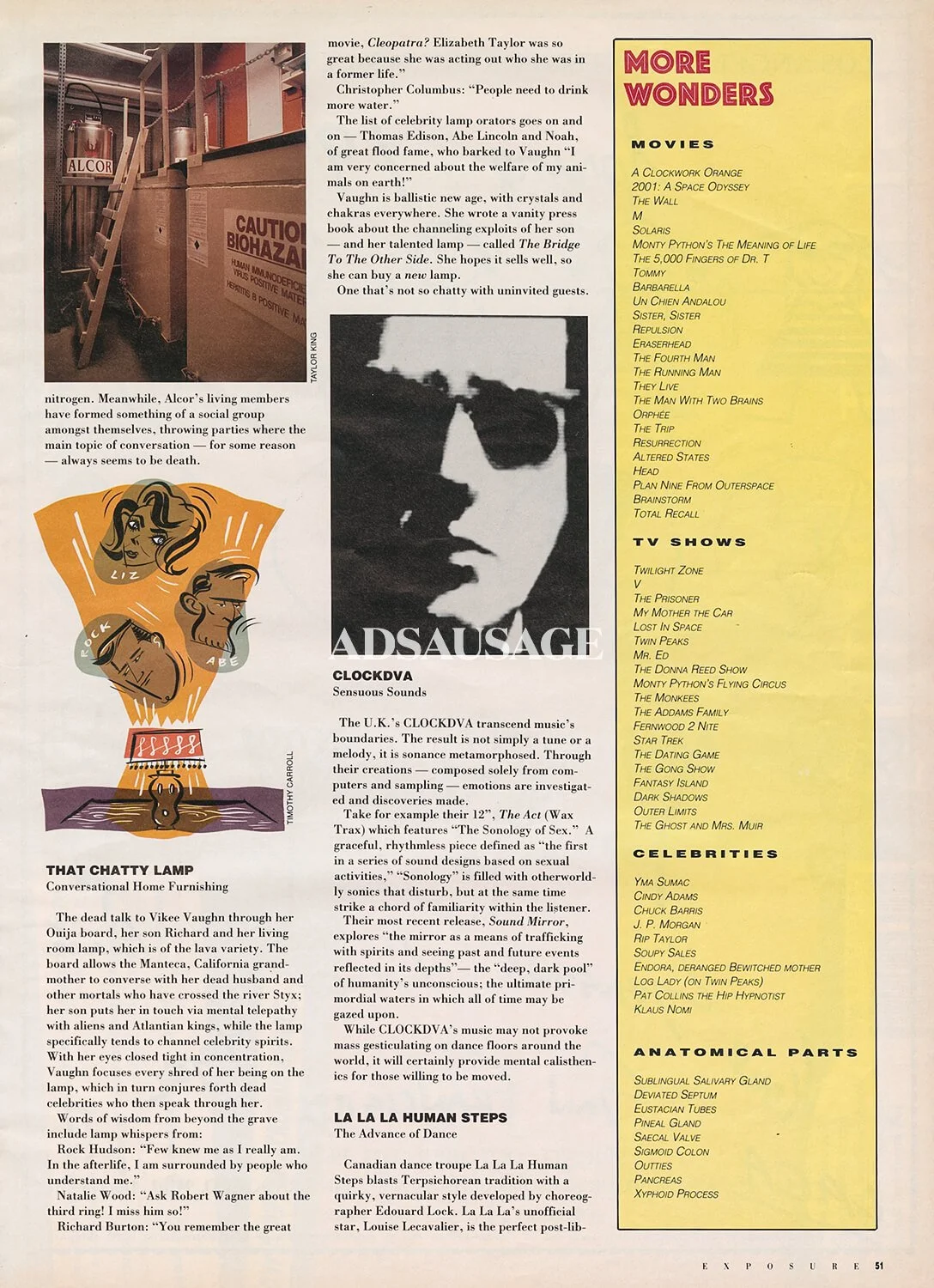
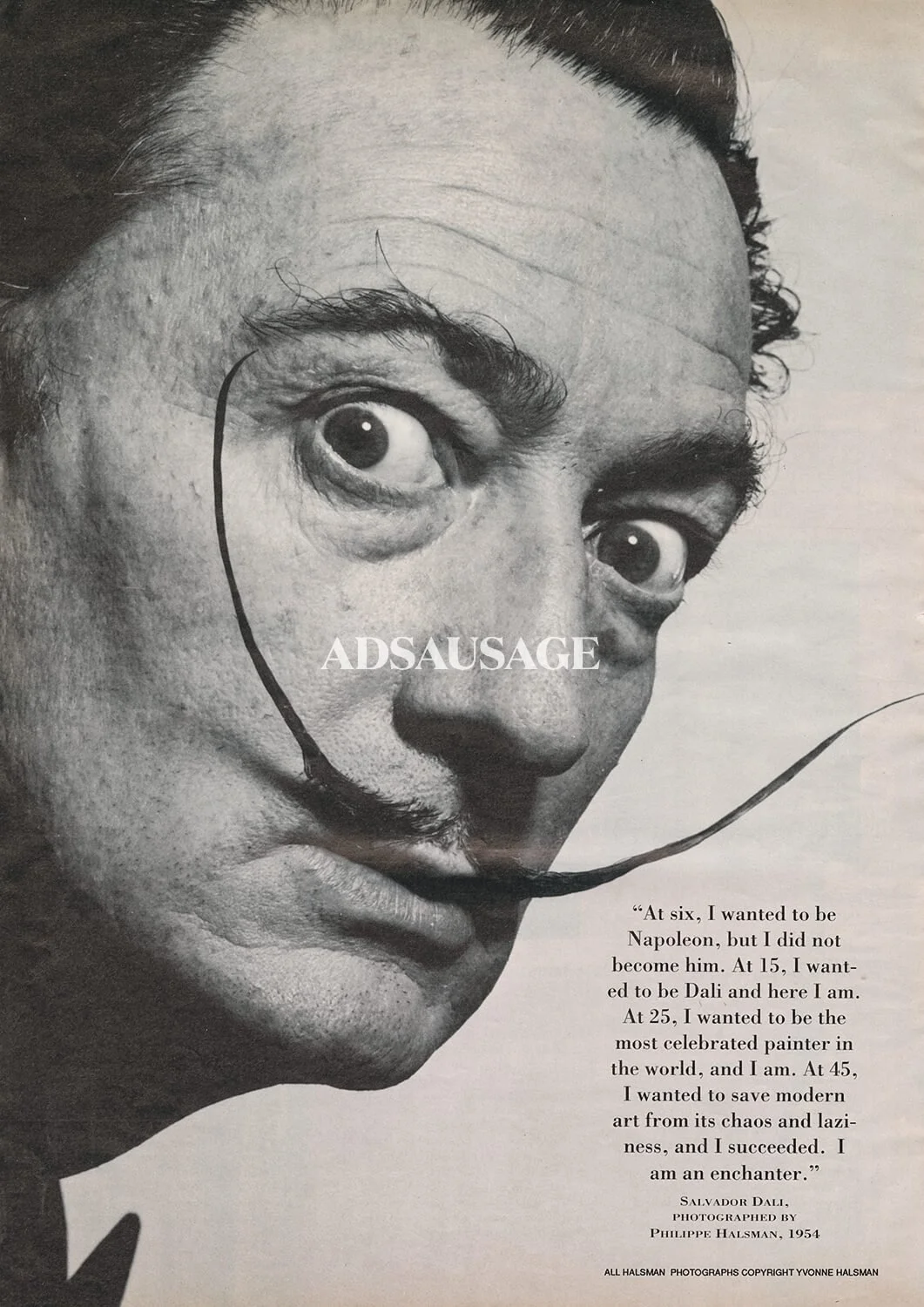
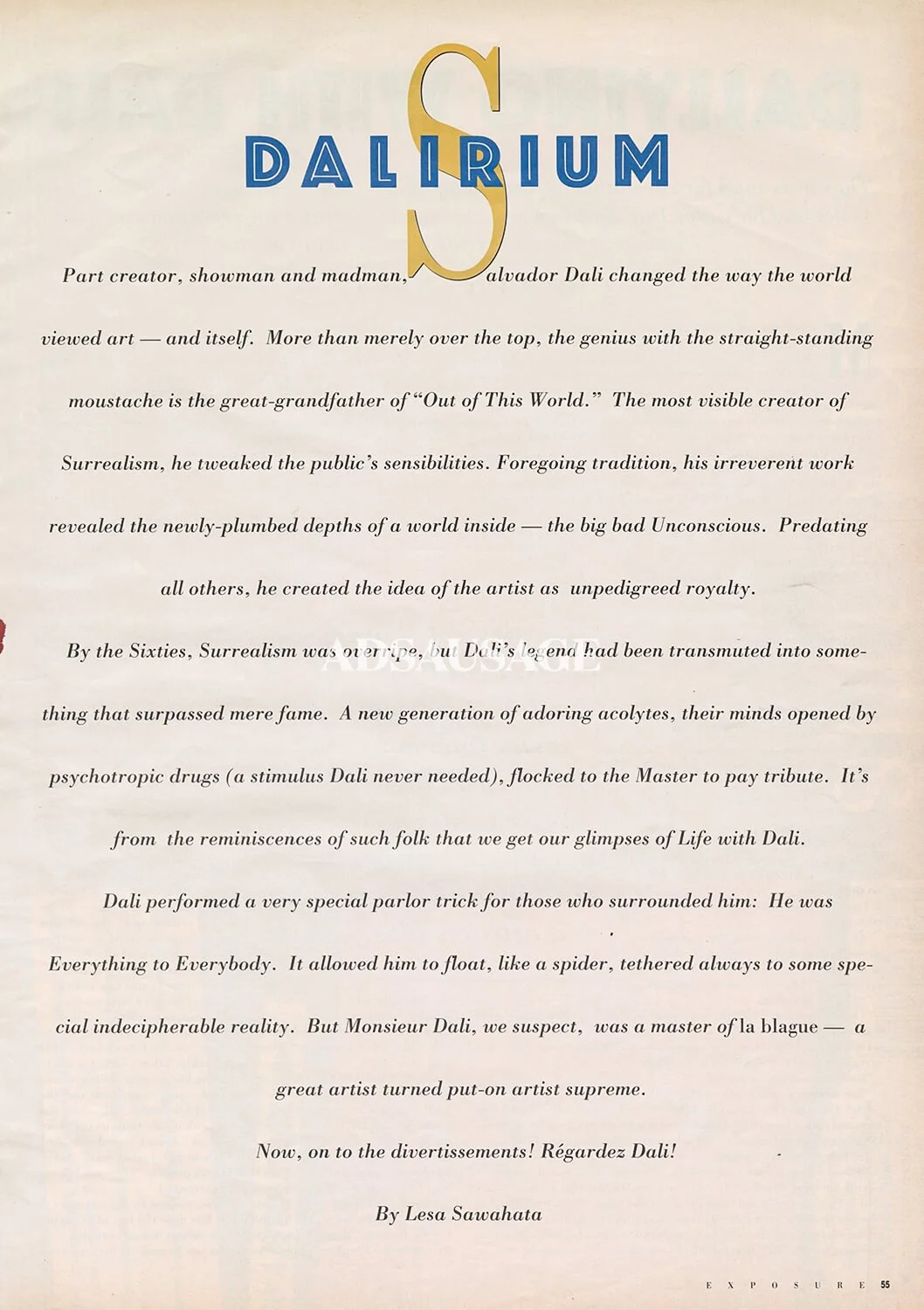
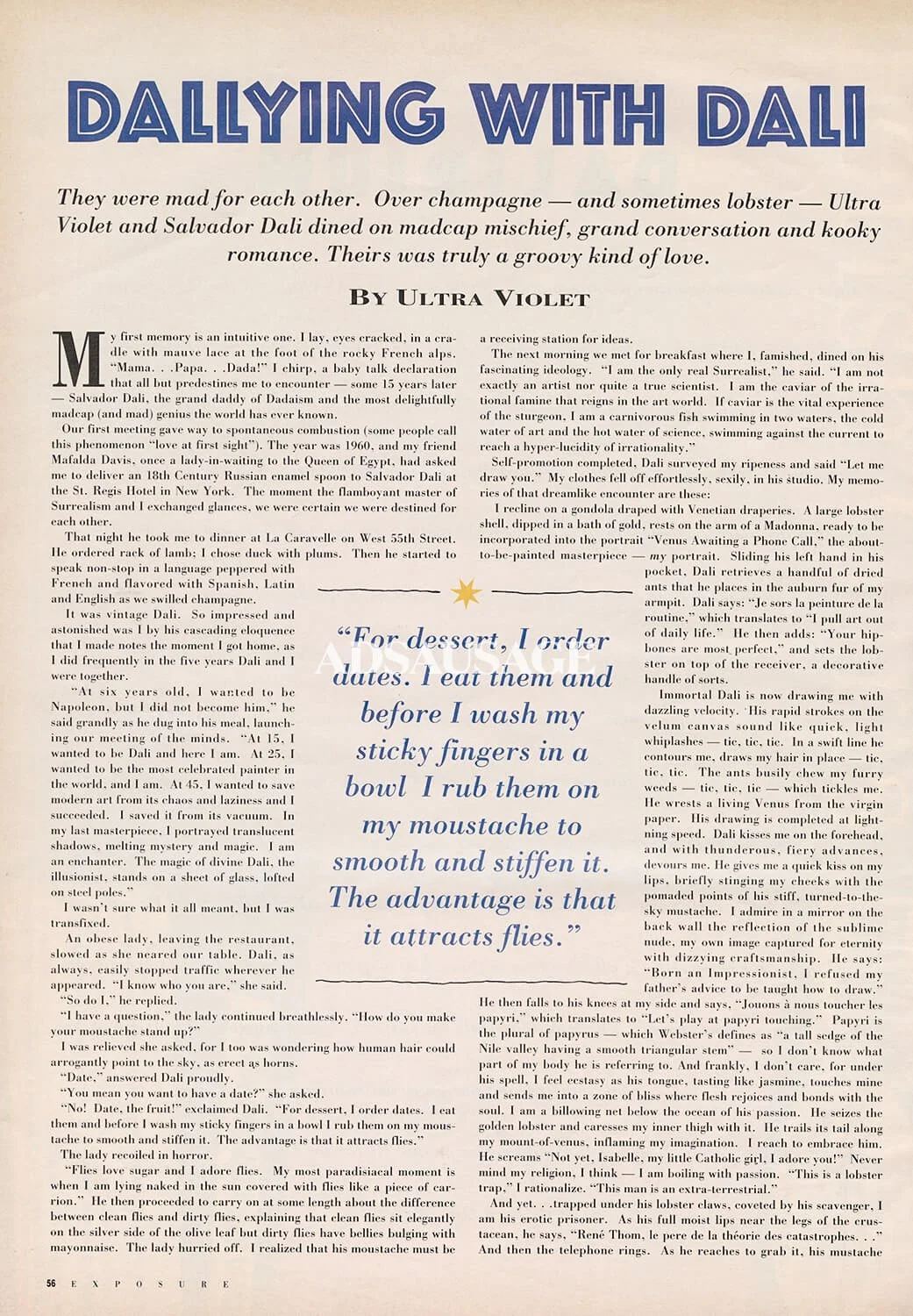
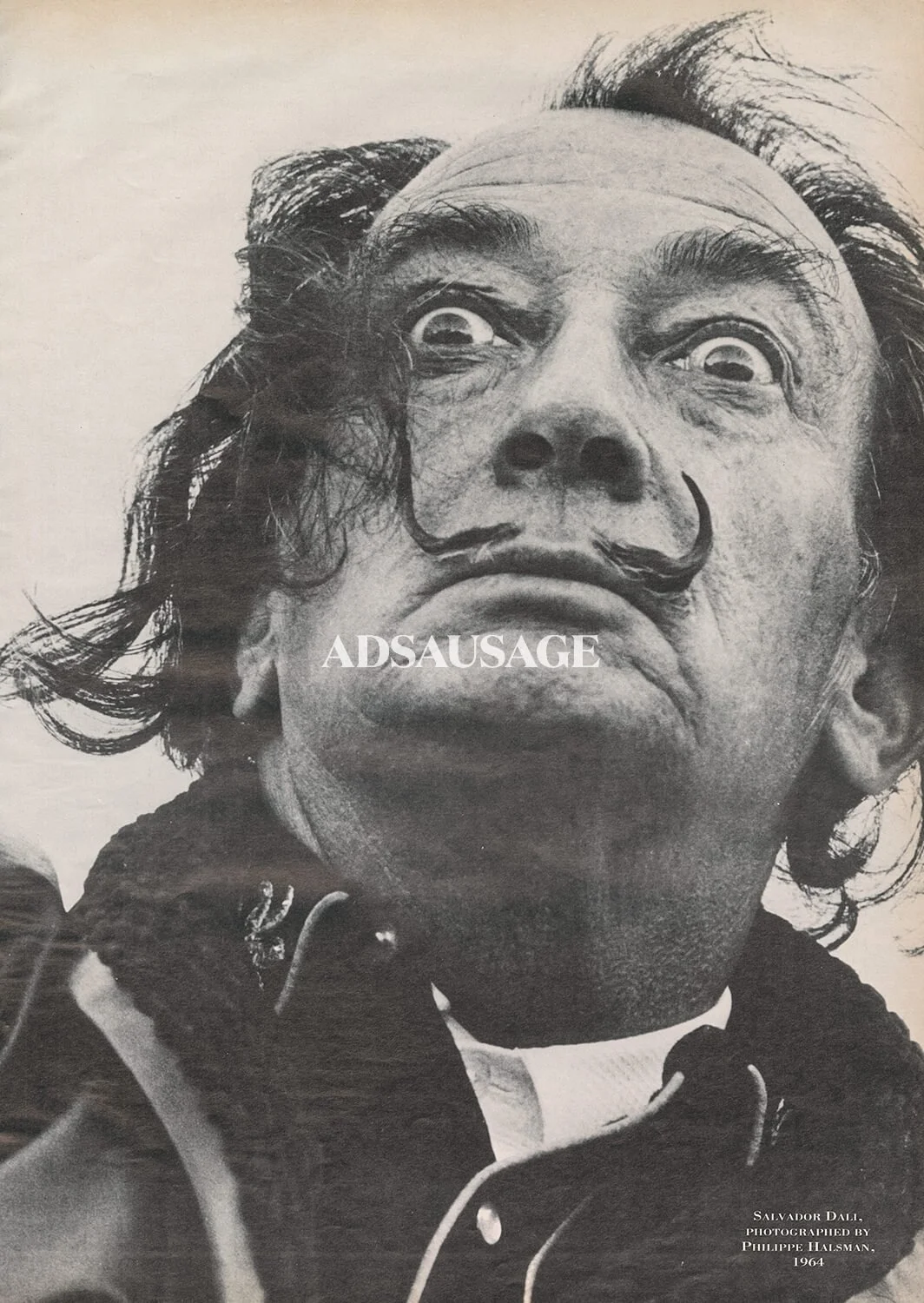
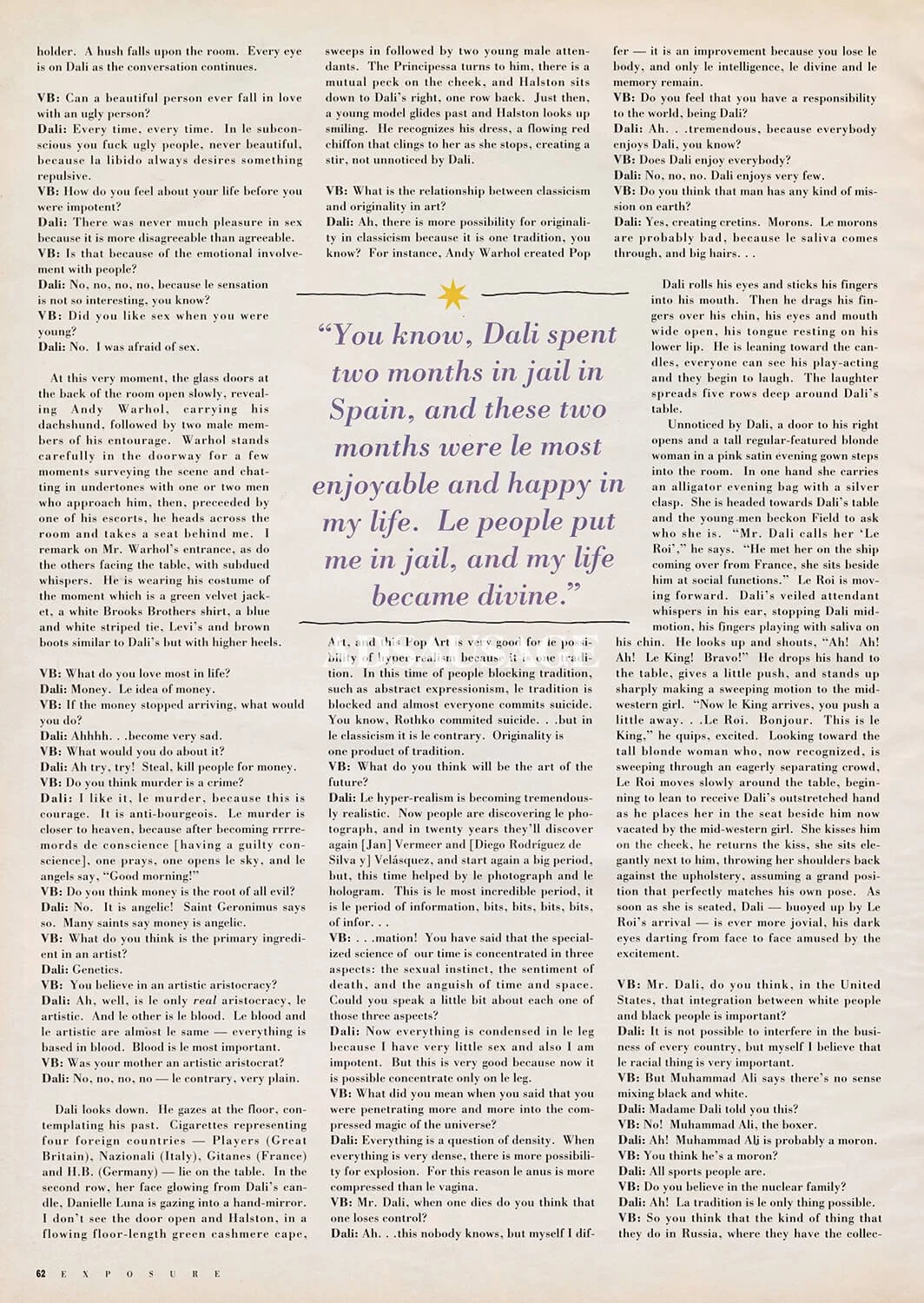
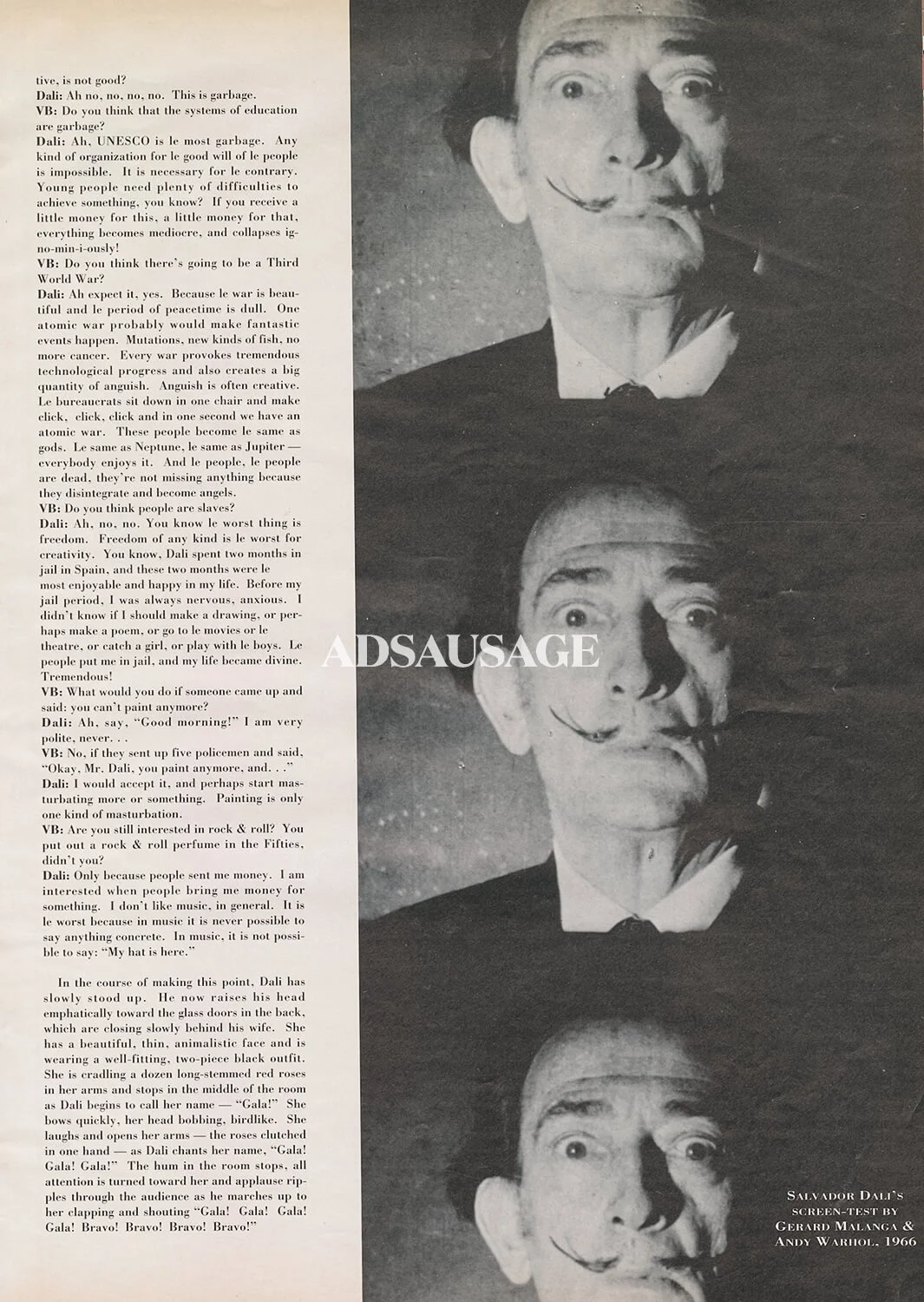
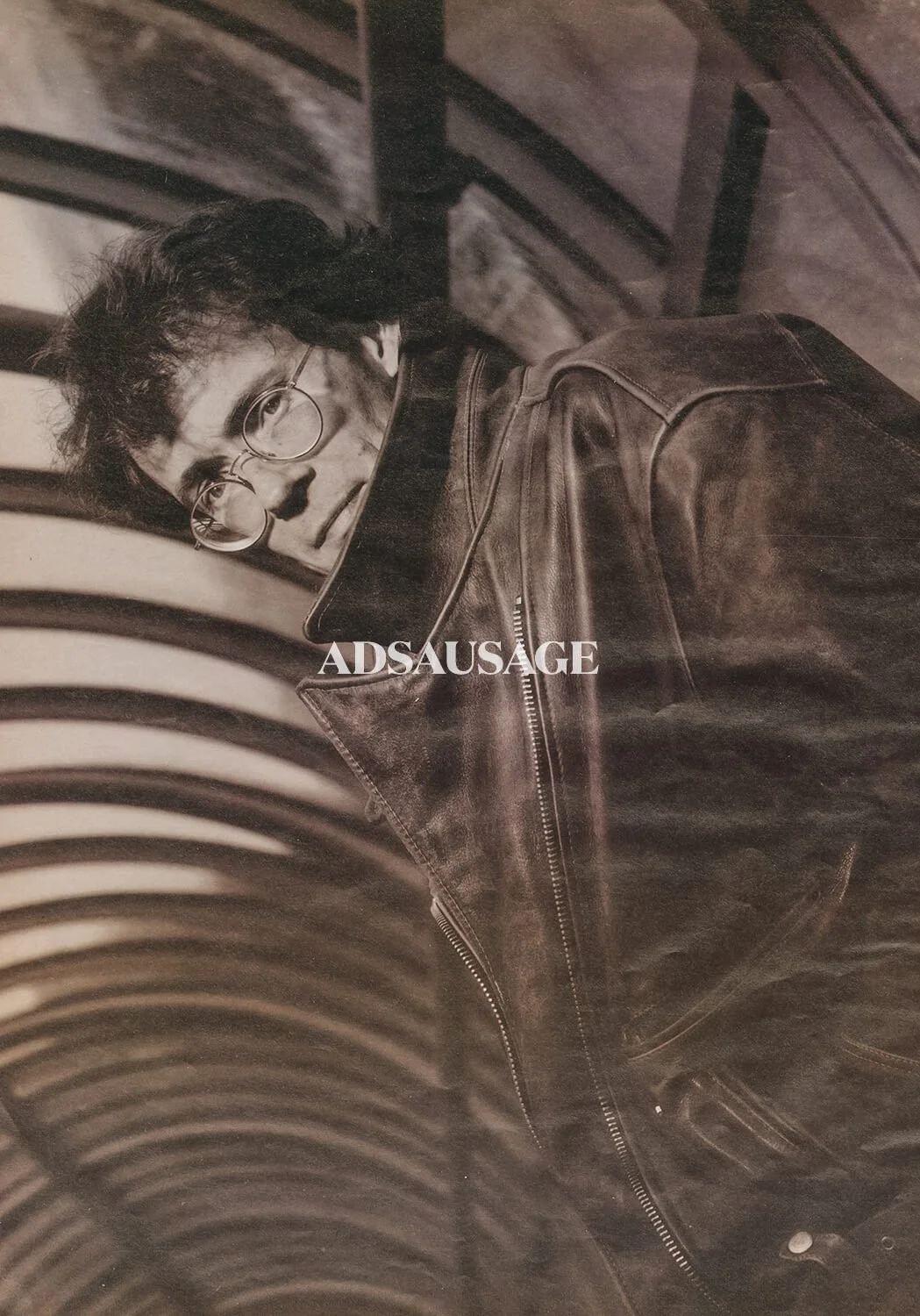
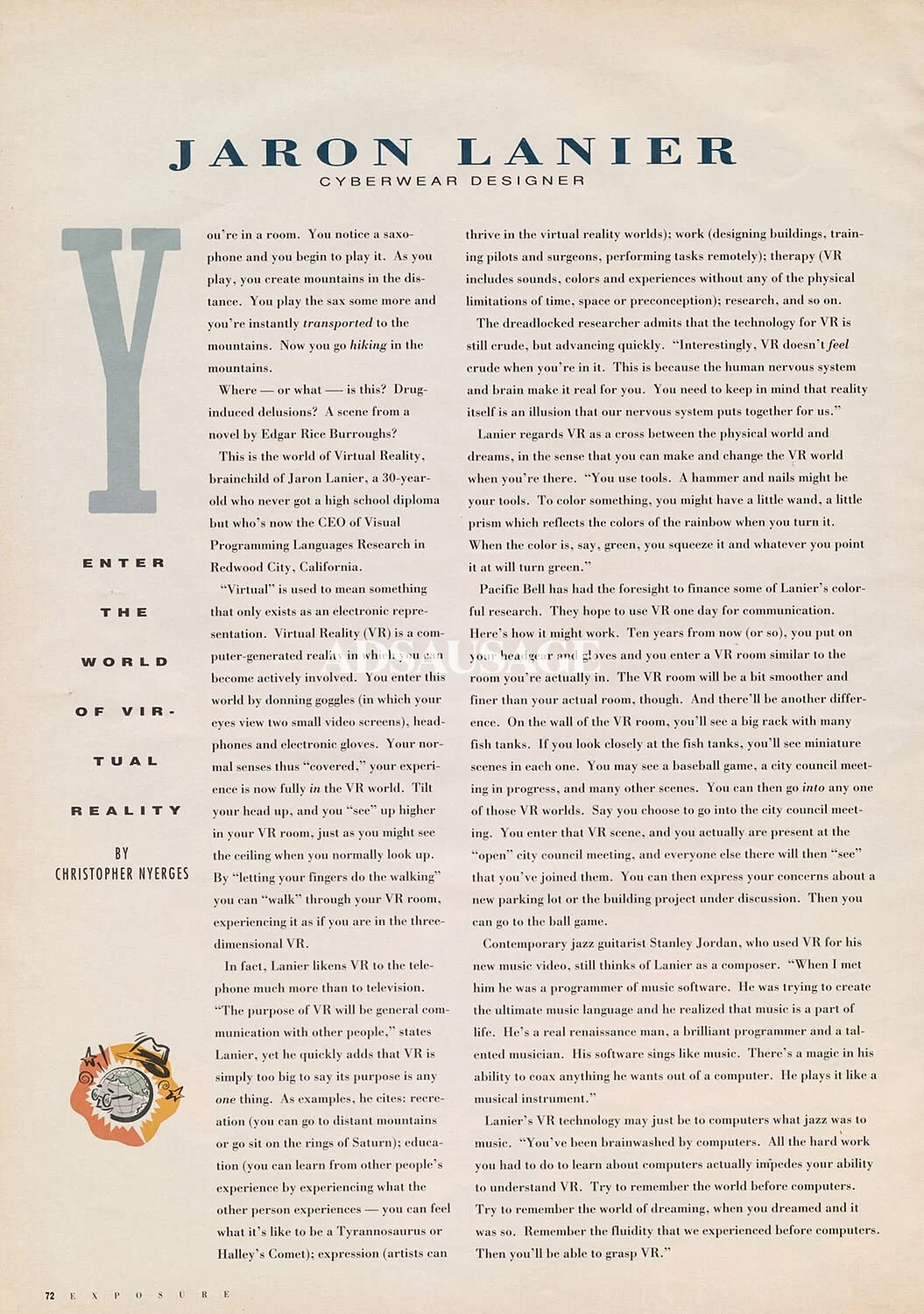
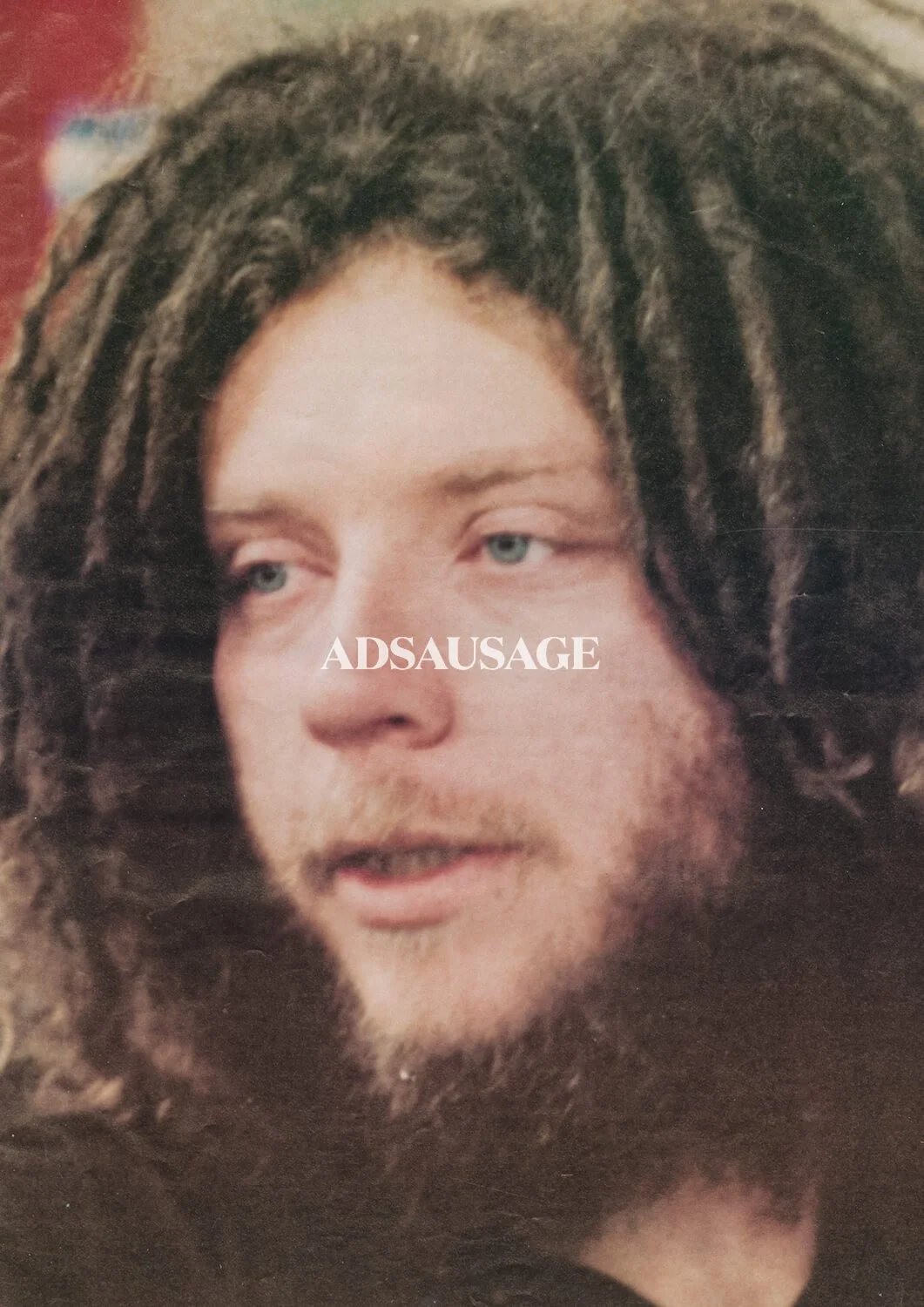
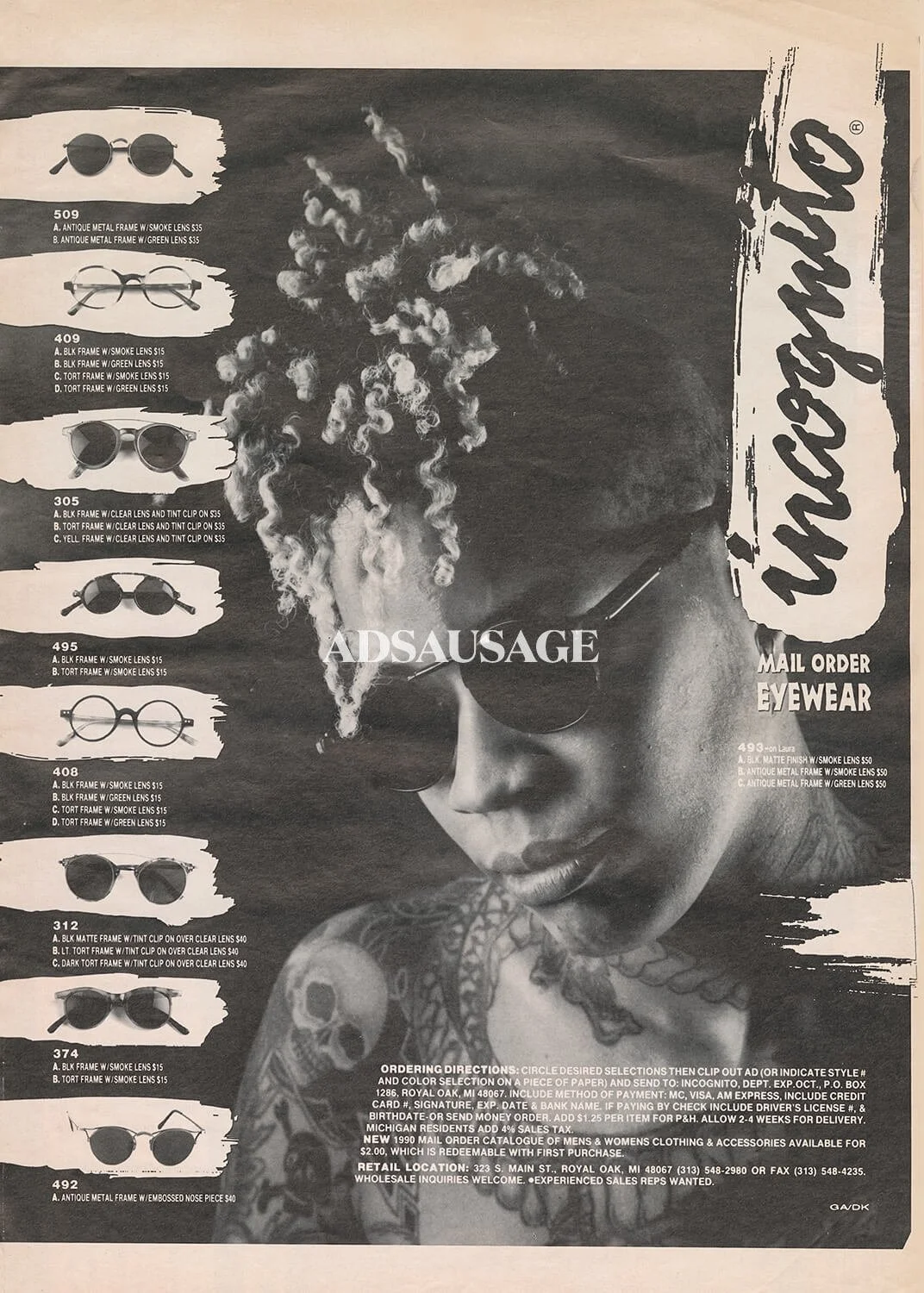
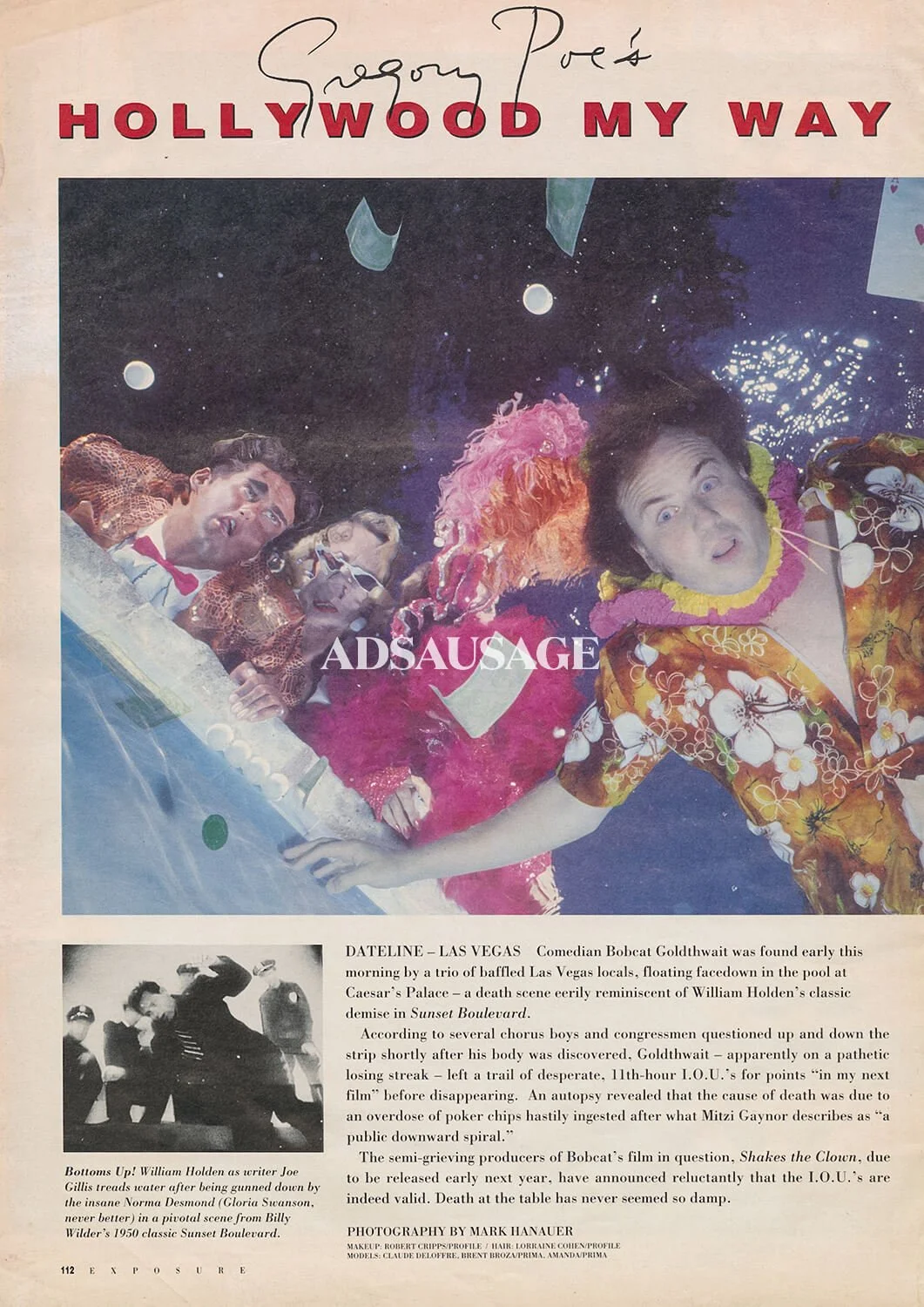
Exposure
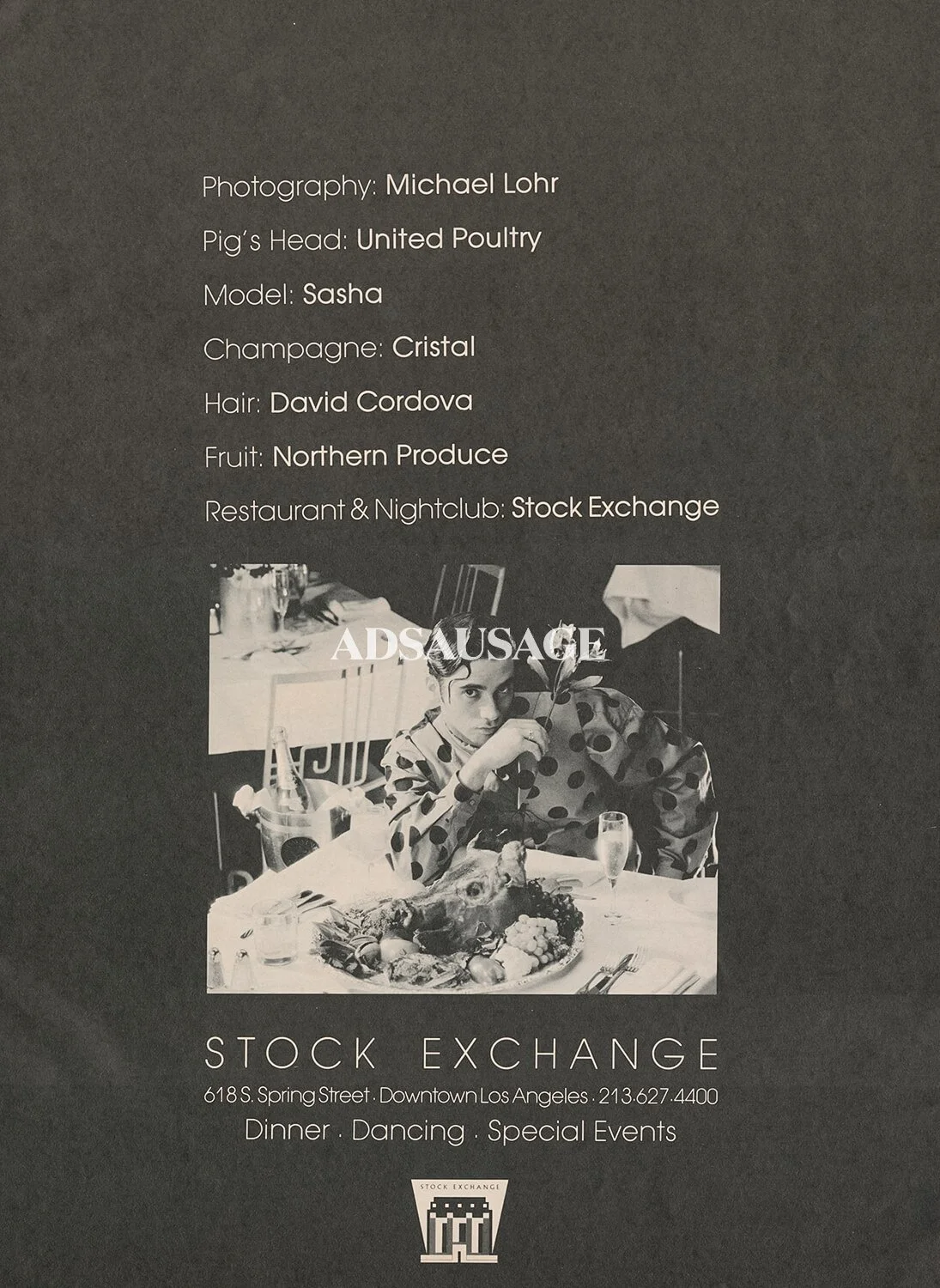
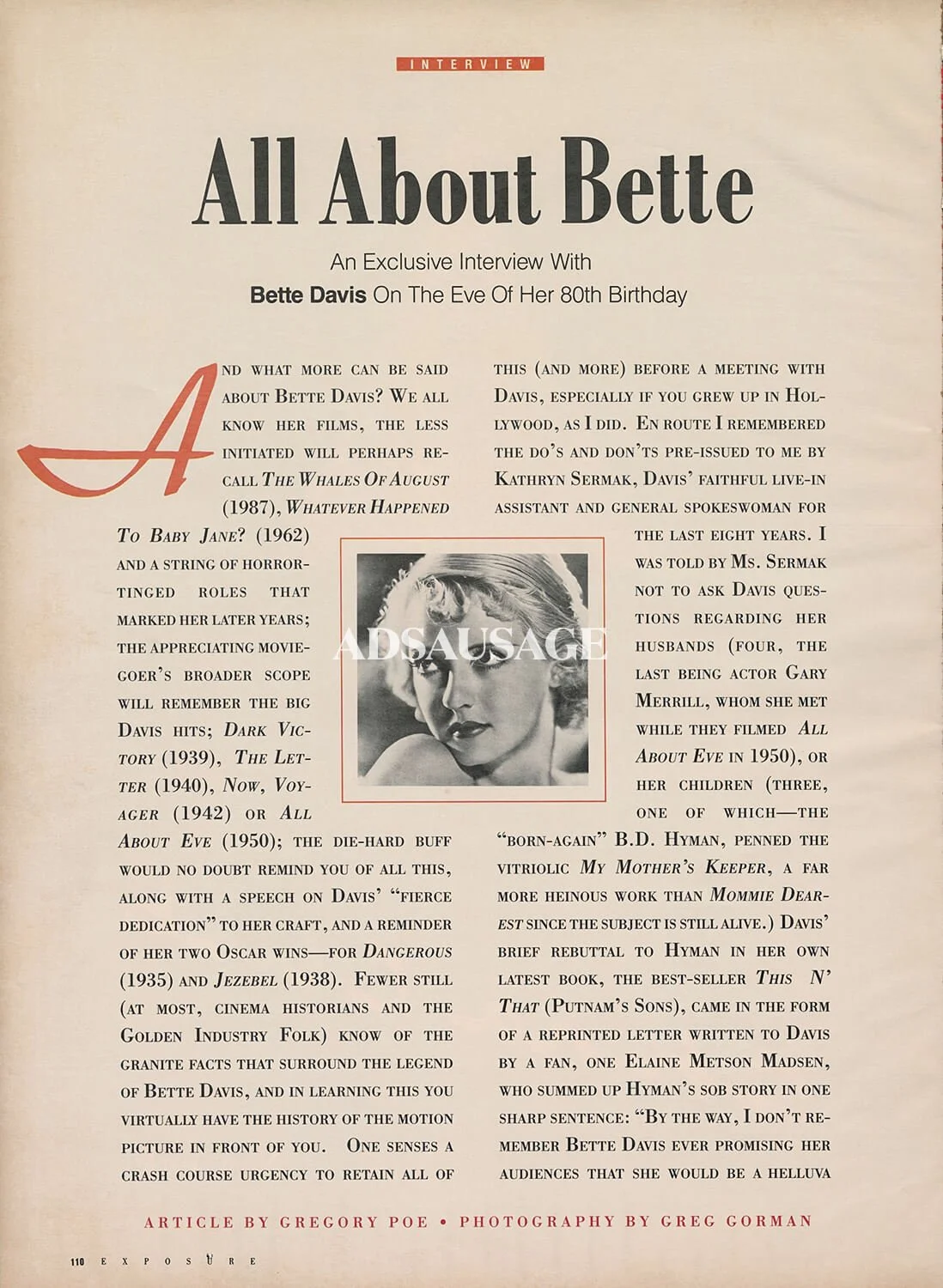
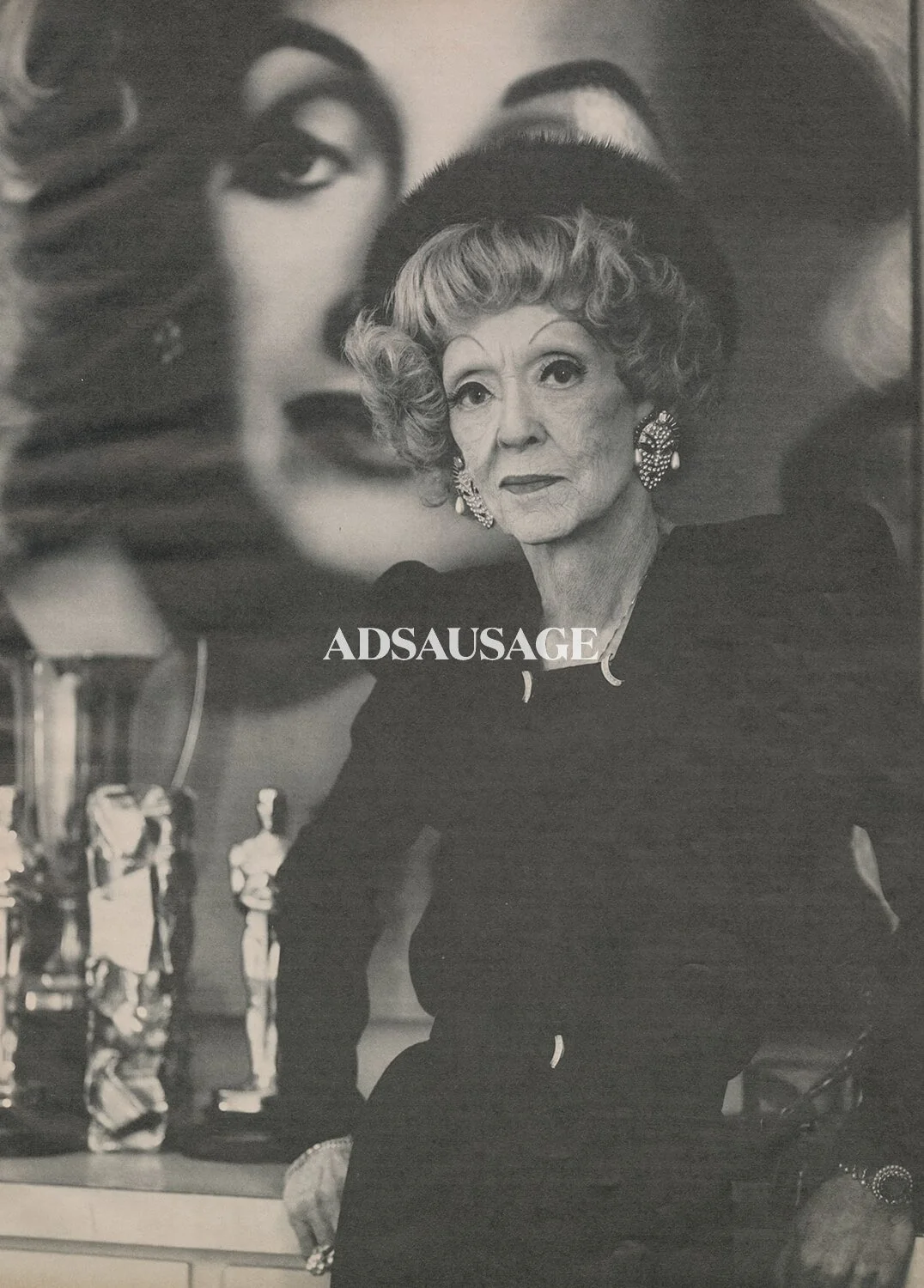
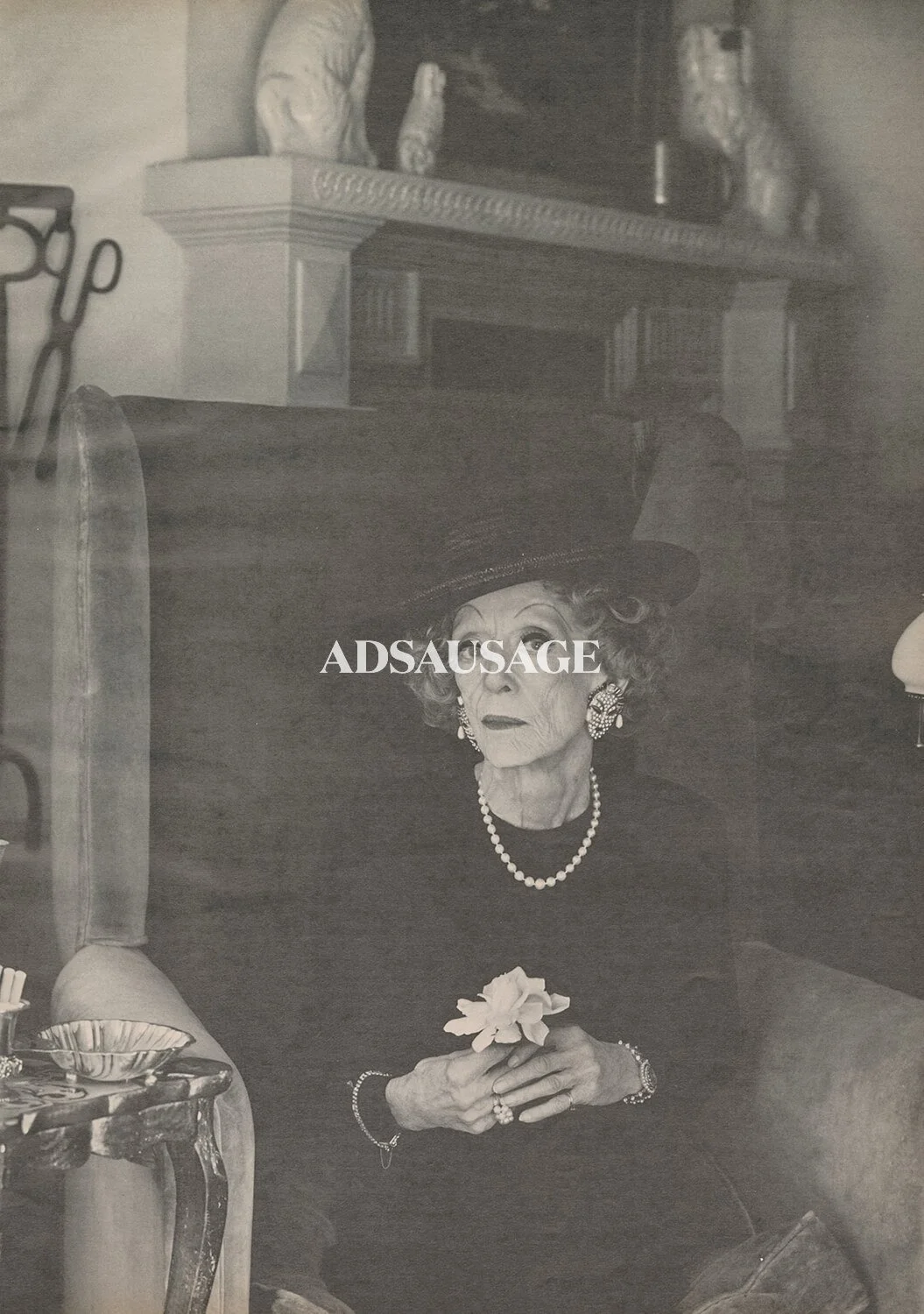
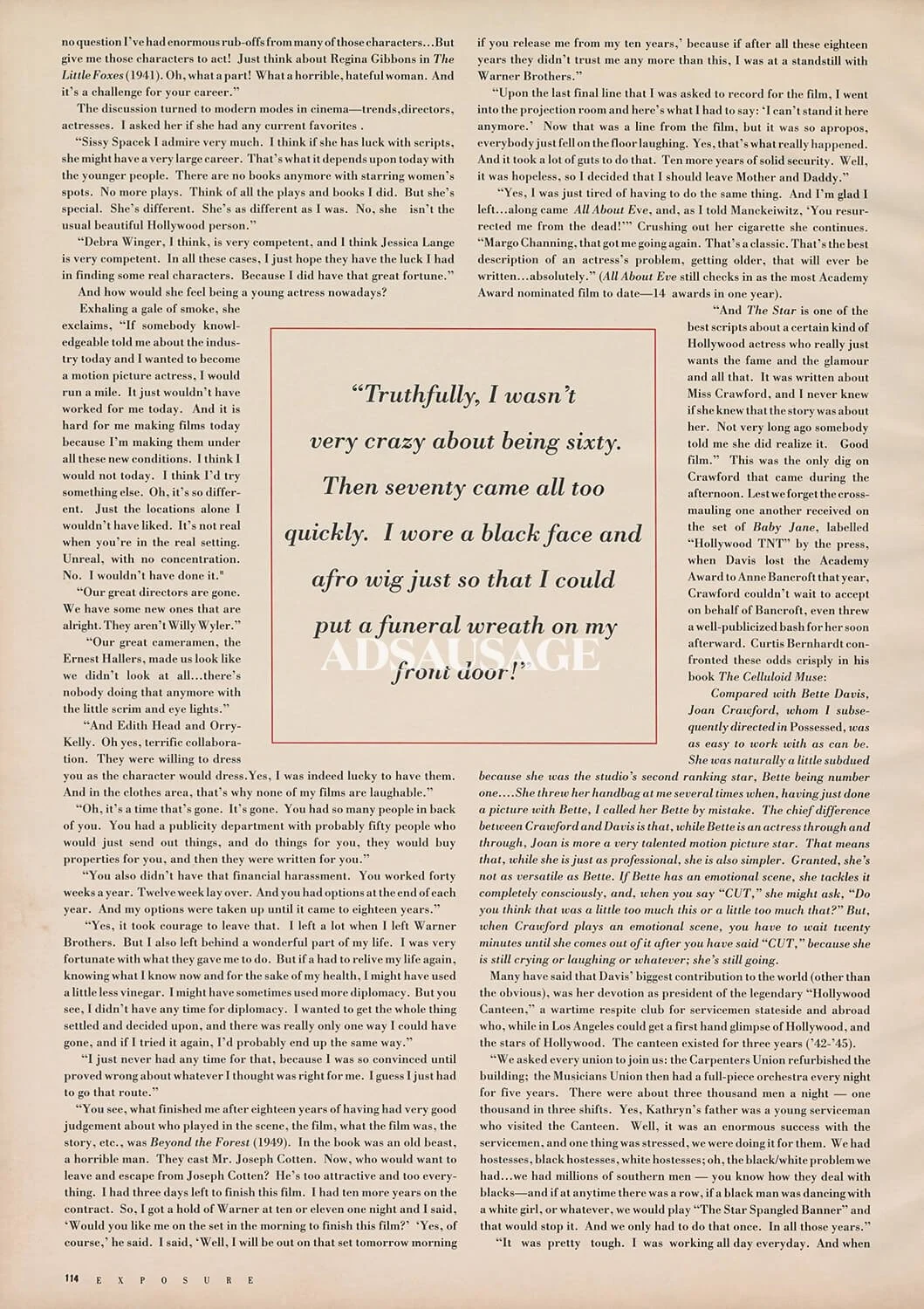
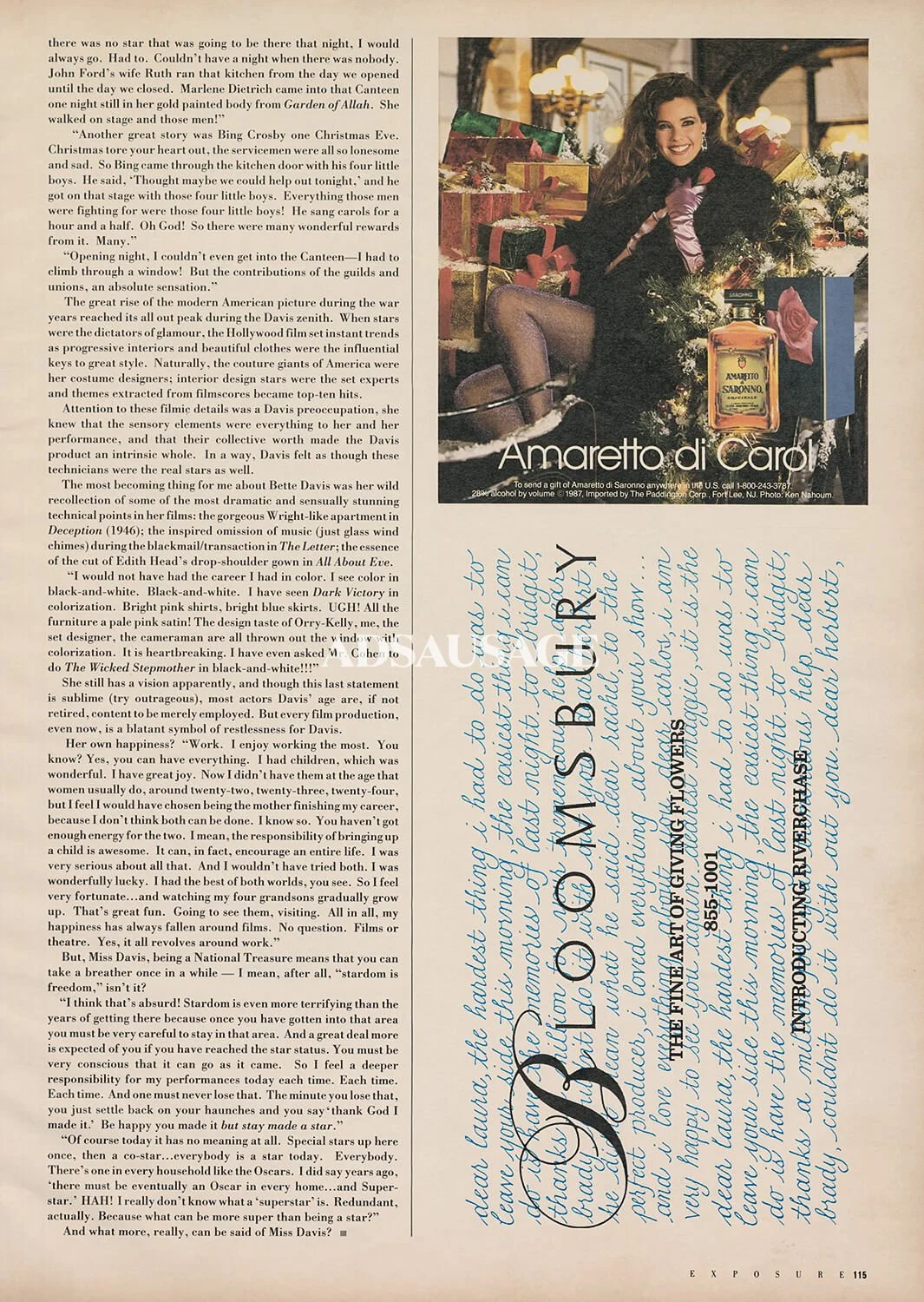
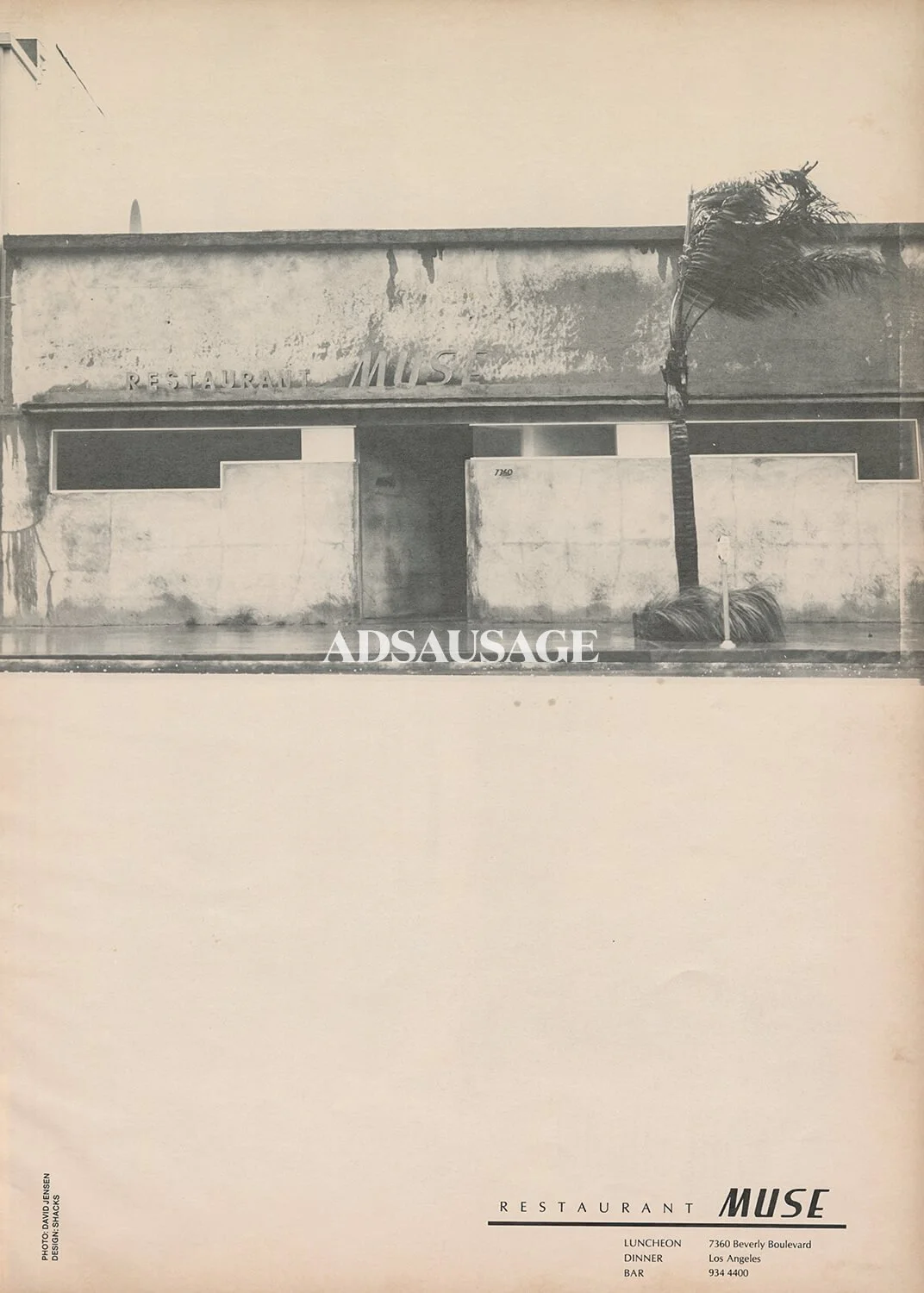
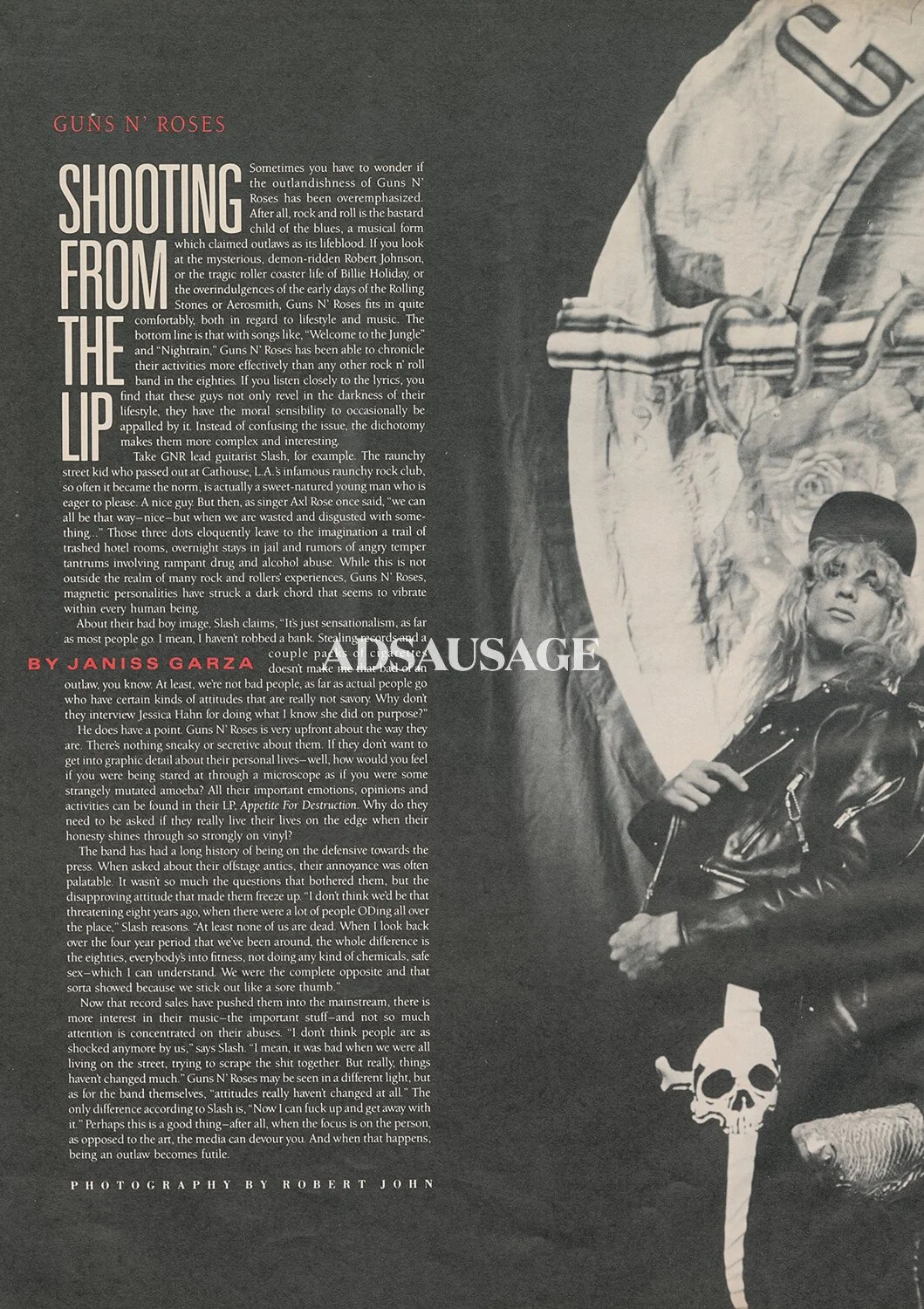
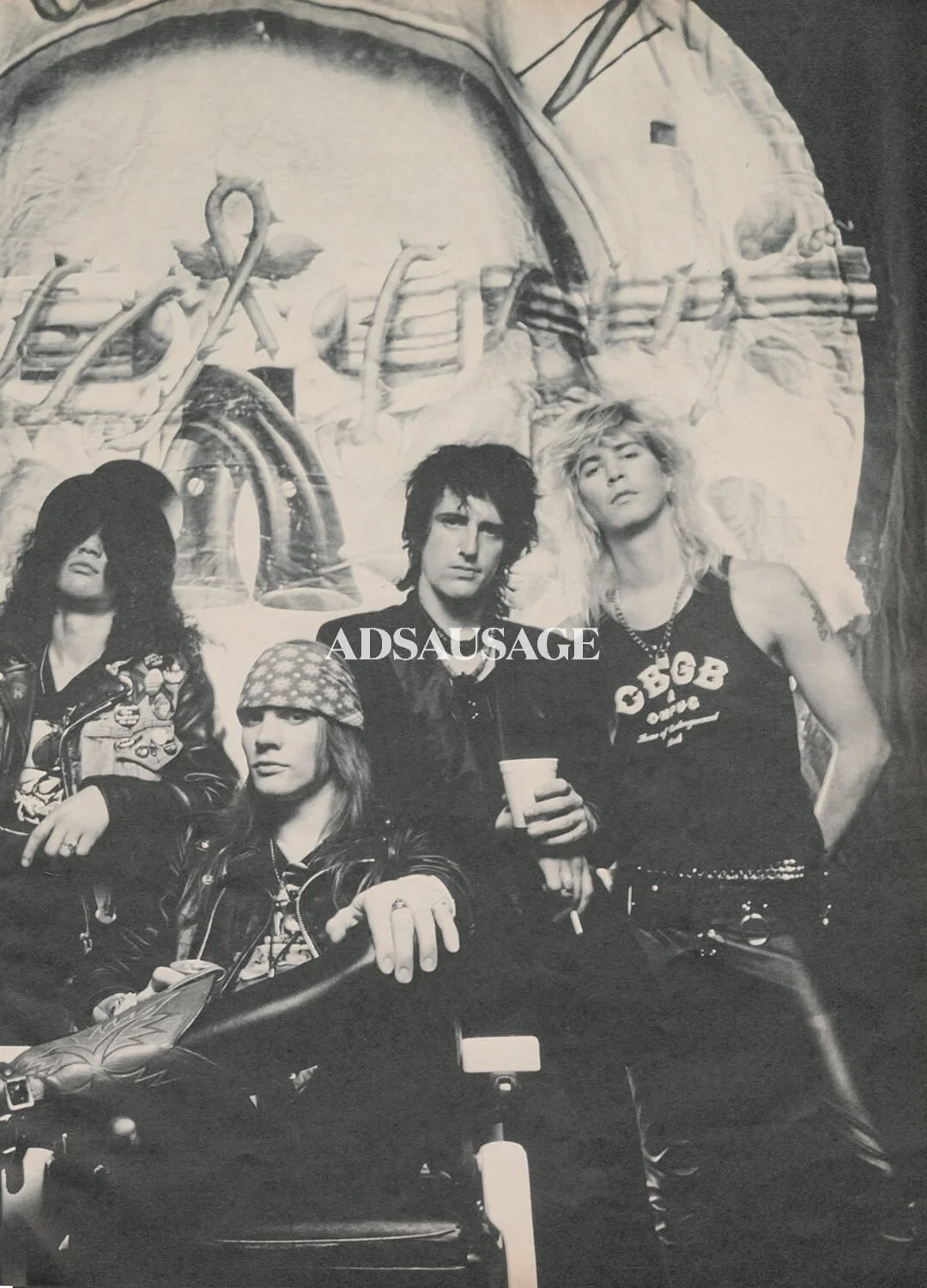
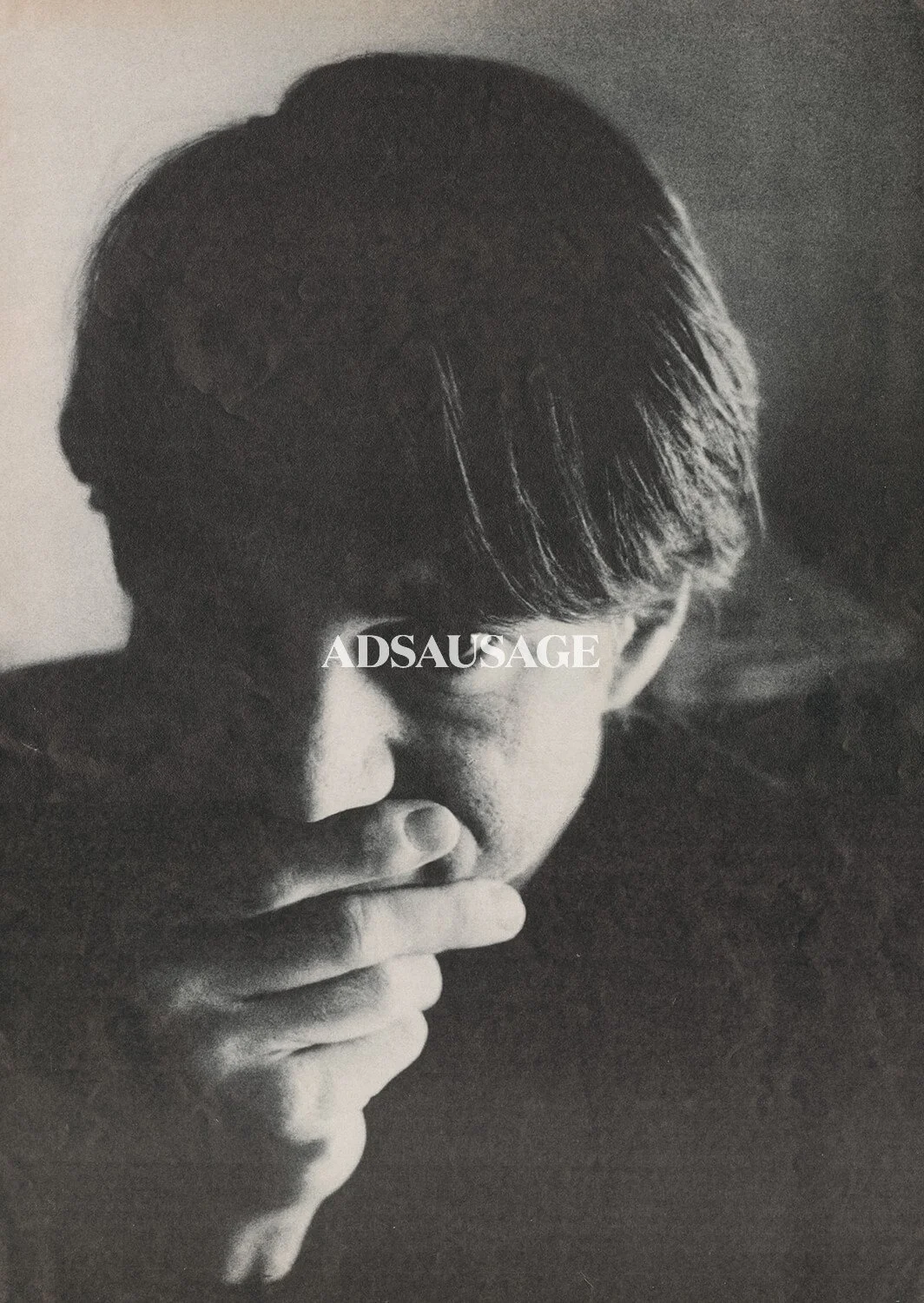
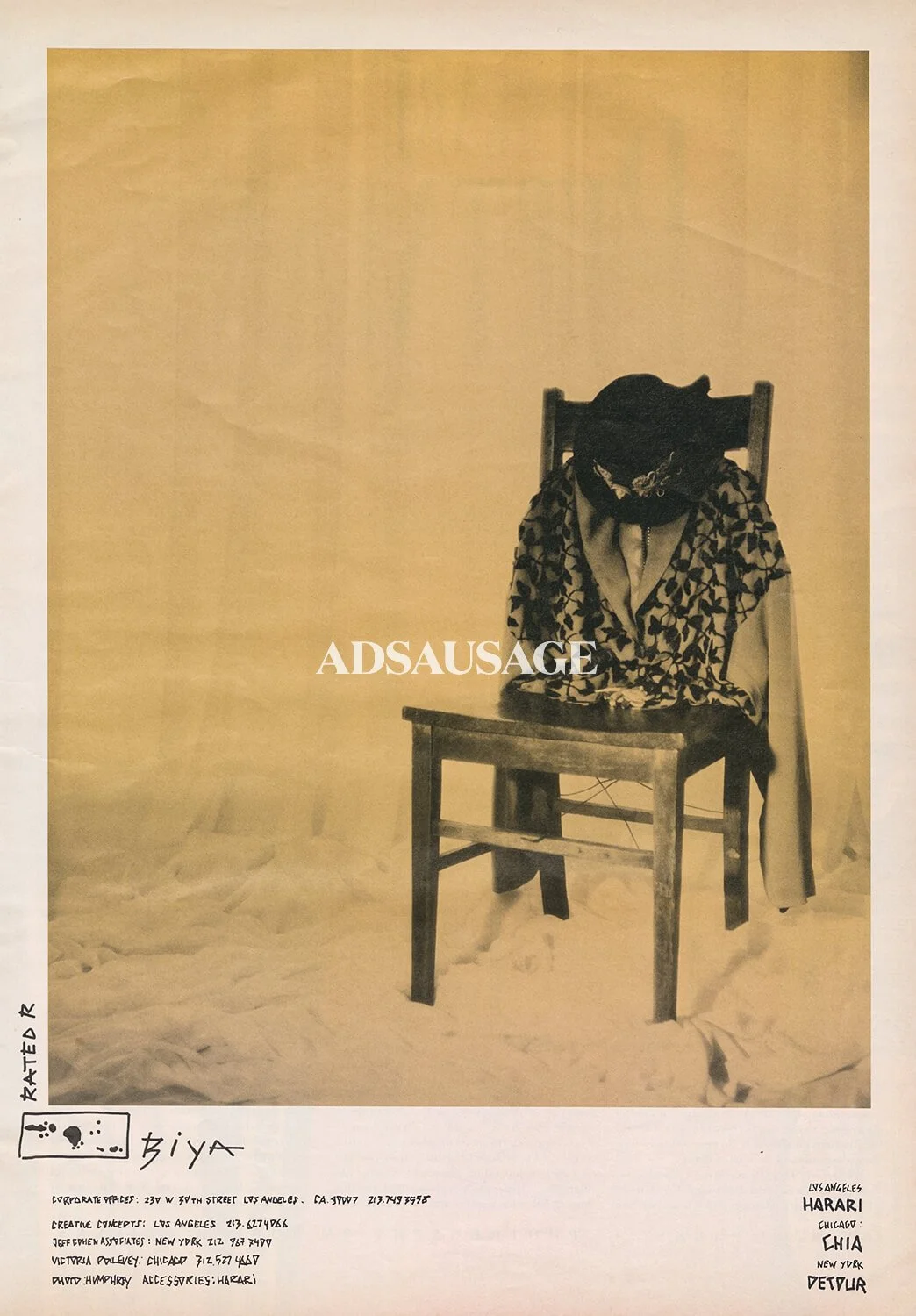
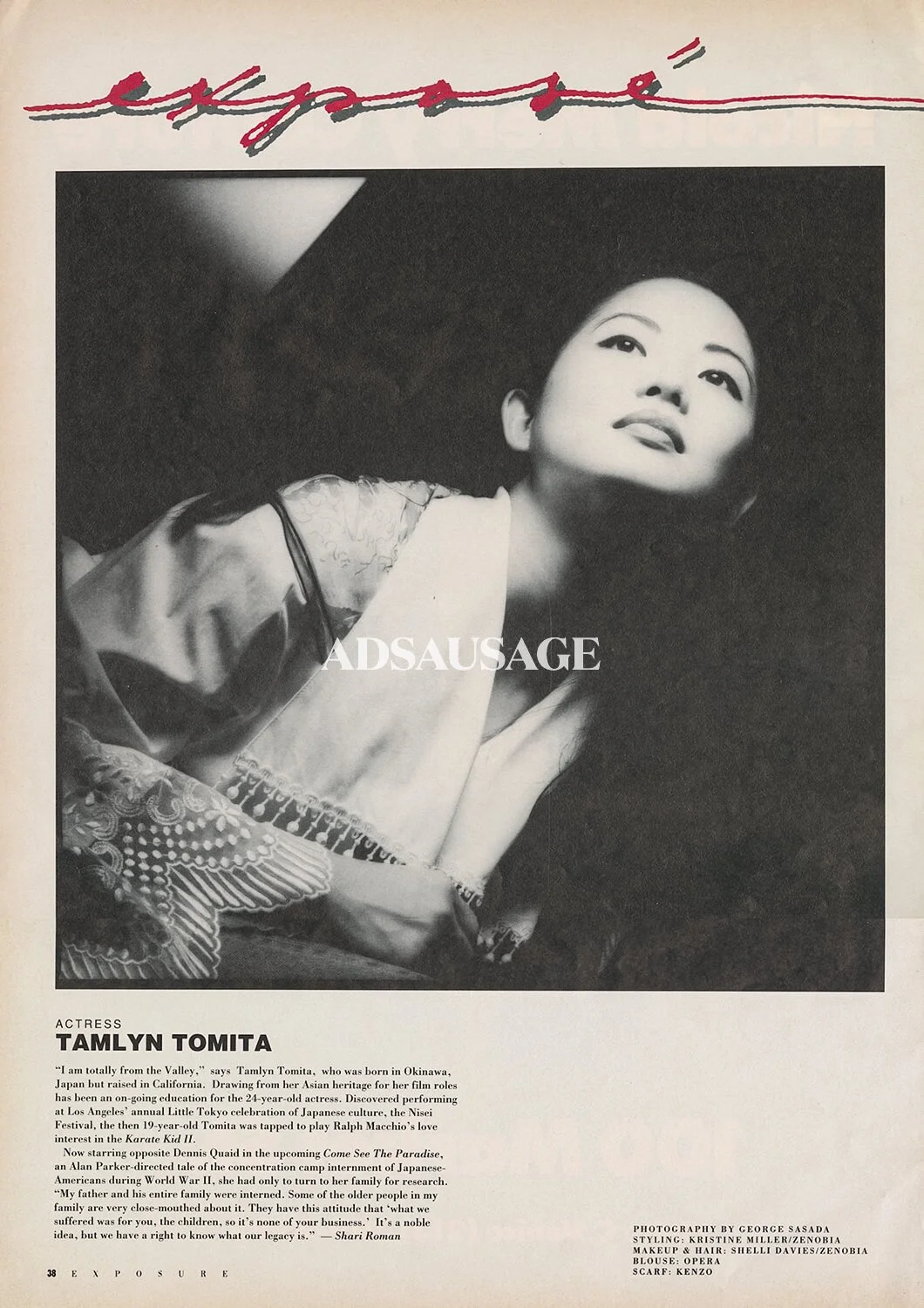
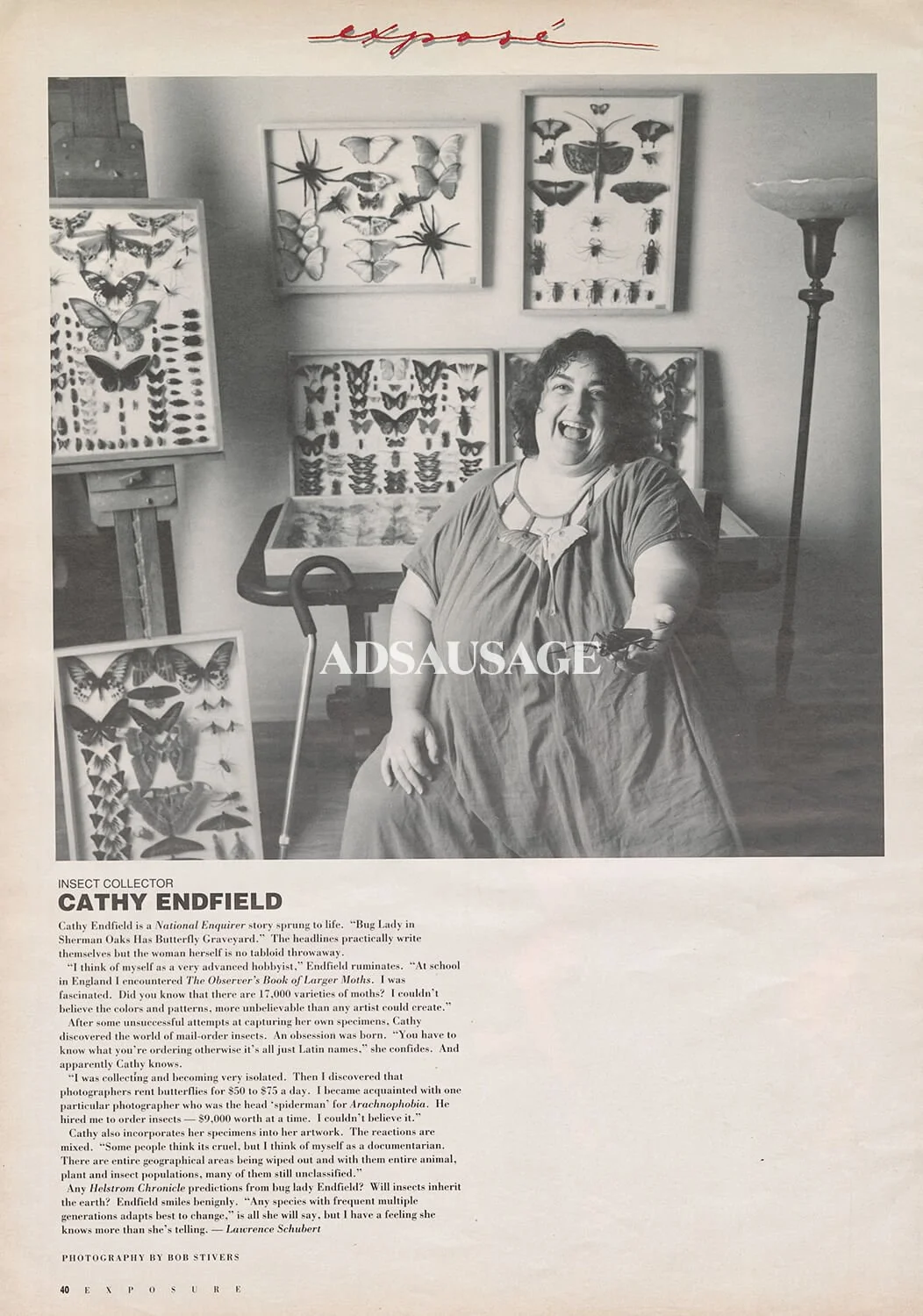
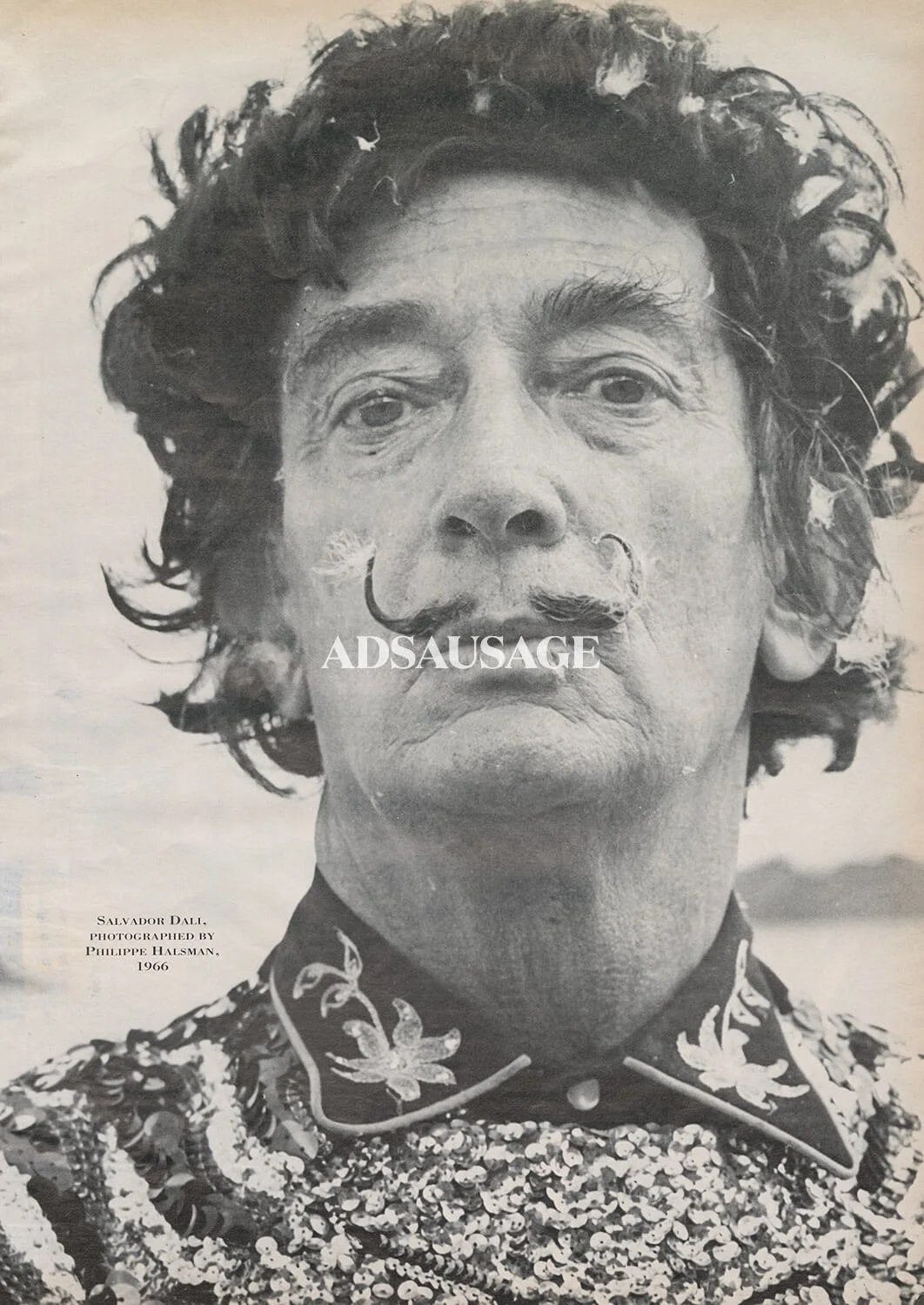
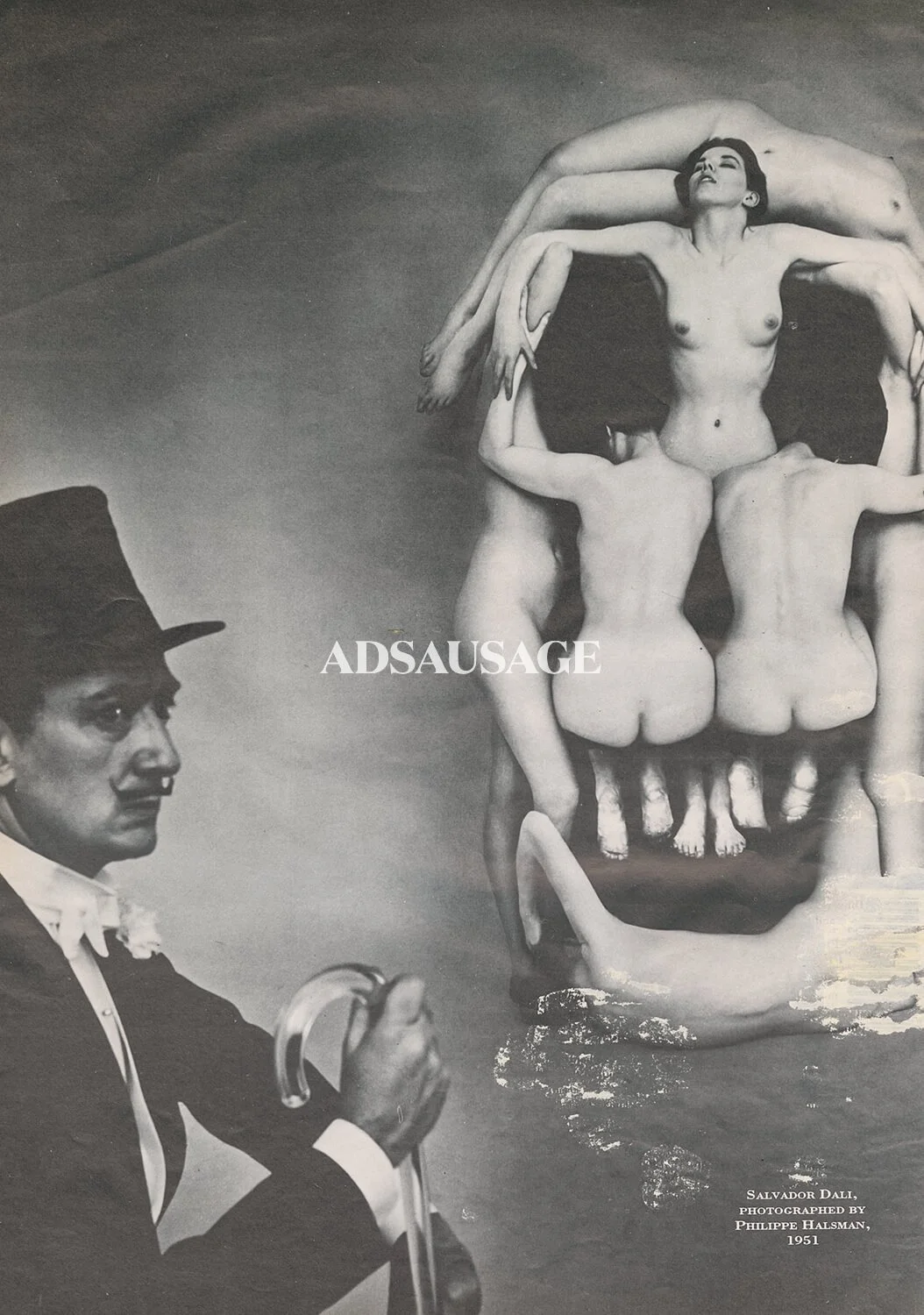
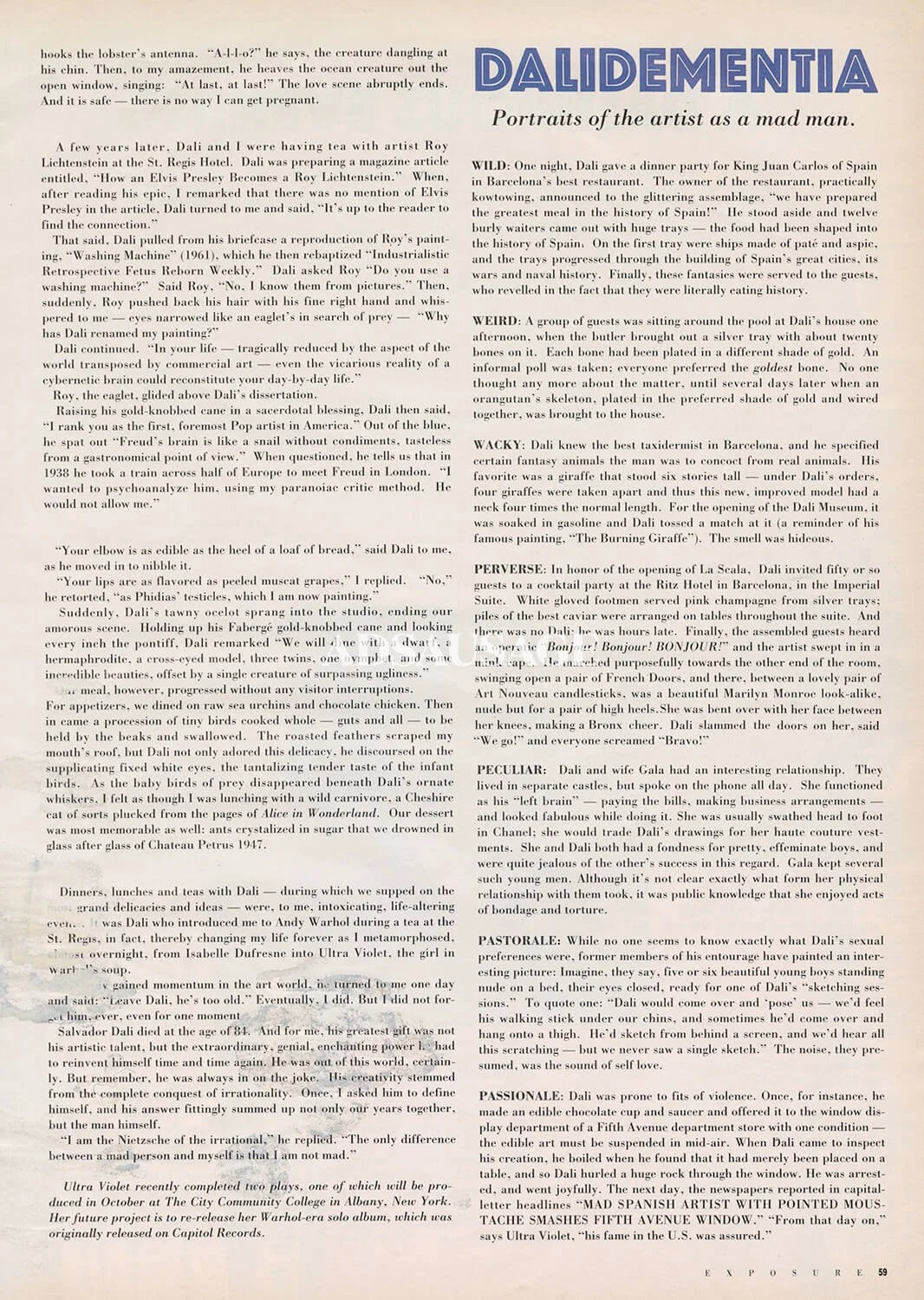
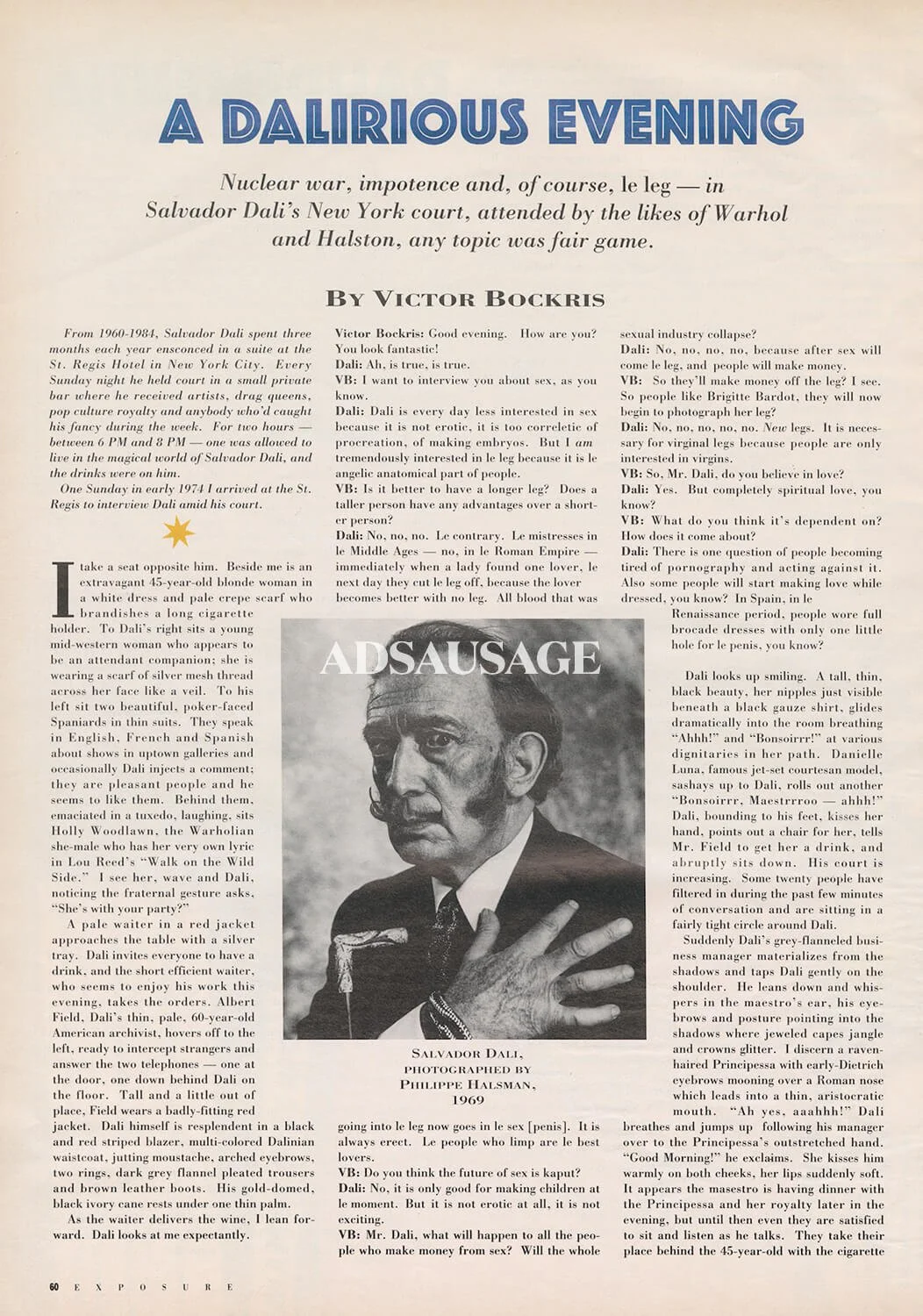
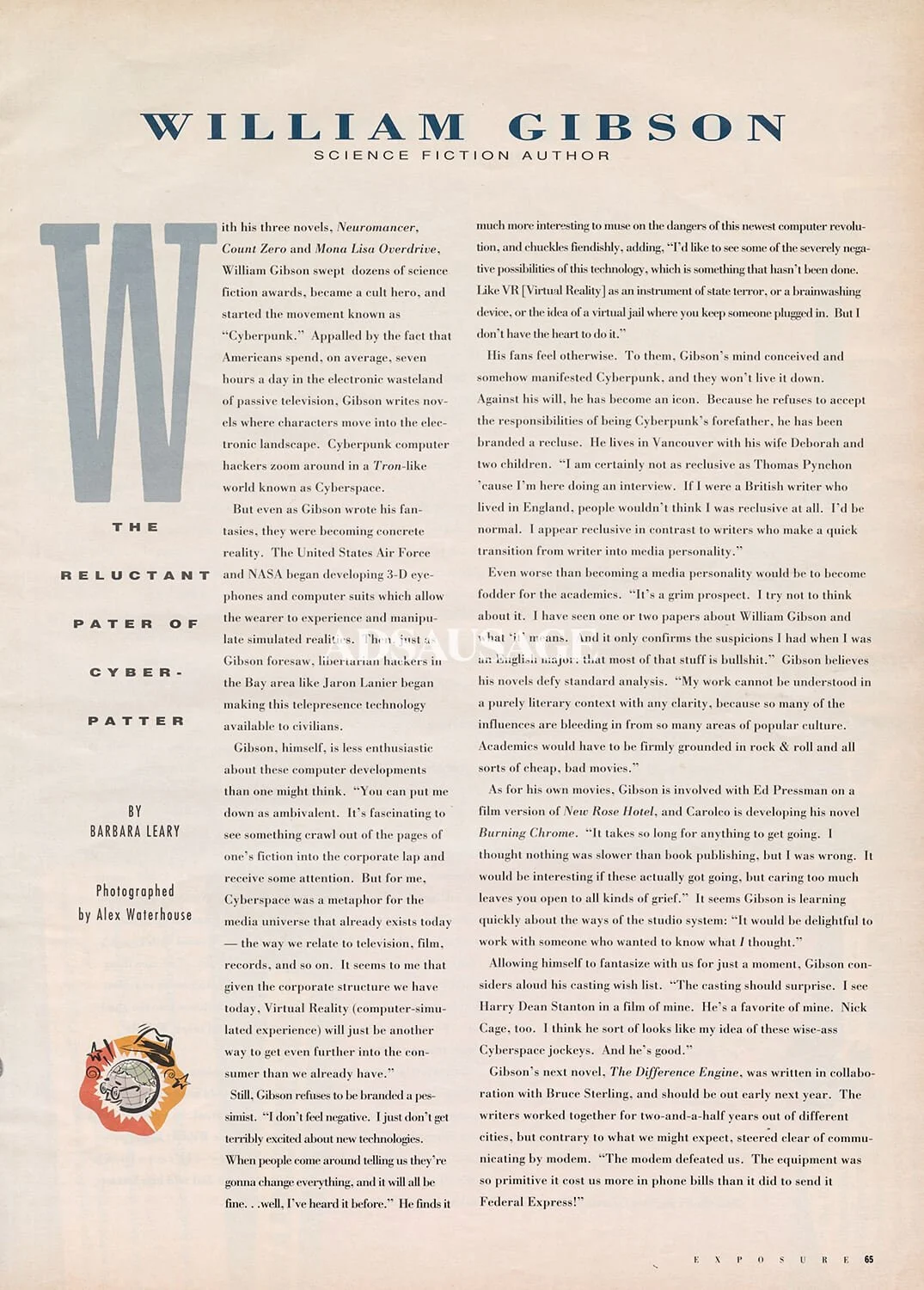
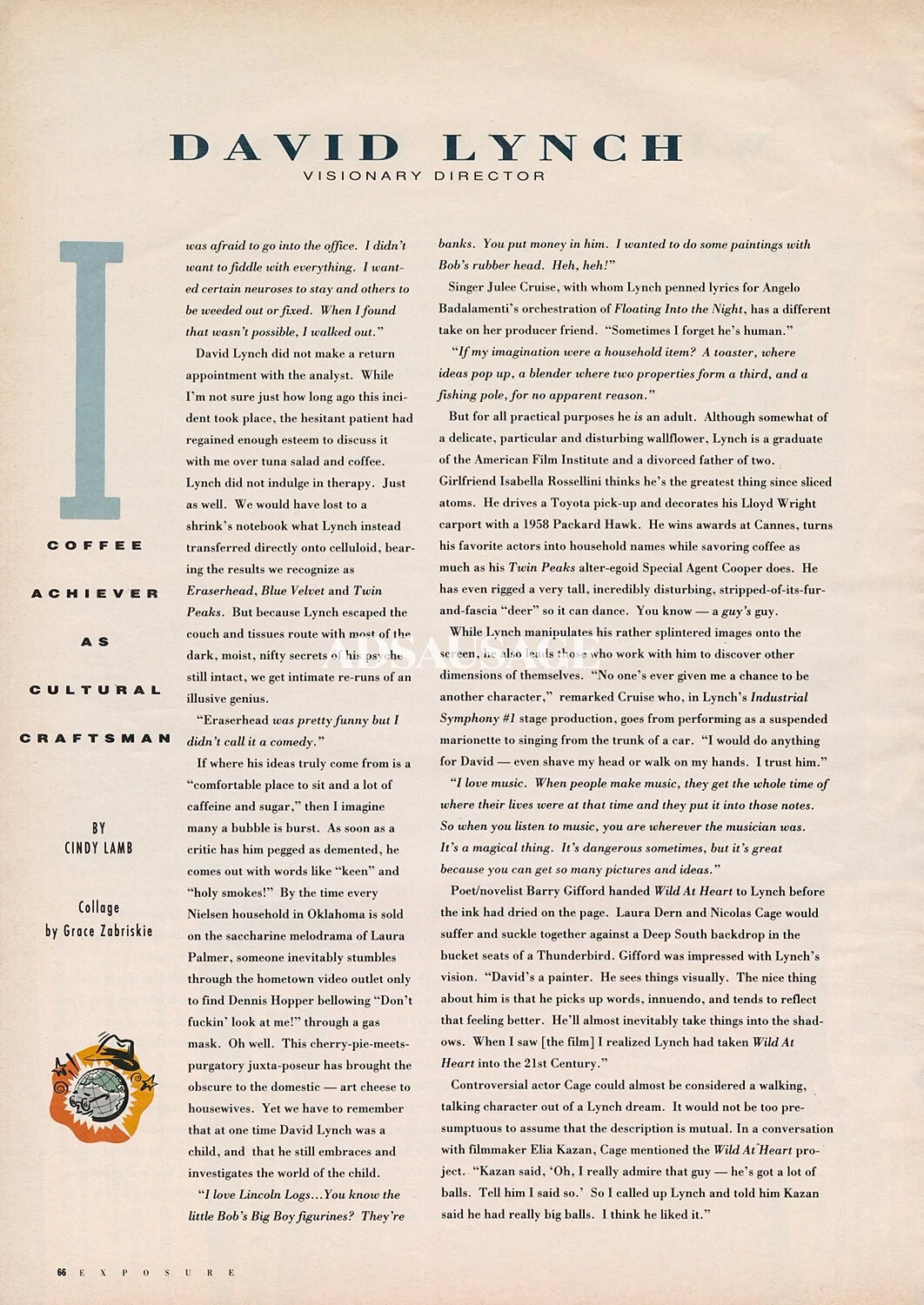
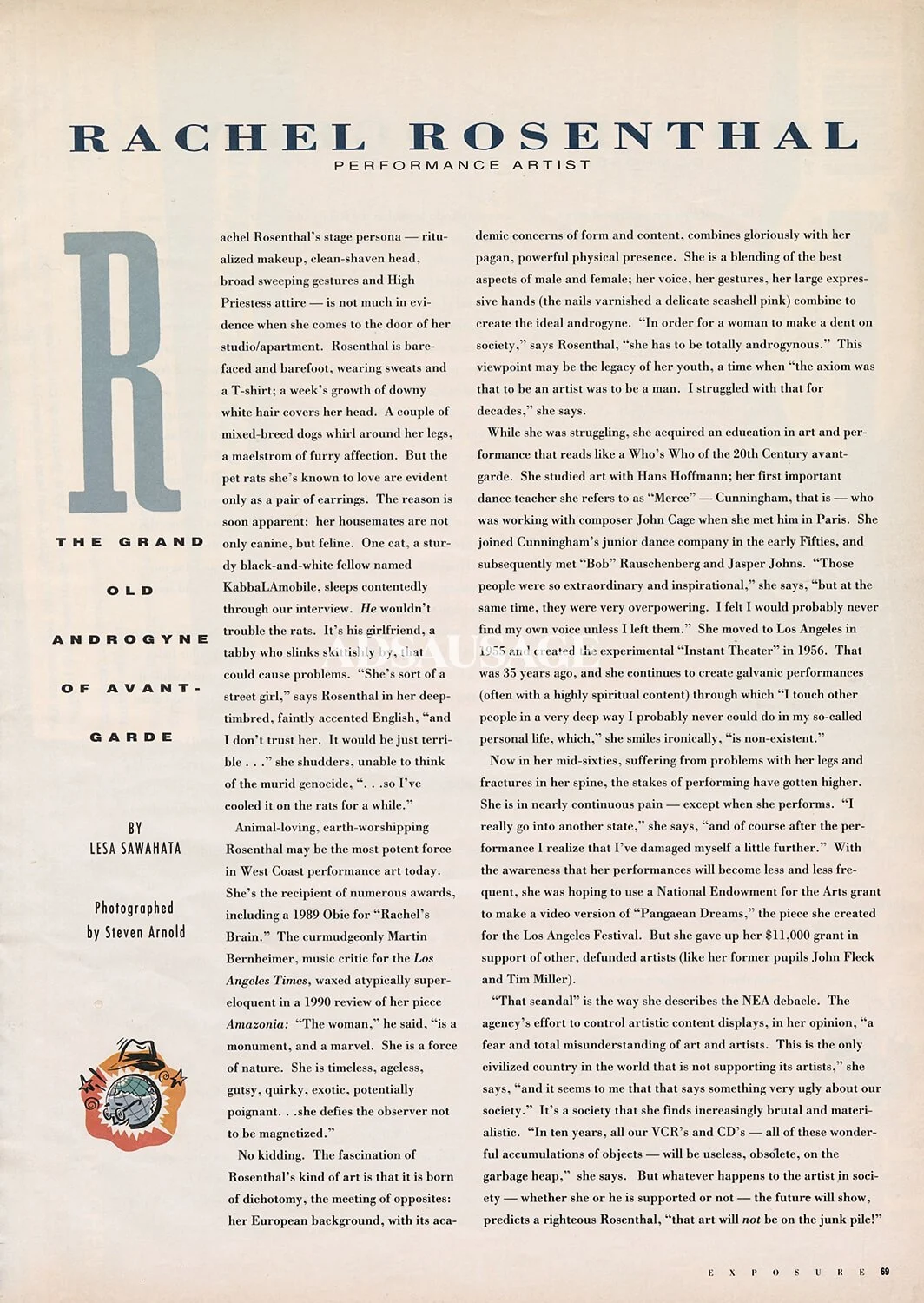
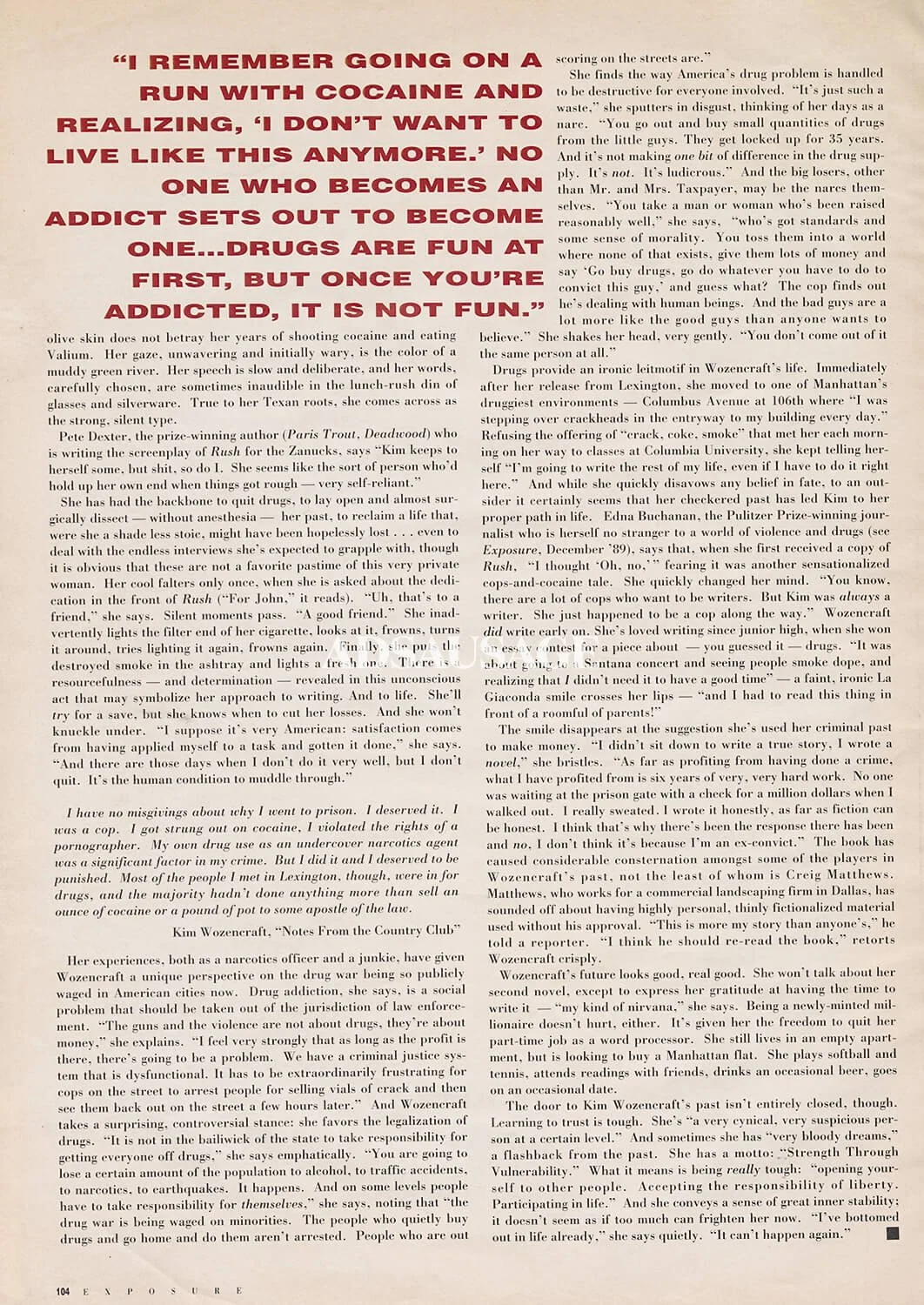
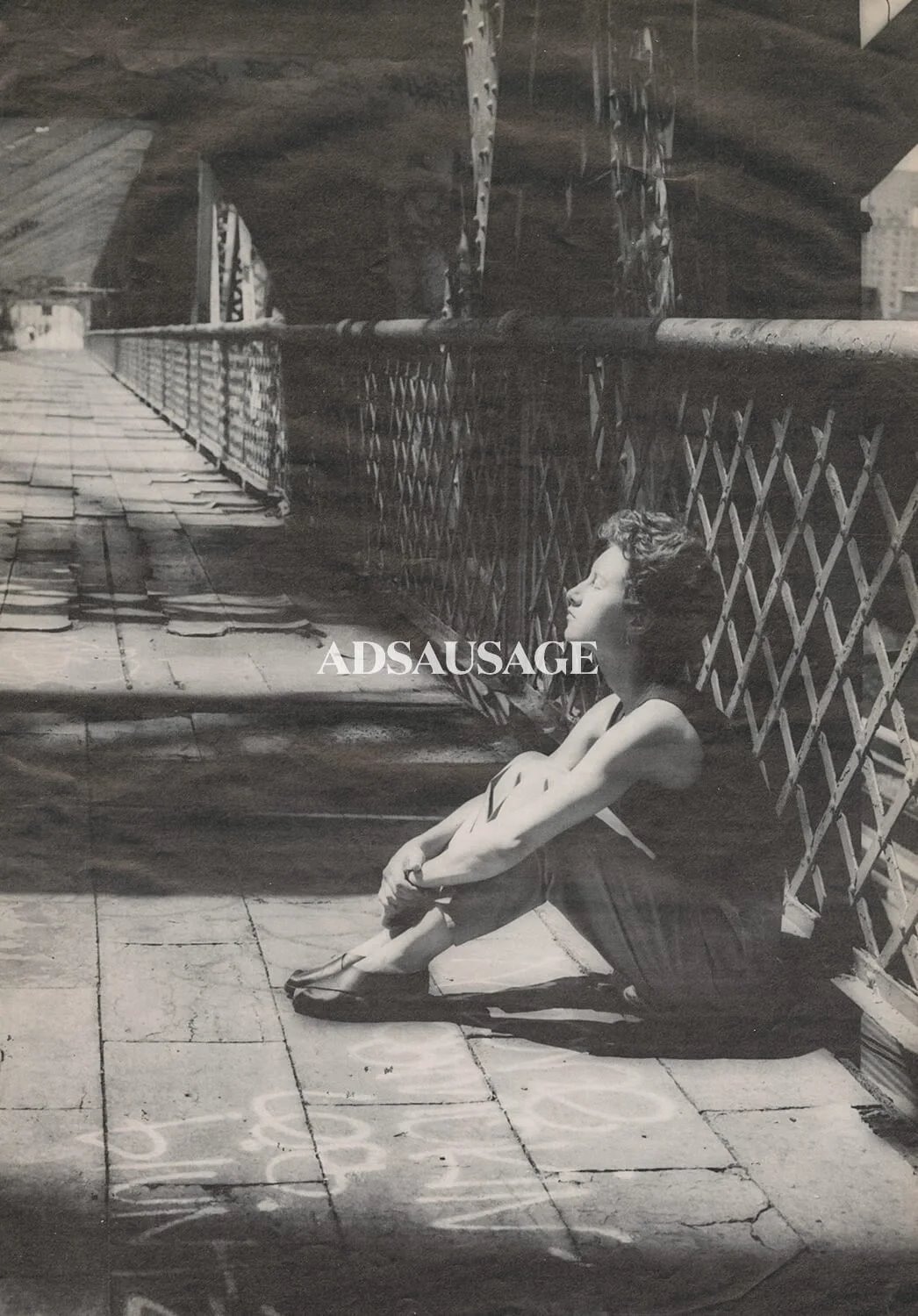
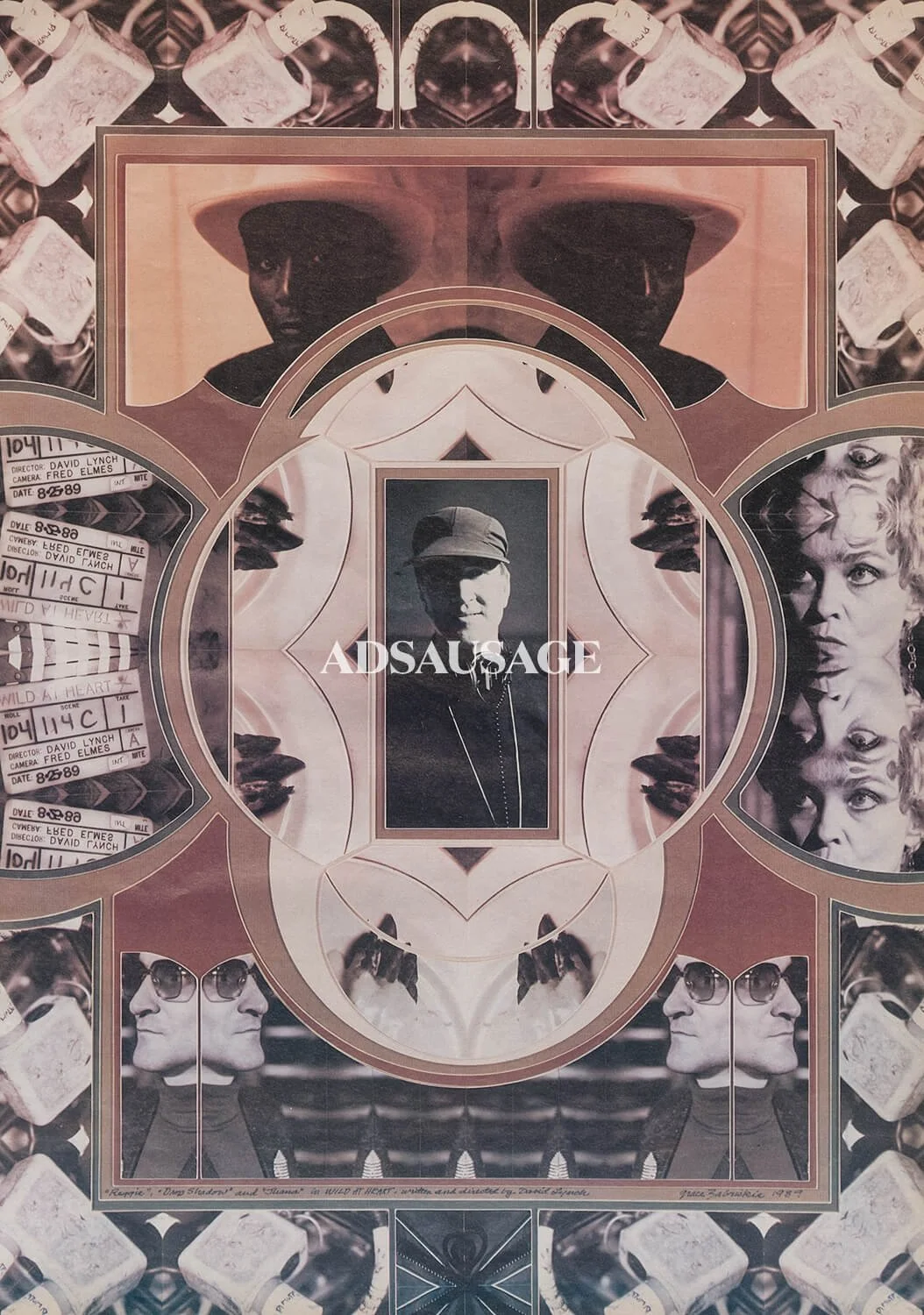
Founded in 1986 by USC grad Henry M. Shea Jr., Exposure was a large format, bi-monthly magazine. Distributed nationally, as well as in Canada, Europe and Japan, the title debuted in 1988. Fellow USC grad, Cavin Shorter, was Editor-in-Chief.
Despite making the scene, hosting events (“Harley’s for the Homeless”) and collaborations with nouveau eateries such as Mario Tamayo’s Cafe Mambo, the au courant publication was being blitzed. Rumors surrounding a possible sale began in mid-1989.
The talking stage was over — Exposure was purchased by Fairchild Publishing soon after. Citing a “soft advertising market”, Fairchild took the economic decision to change the office locks in late-1990. One of the final pieces featured Ike Turner; interviewed from the big house in San Luis Obispo. The singer was doing time for an “under the influence” probation violation.
Shea was later involved with trade and exhibitions, and published Shop Lift Magazine.
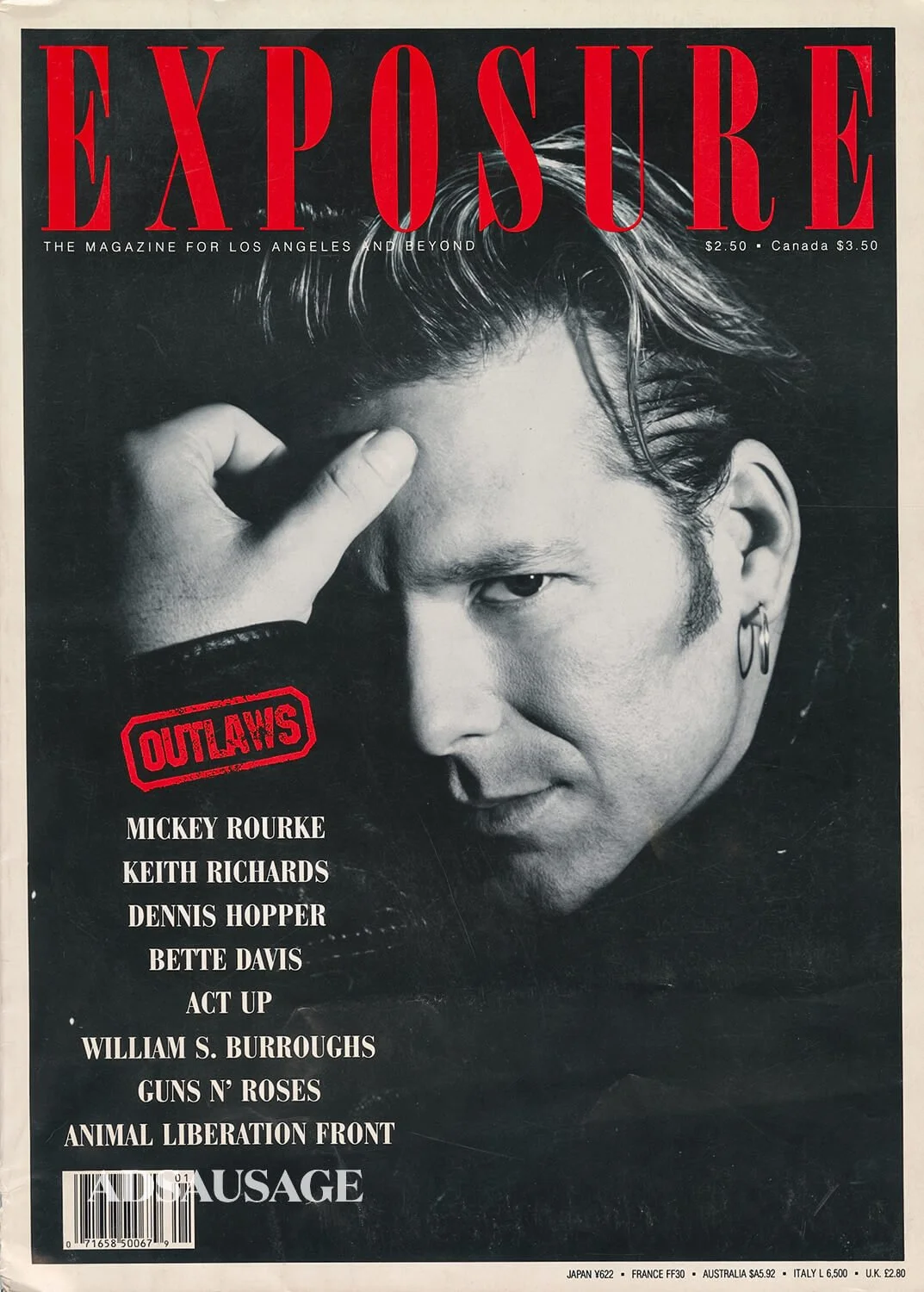
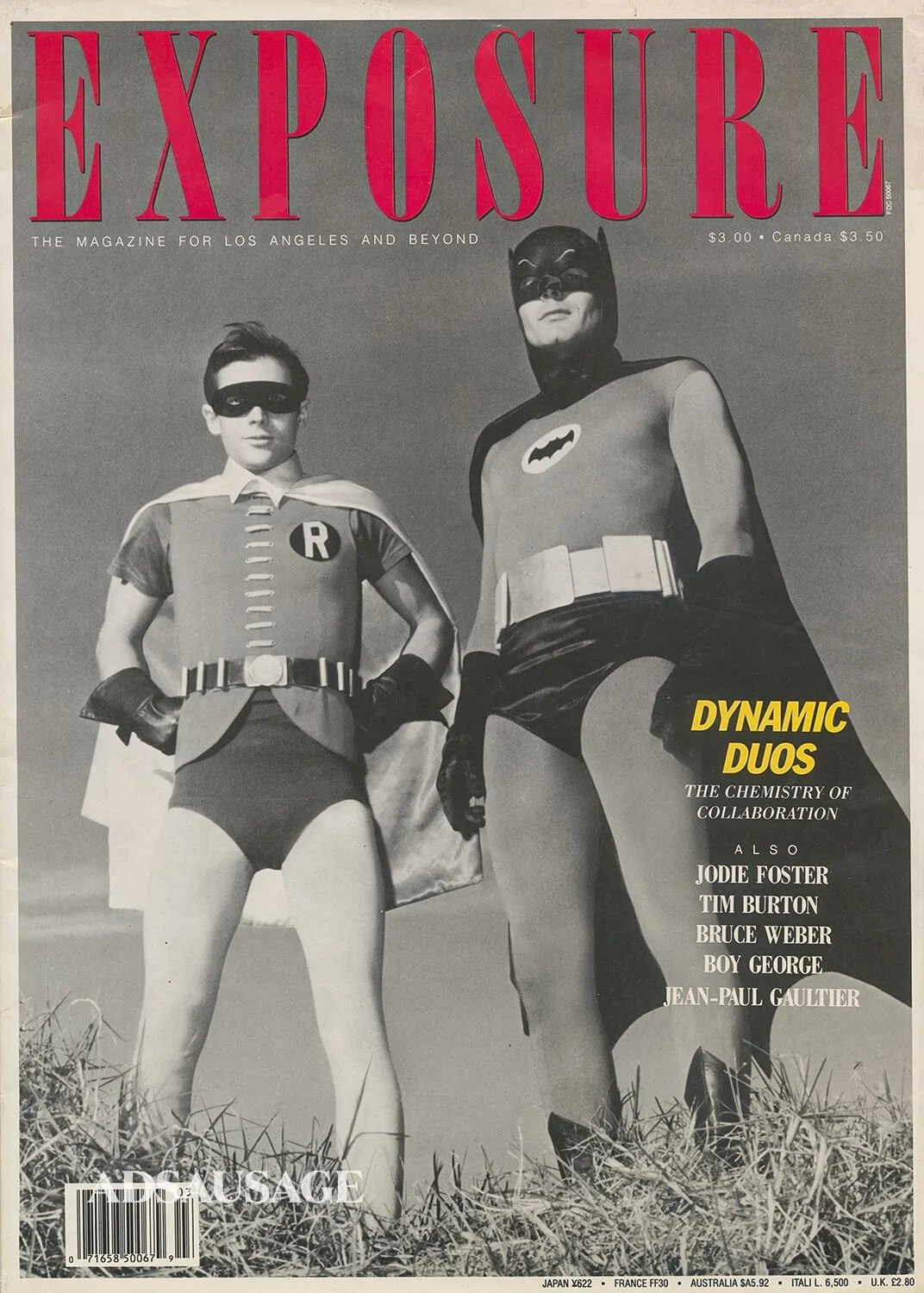
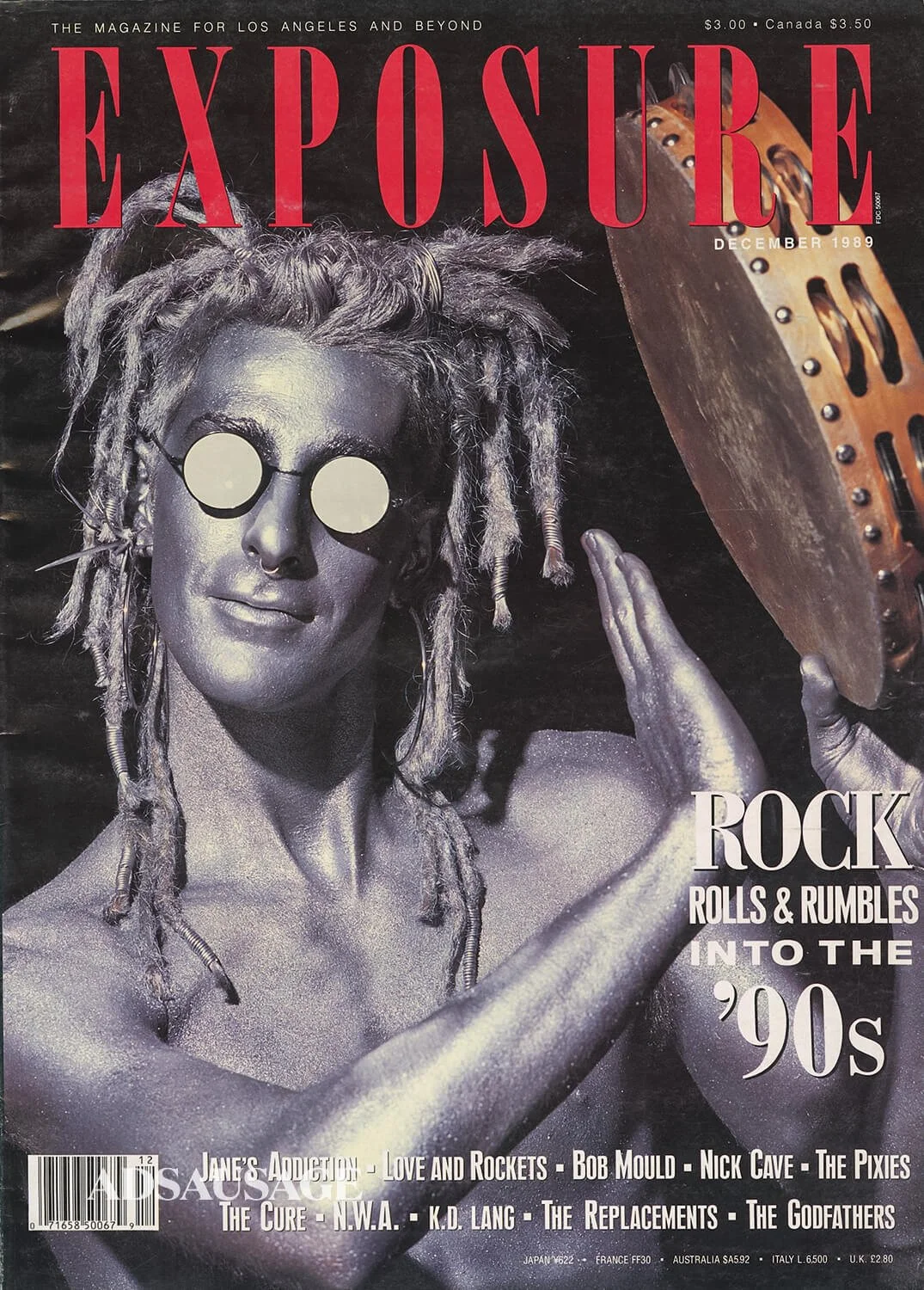
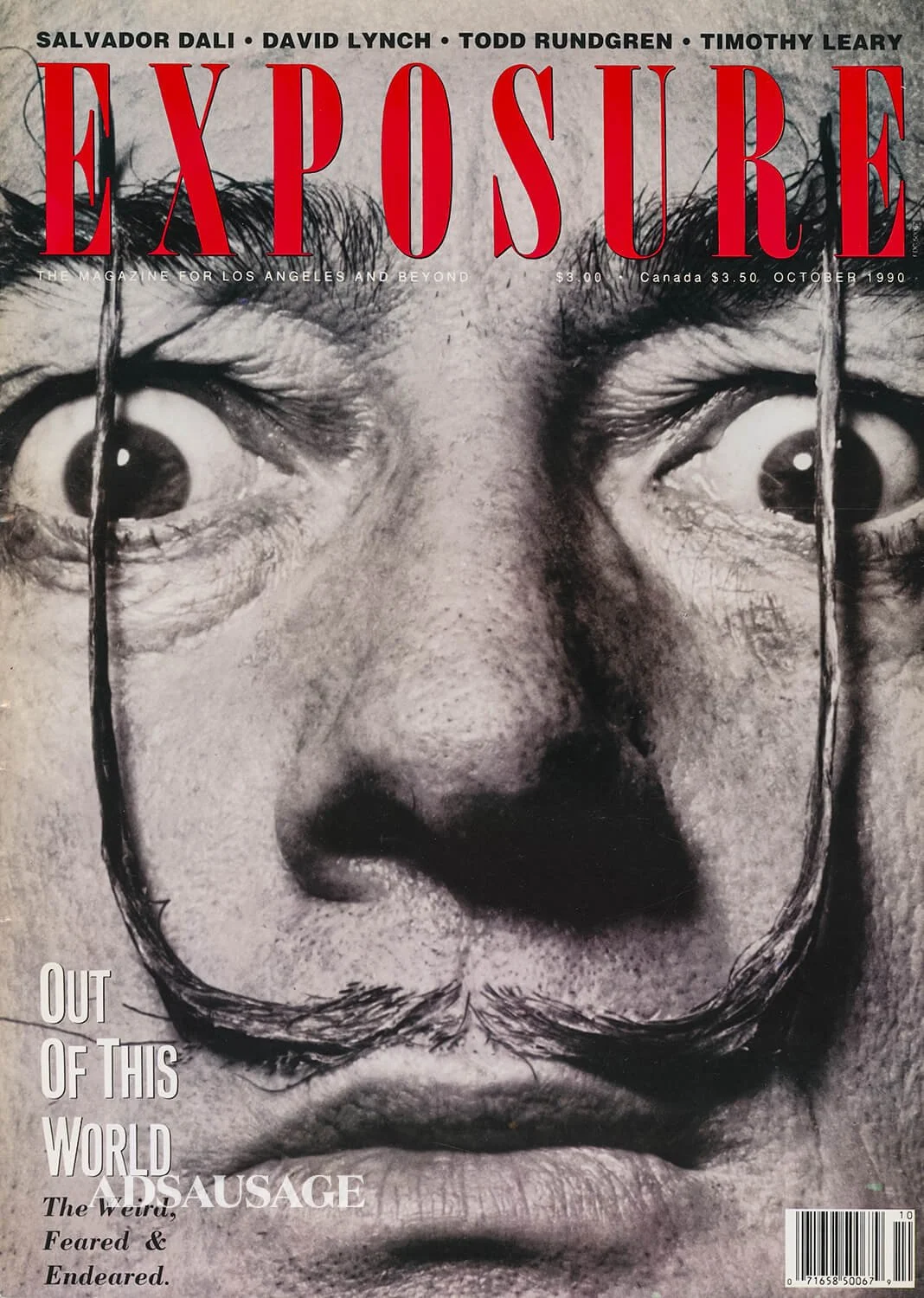
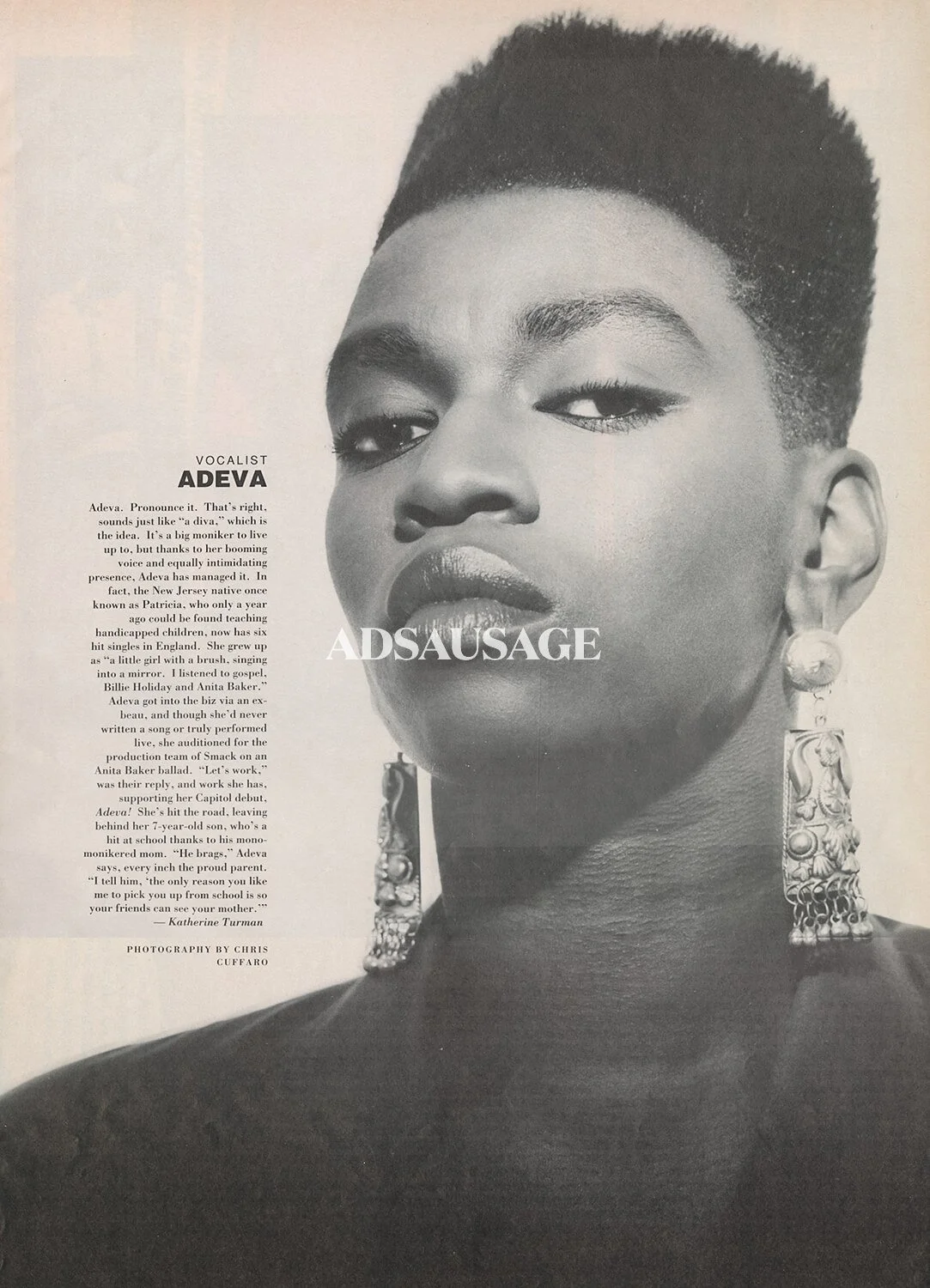
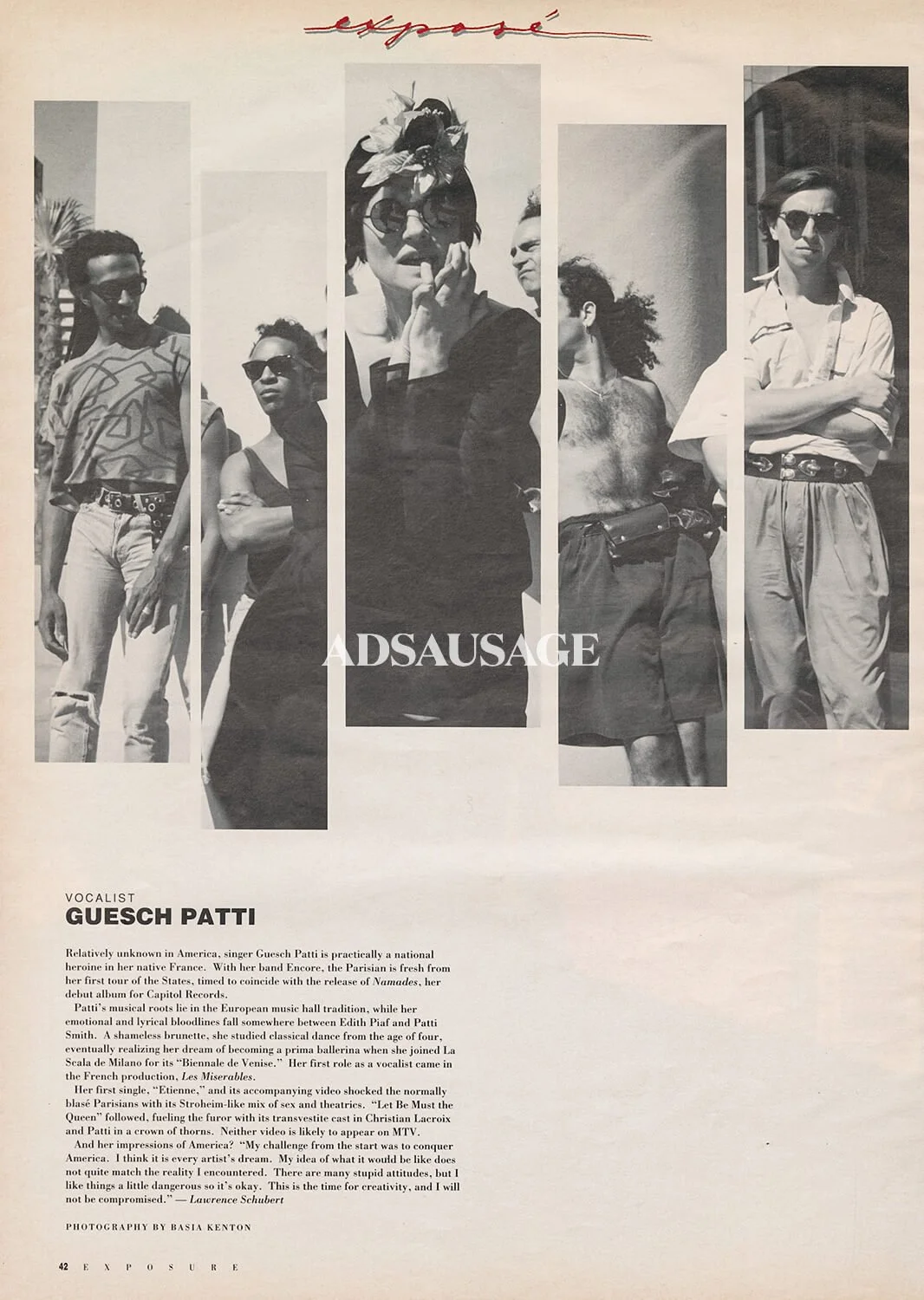
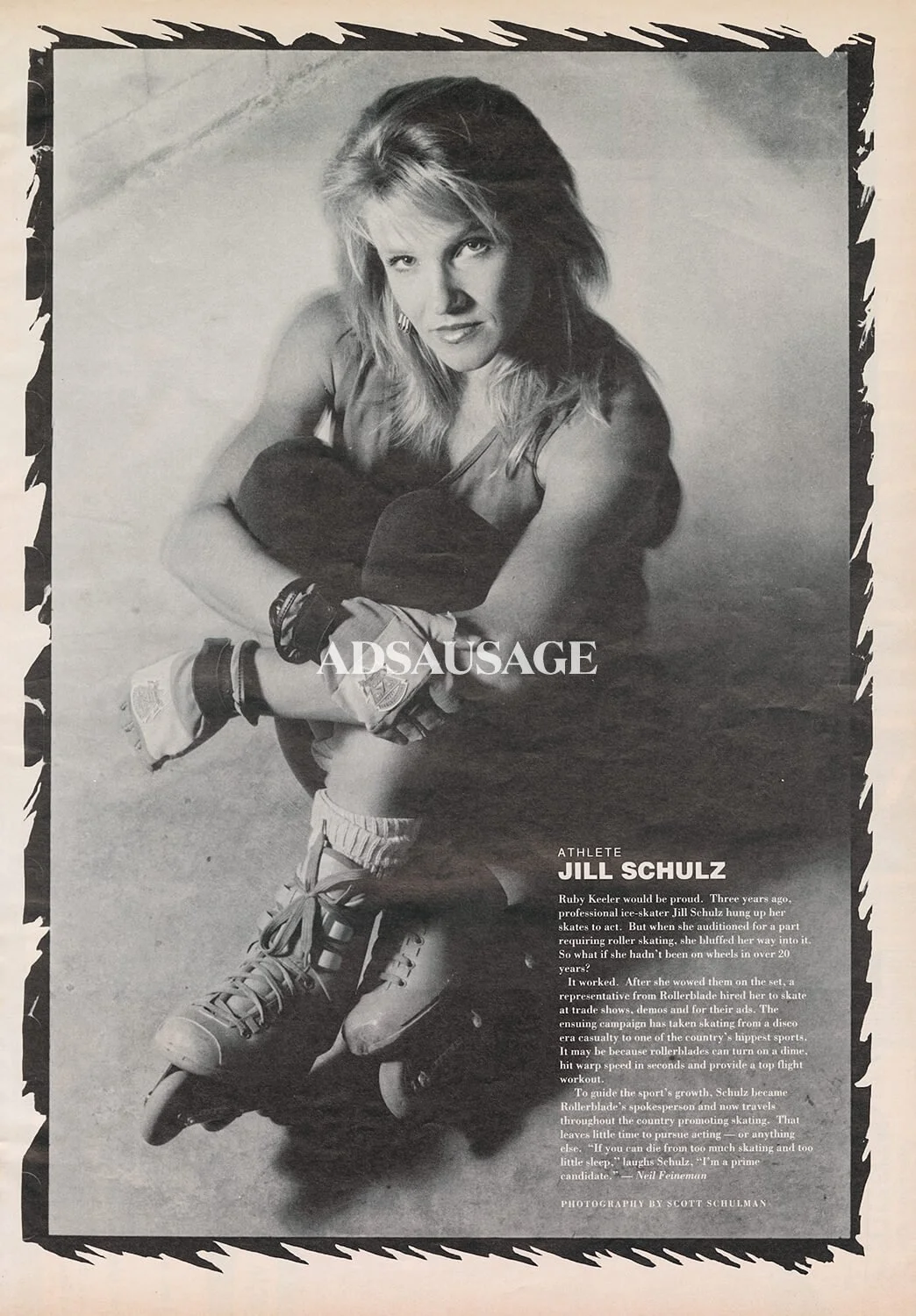
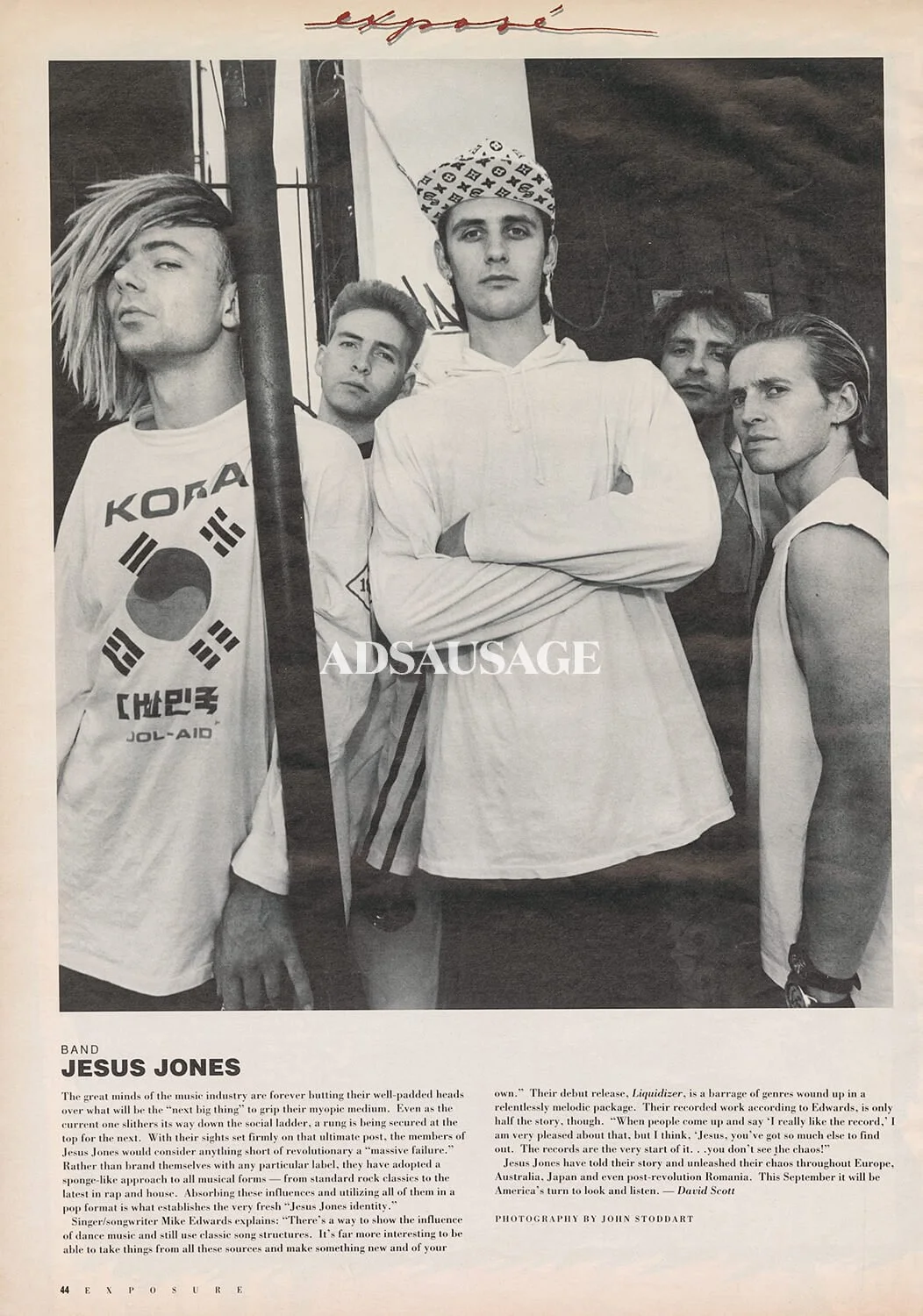
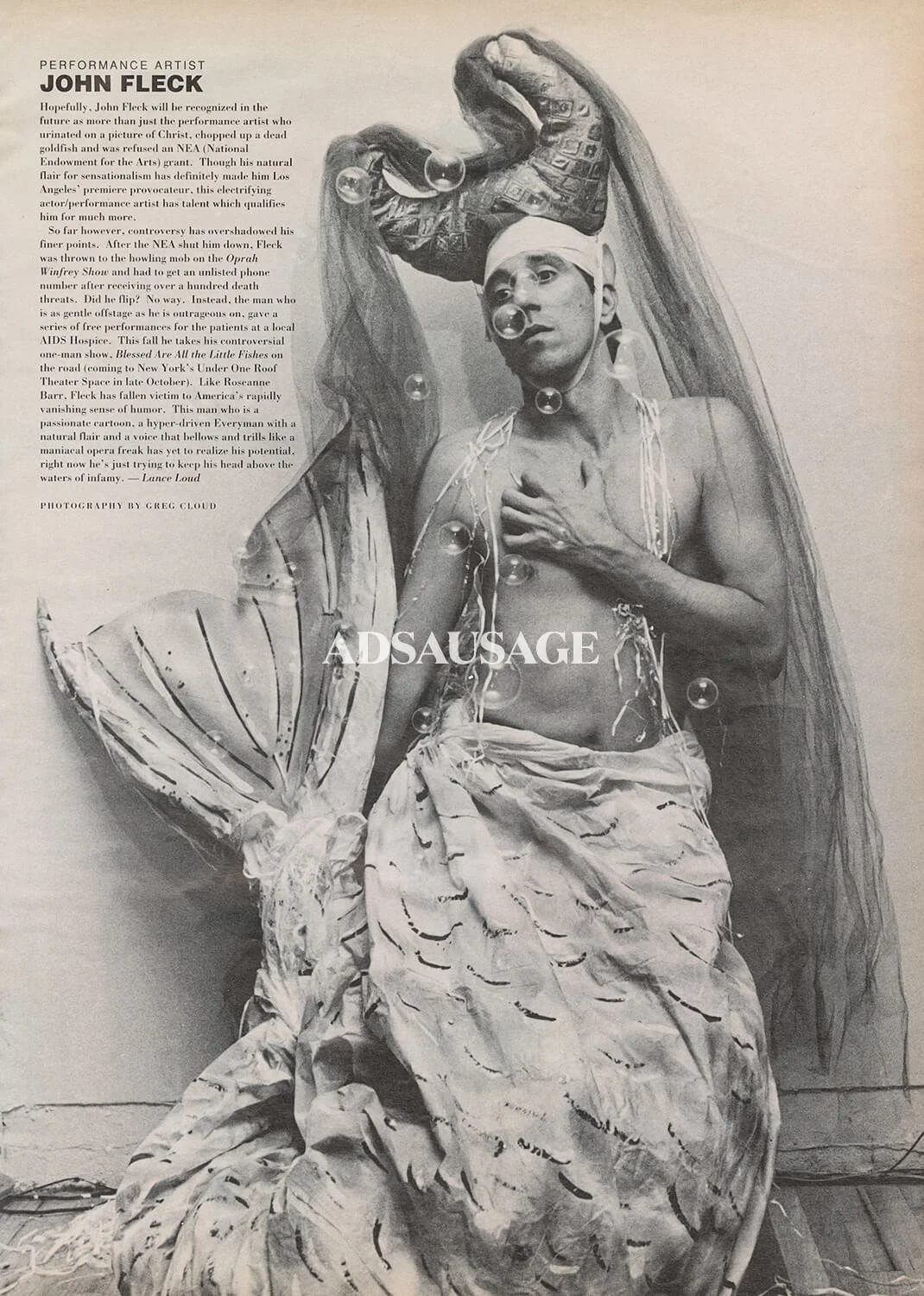
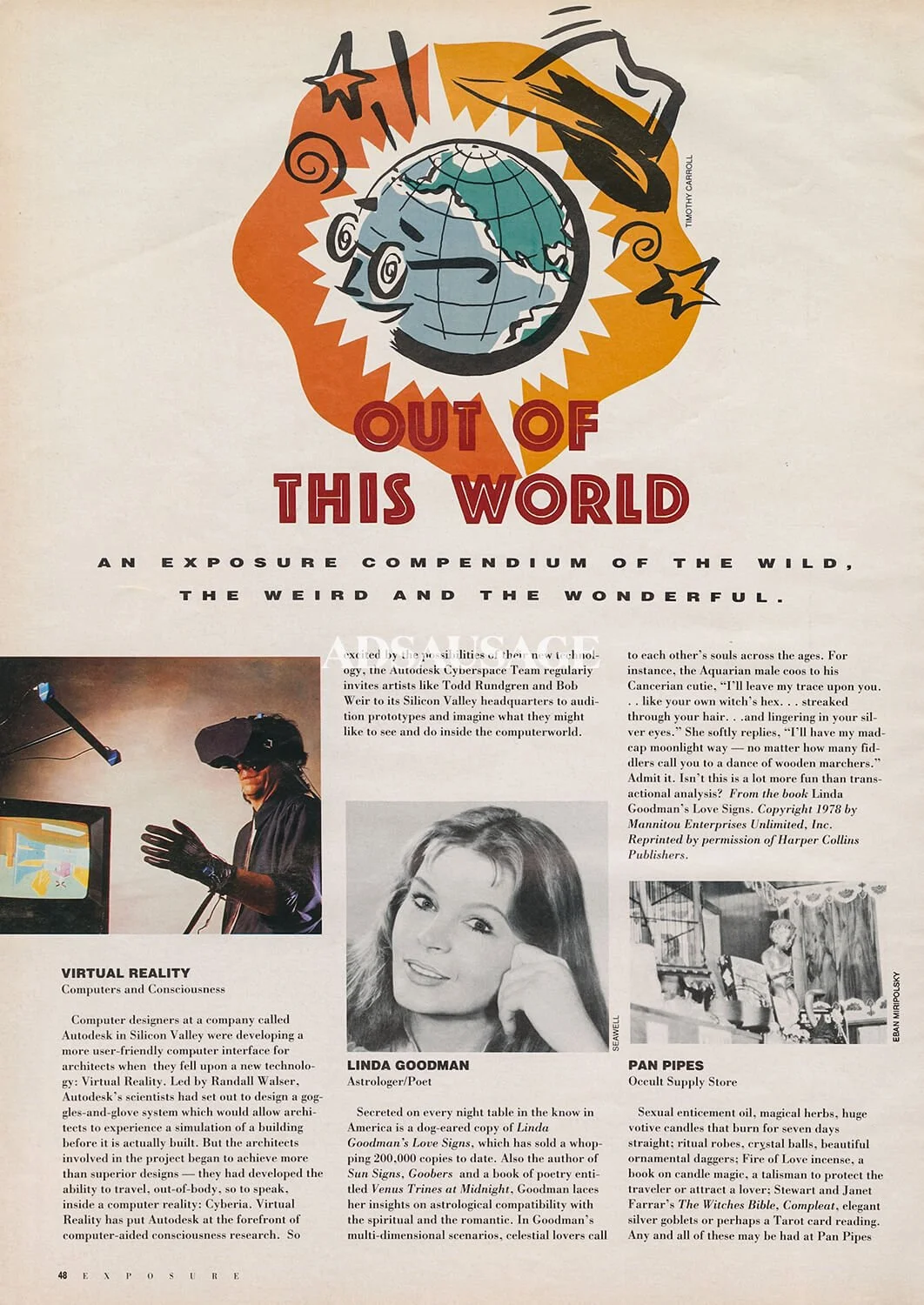
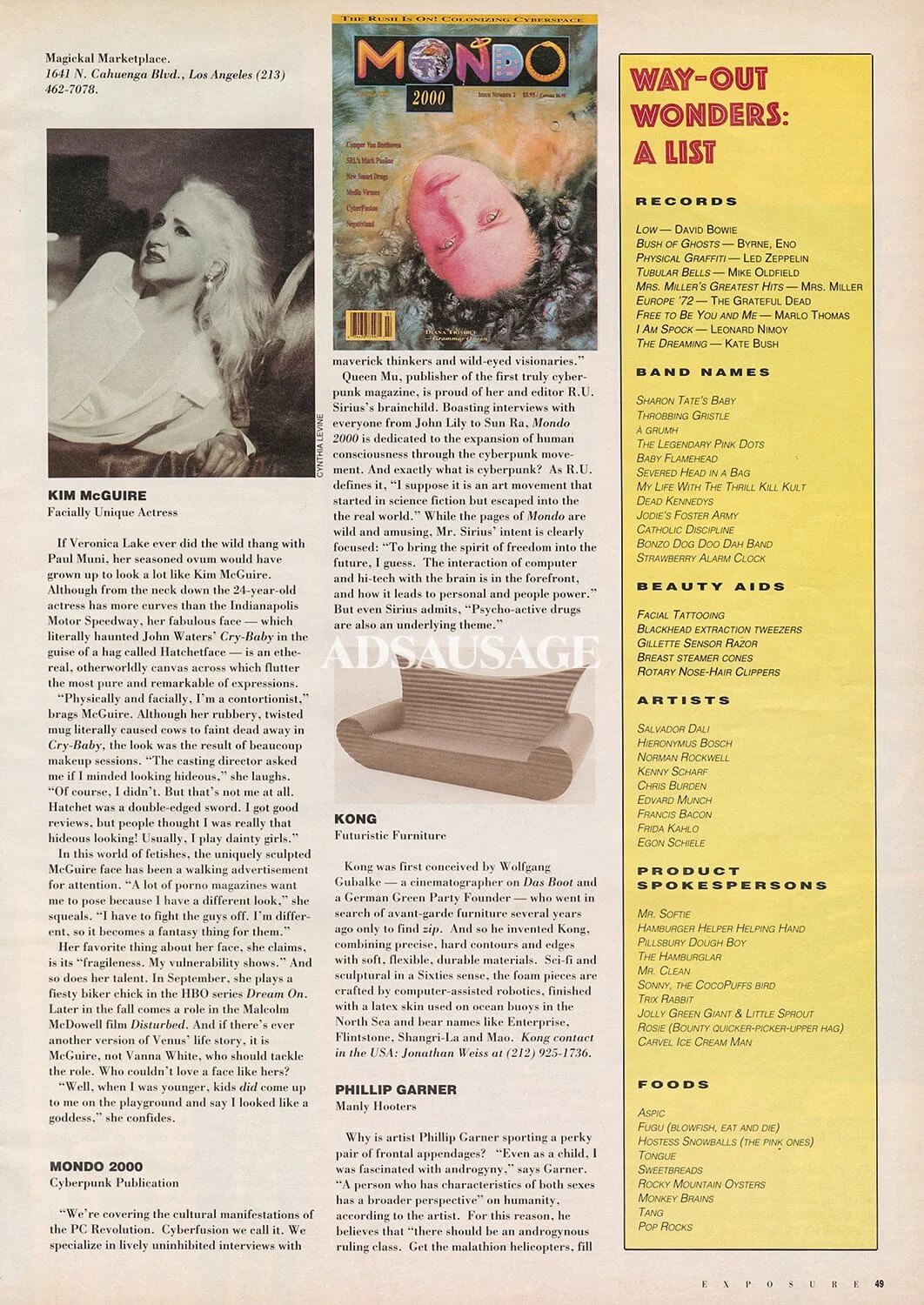
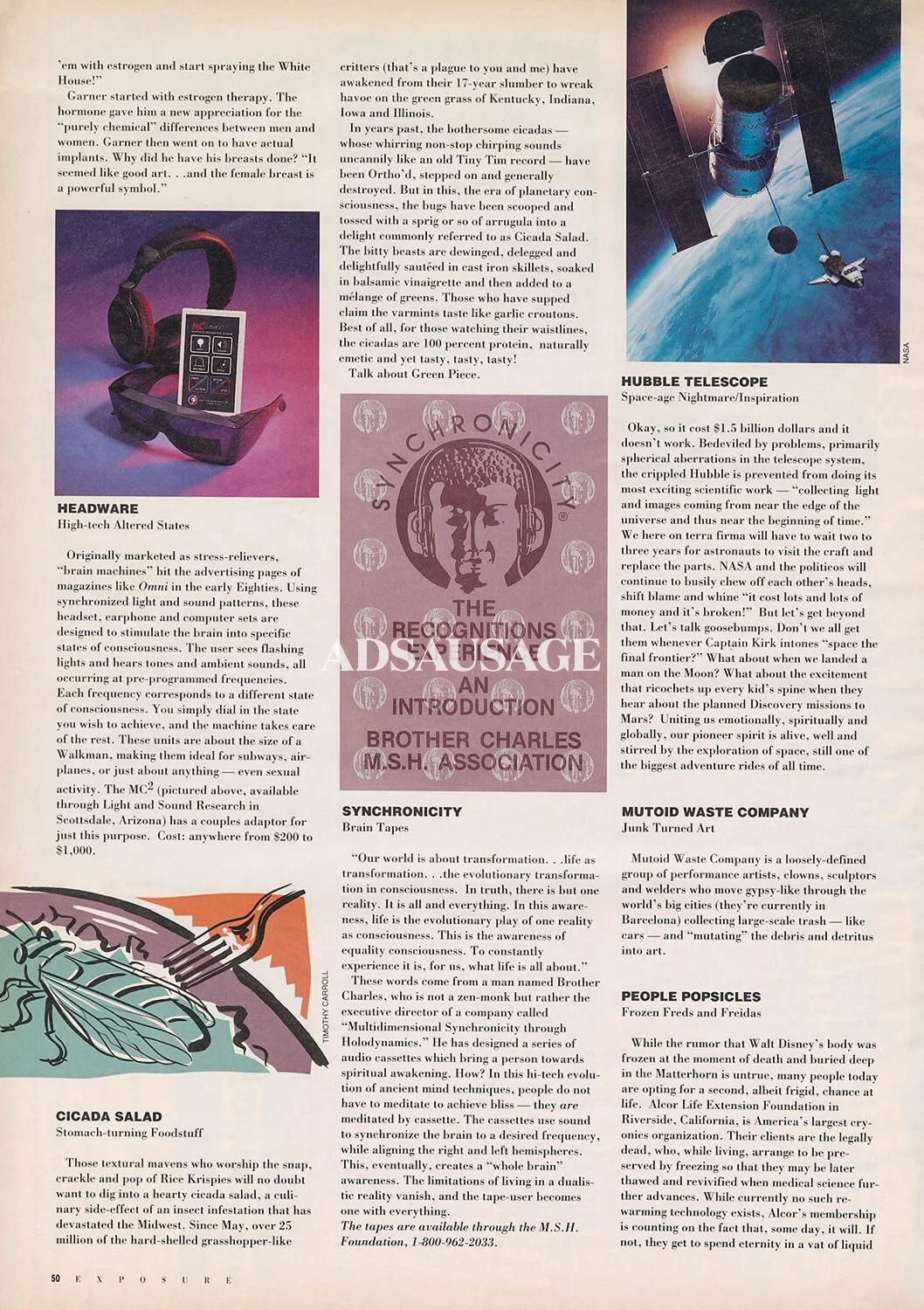
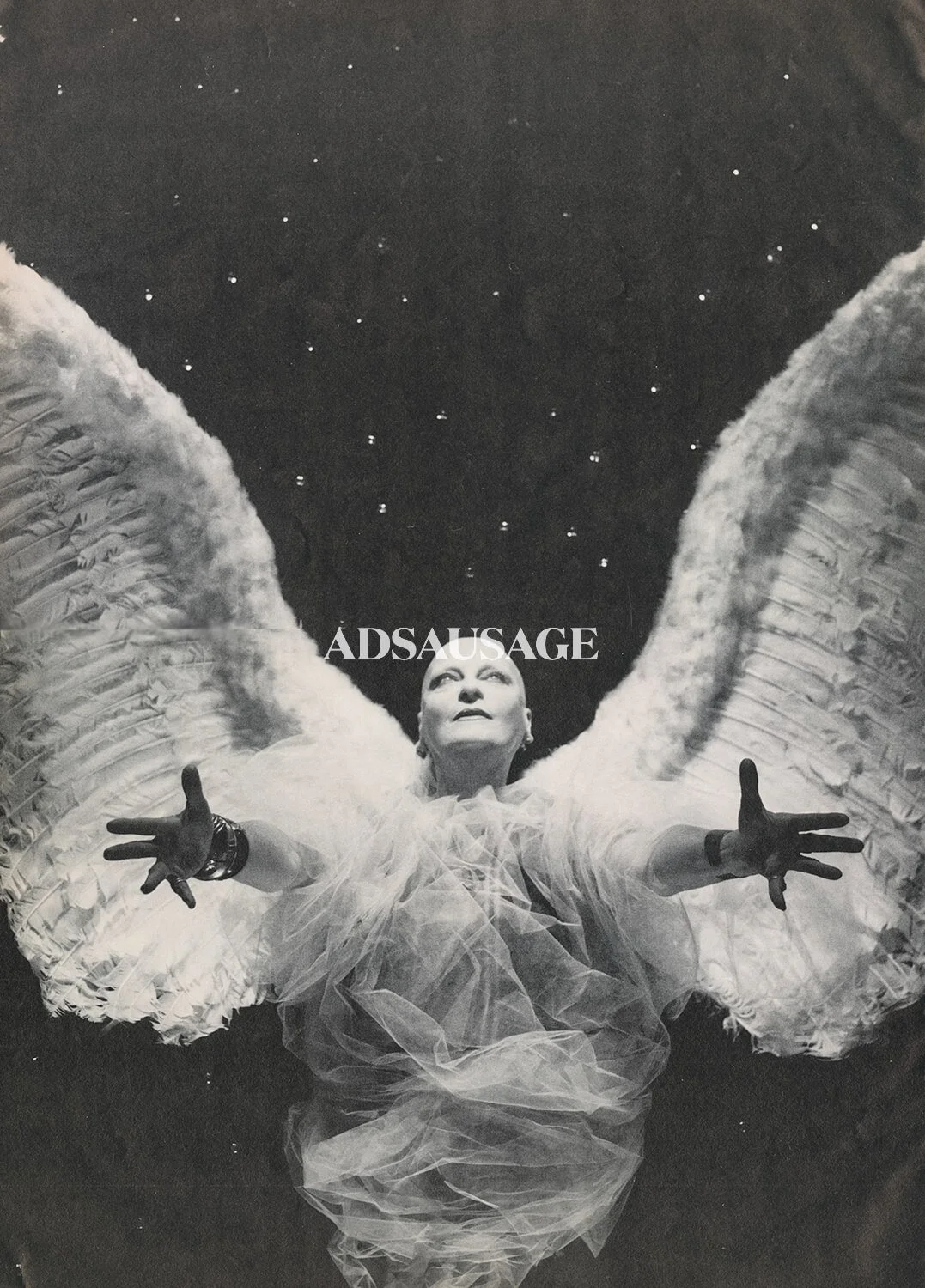
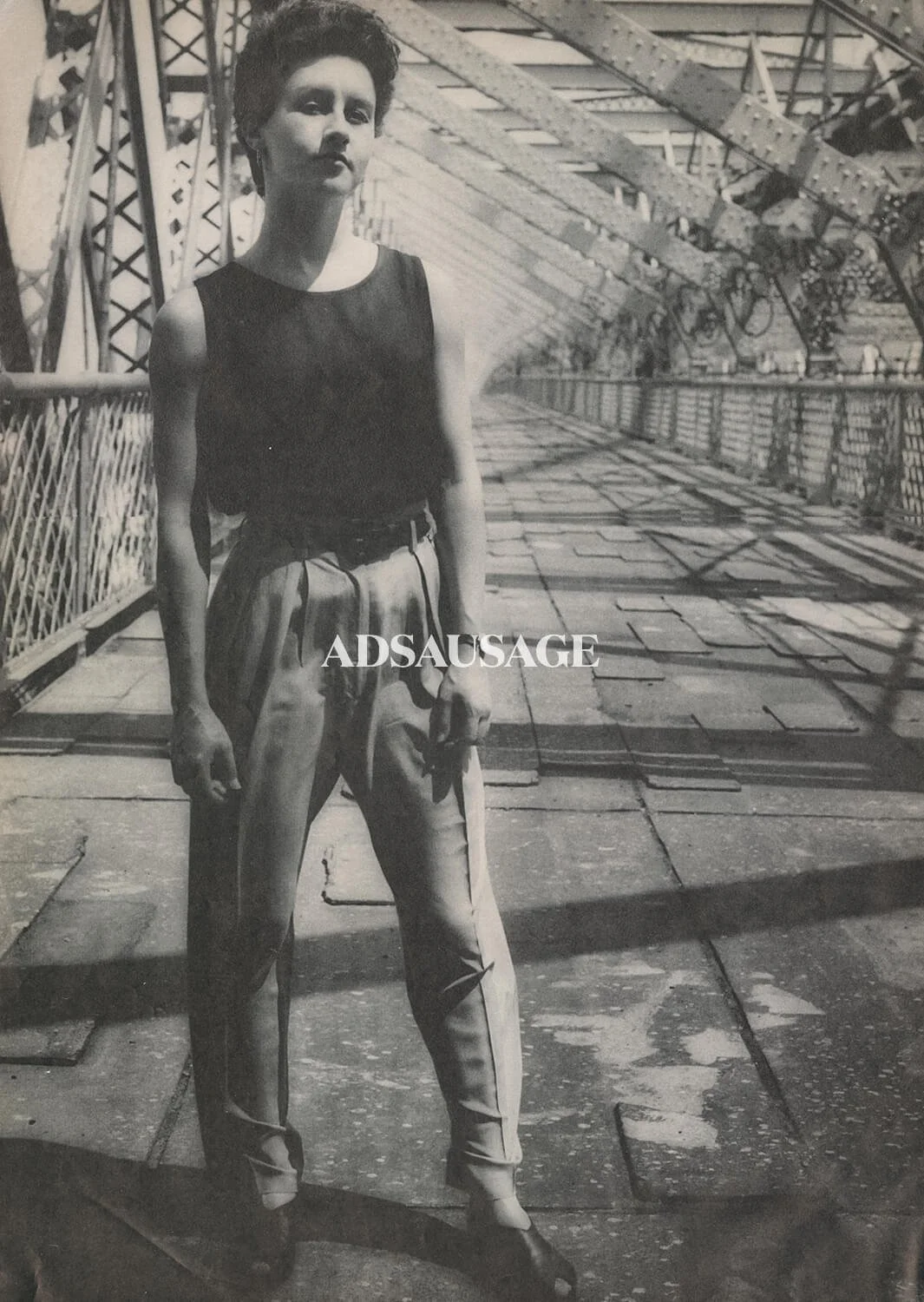
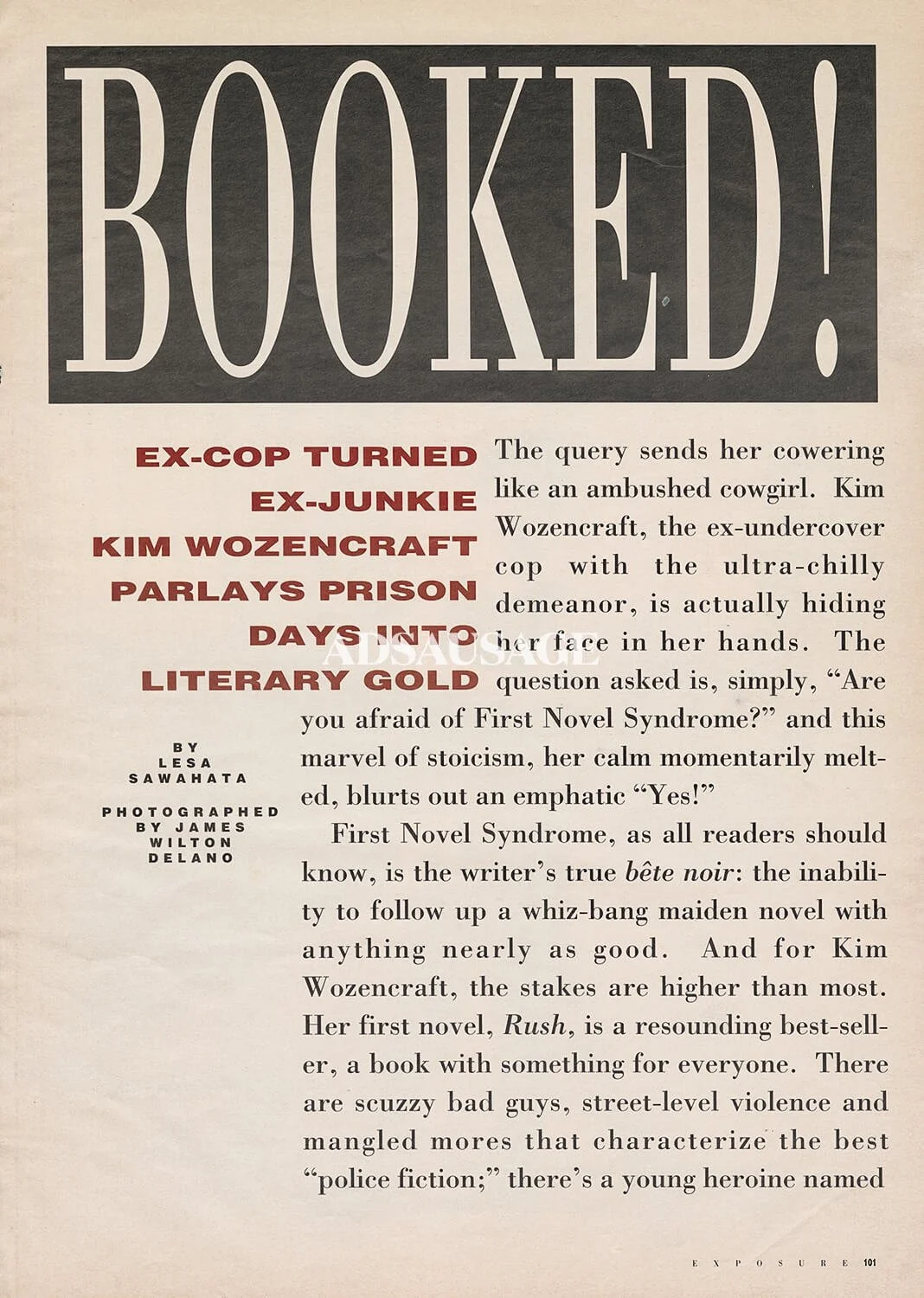
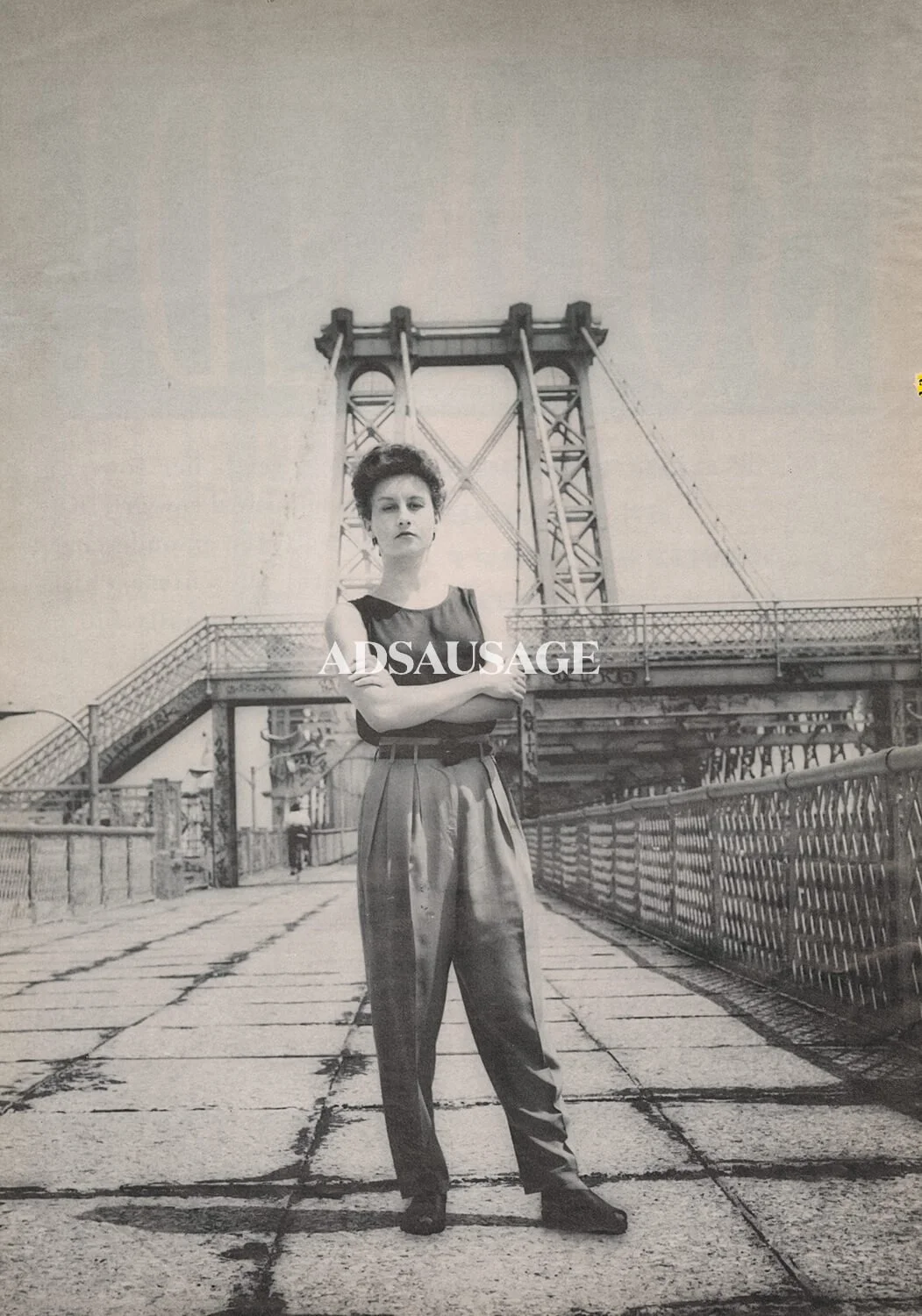
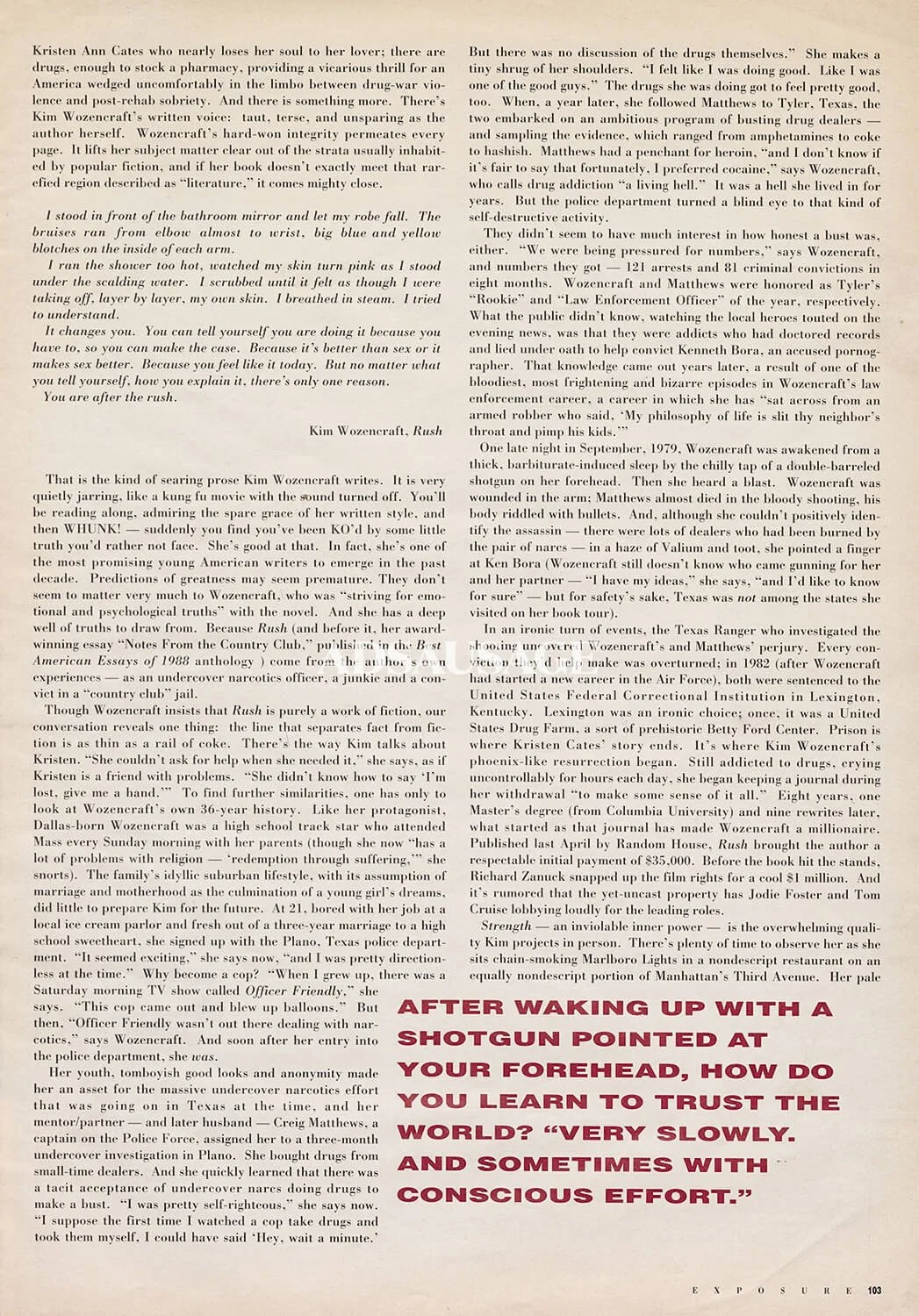
Exposure Magazine, 1988
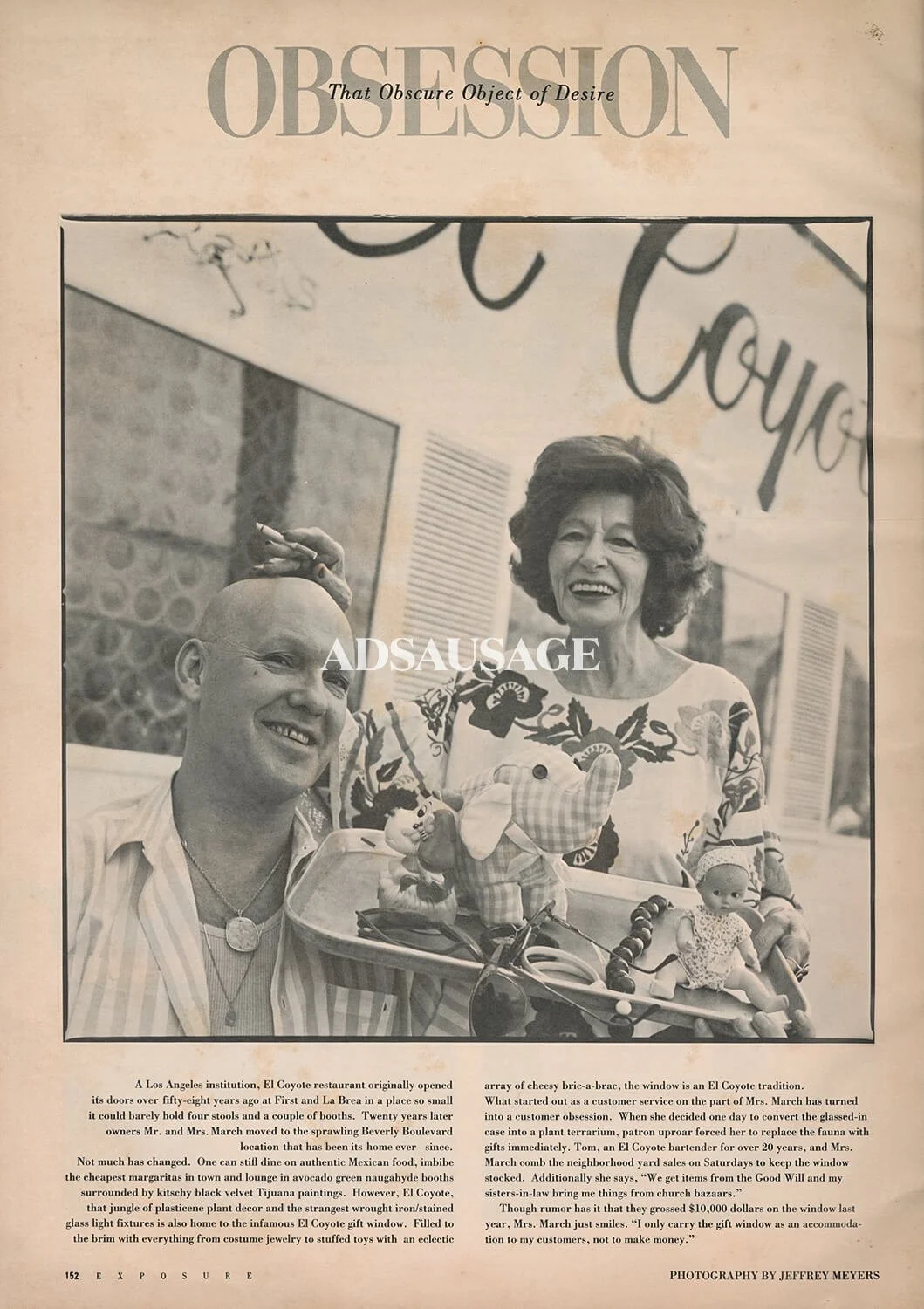
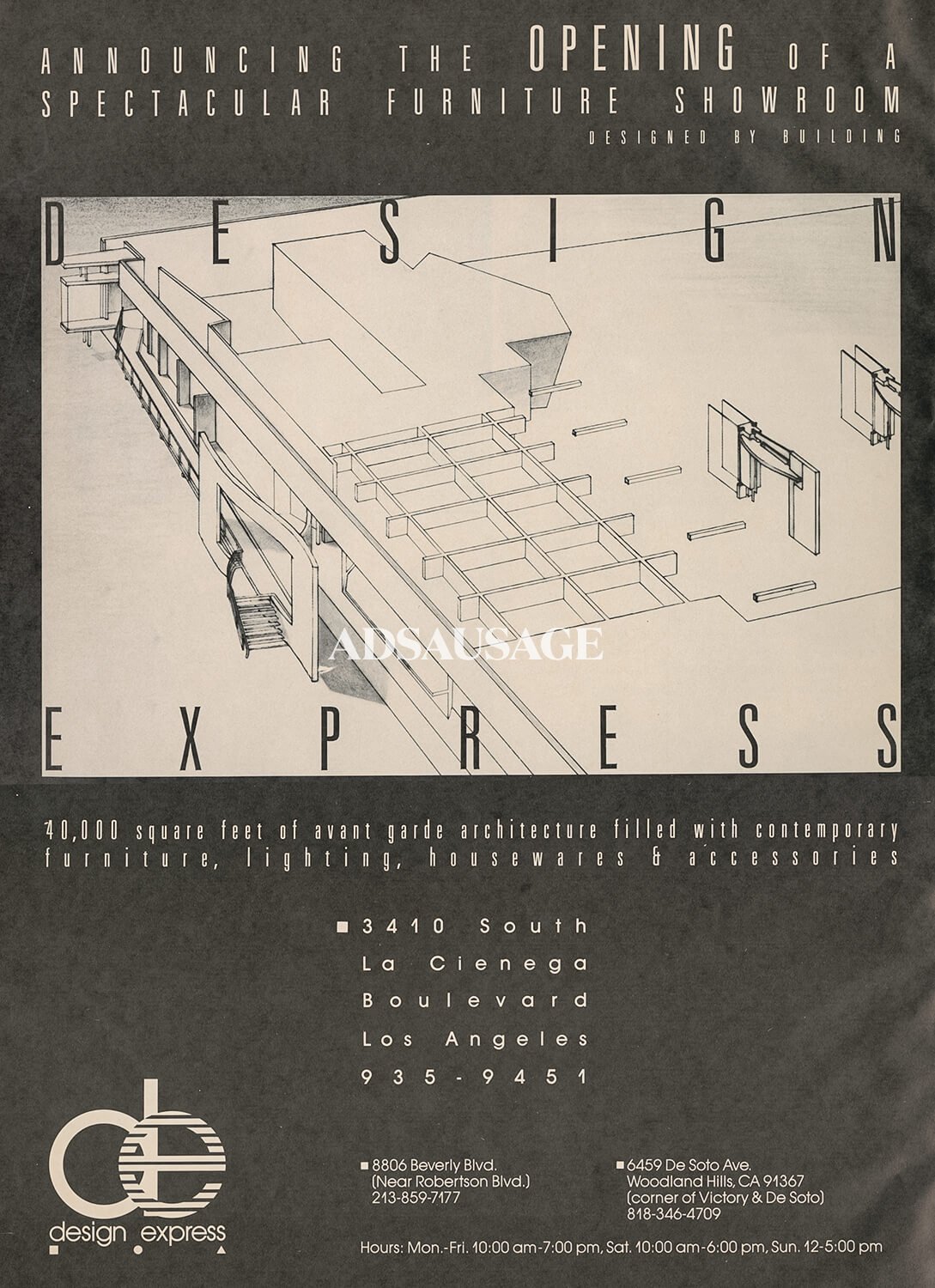
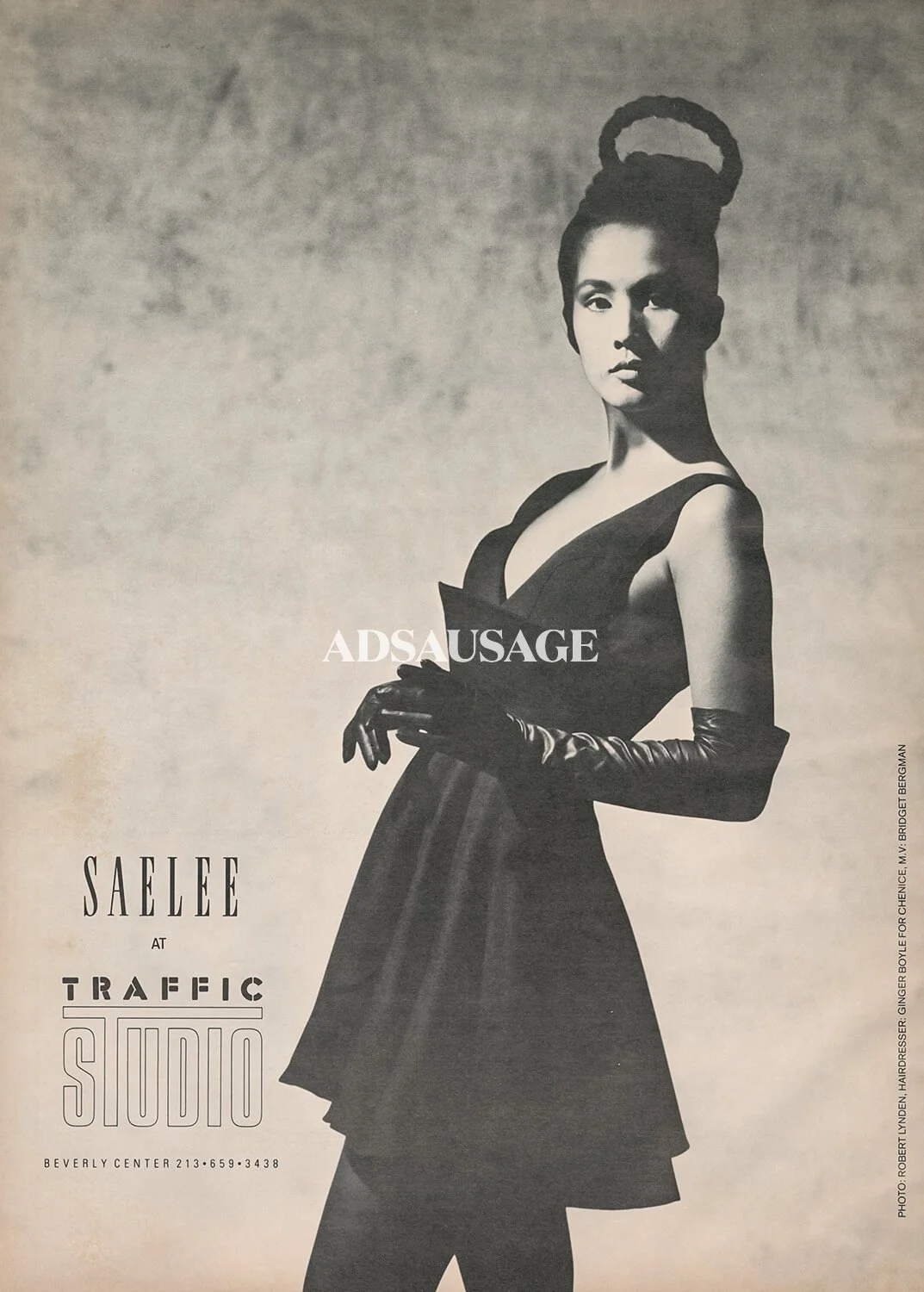
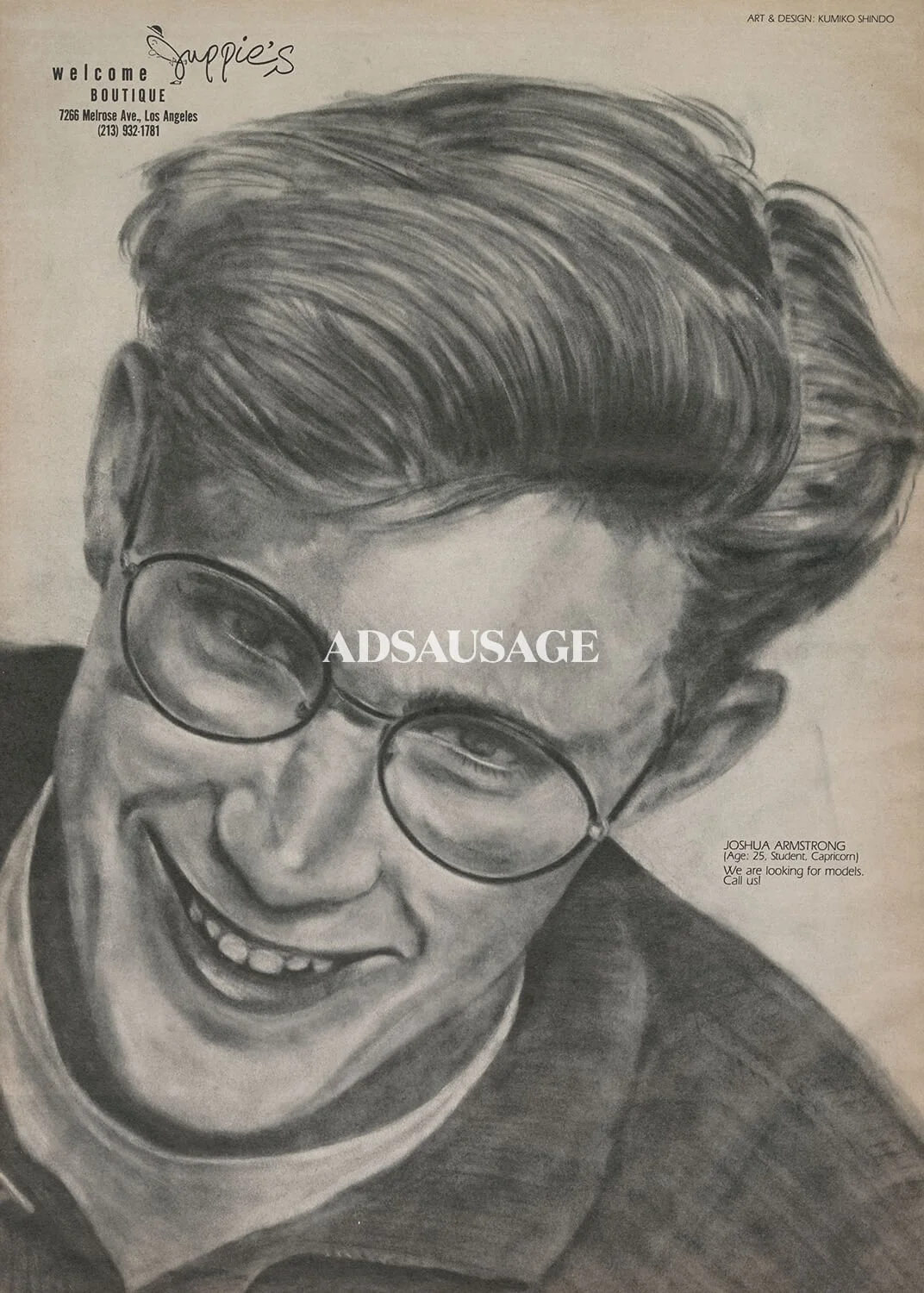
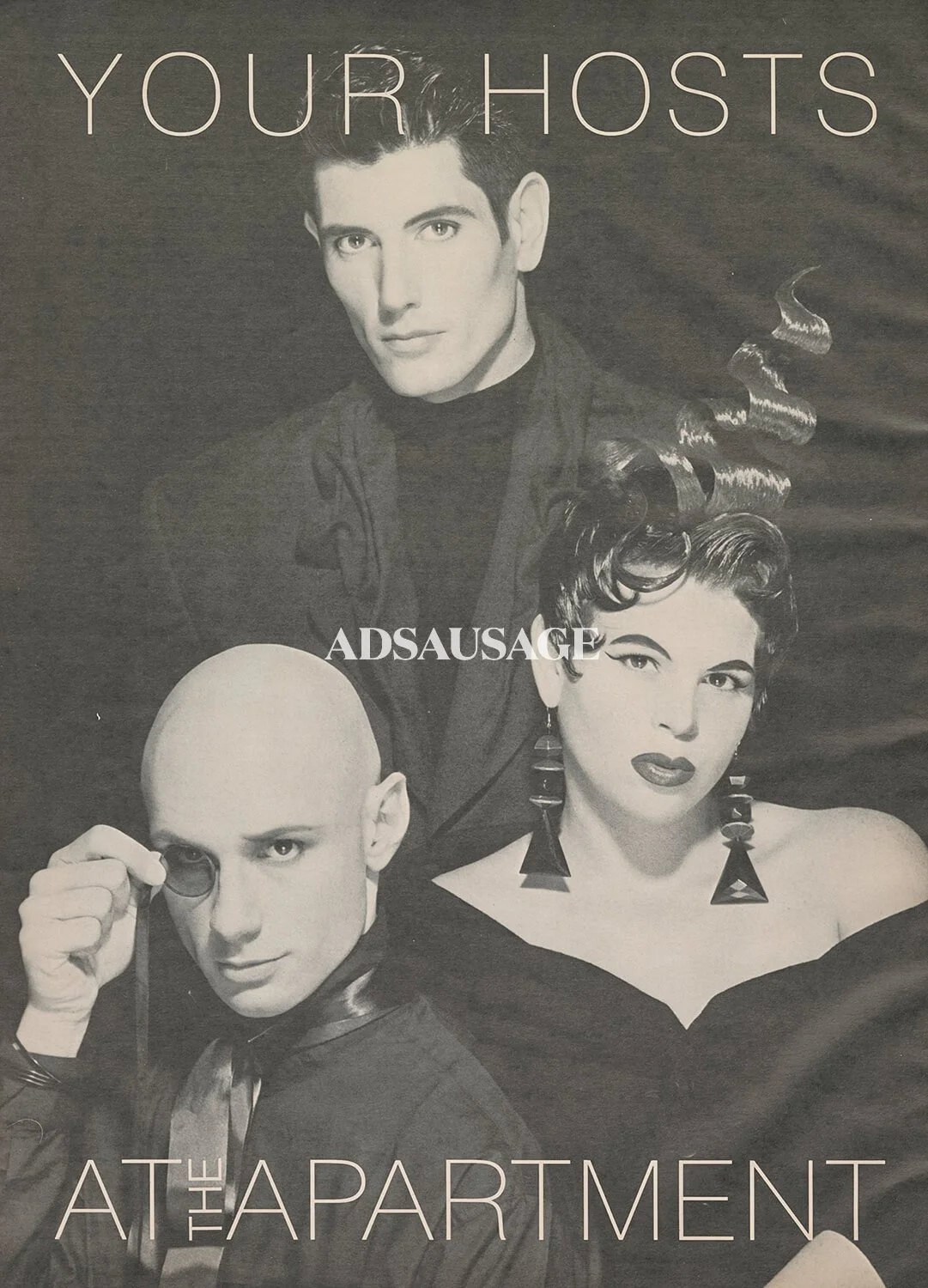
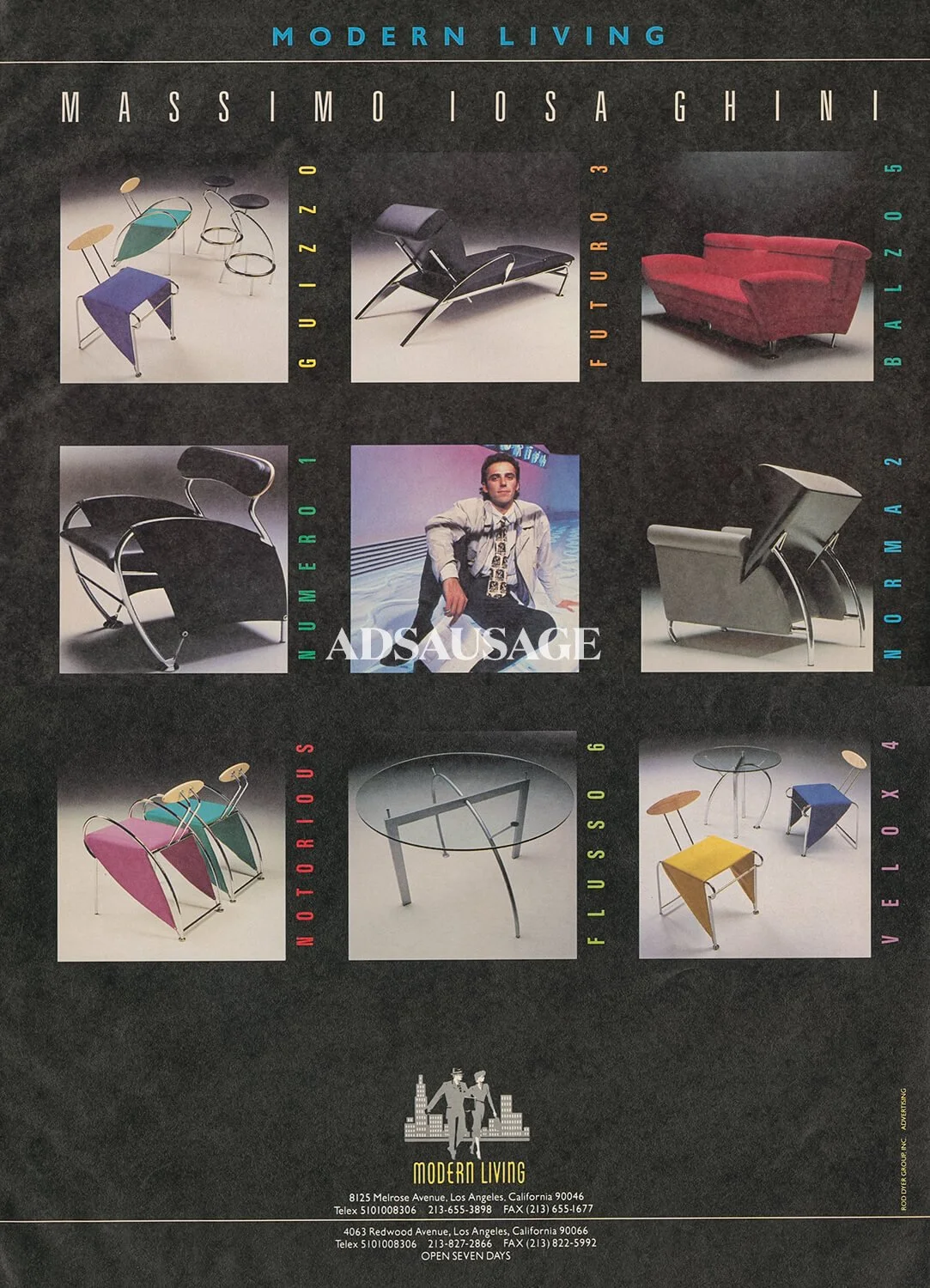
October 1990
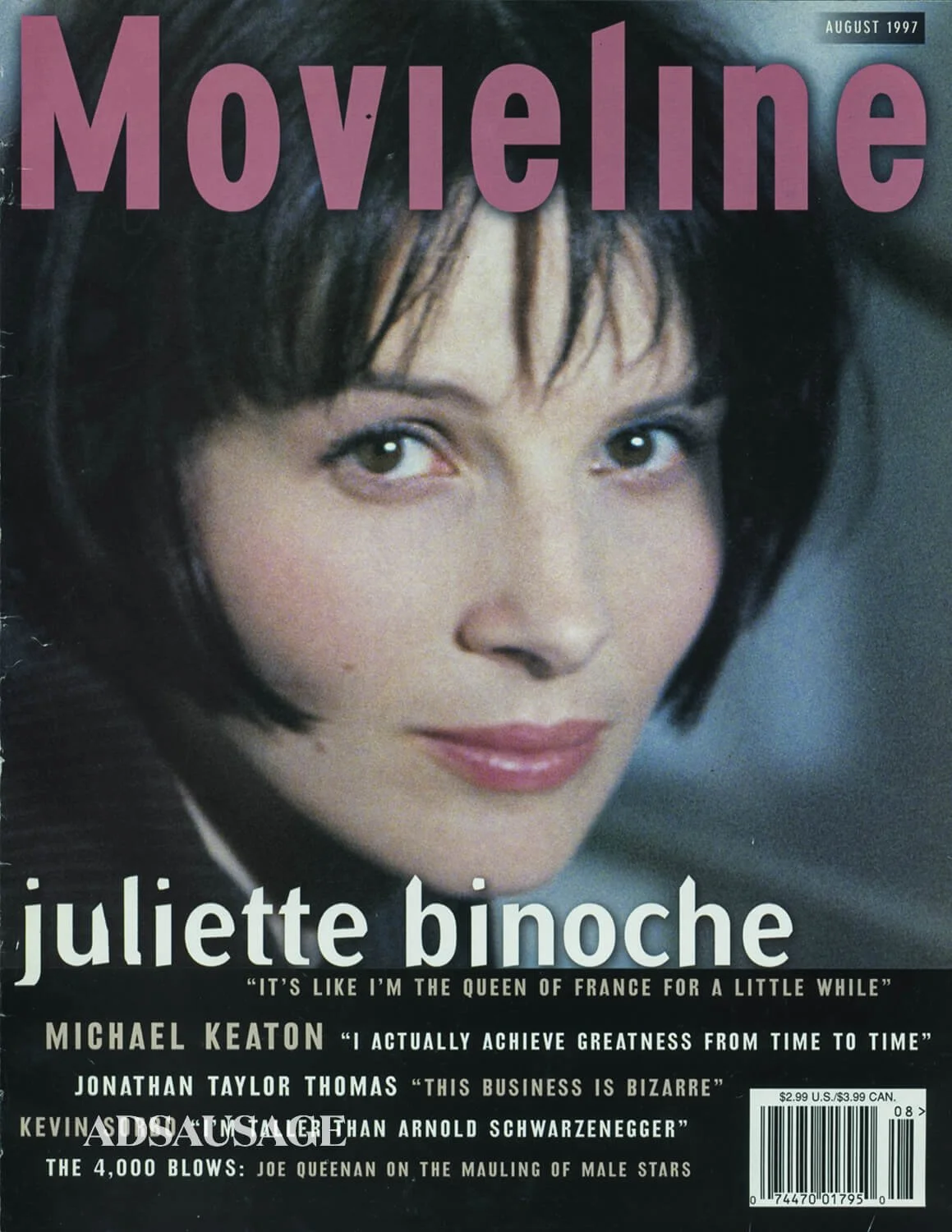
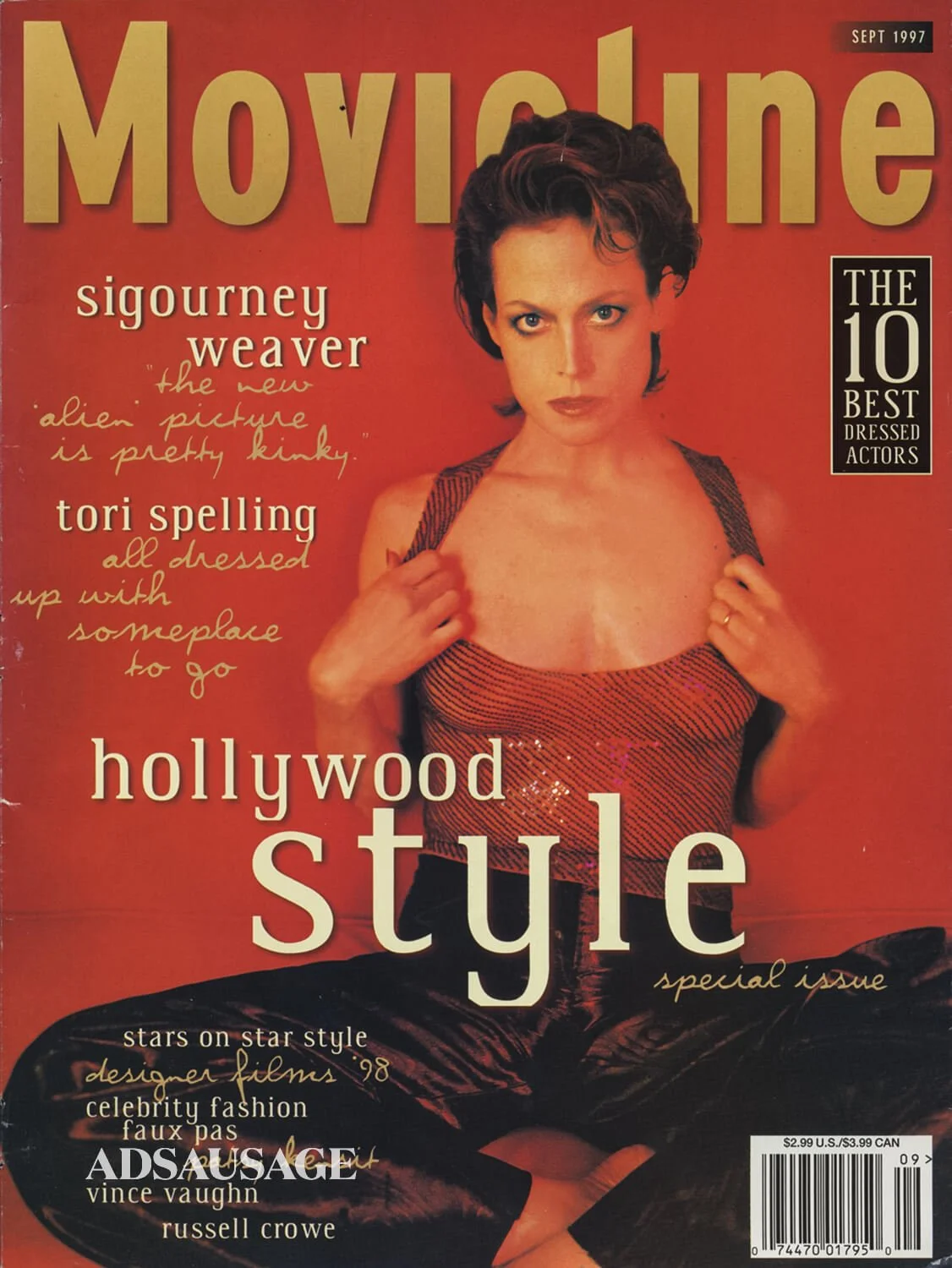
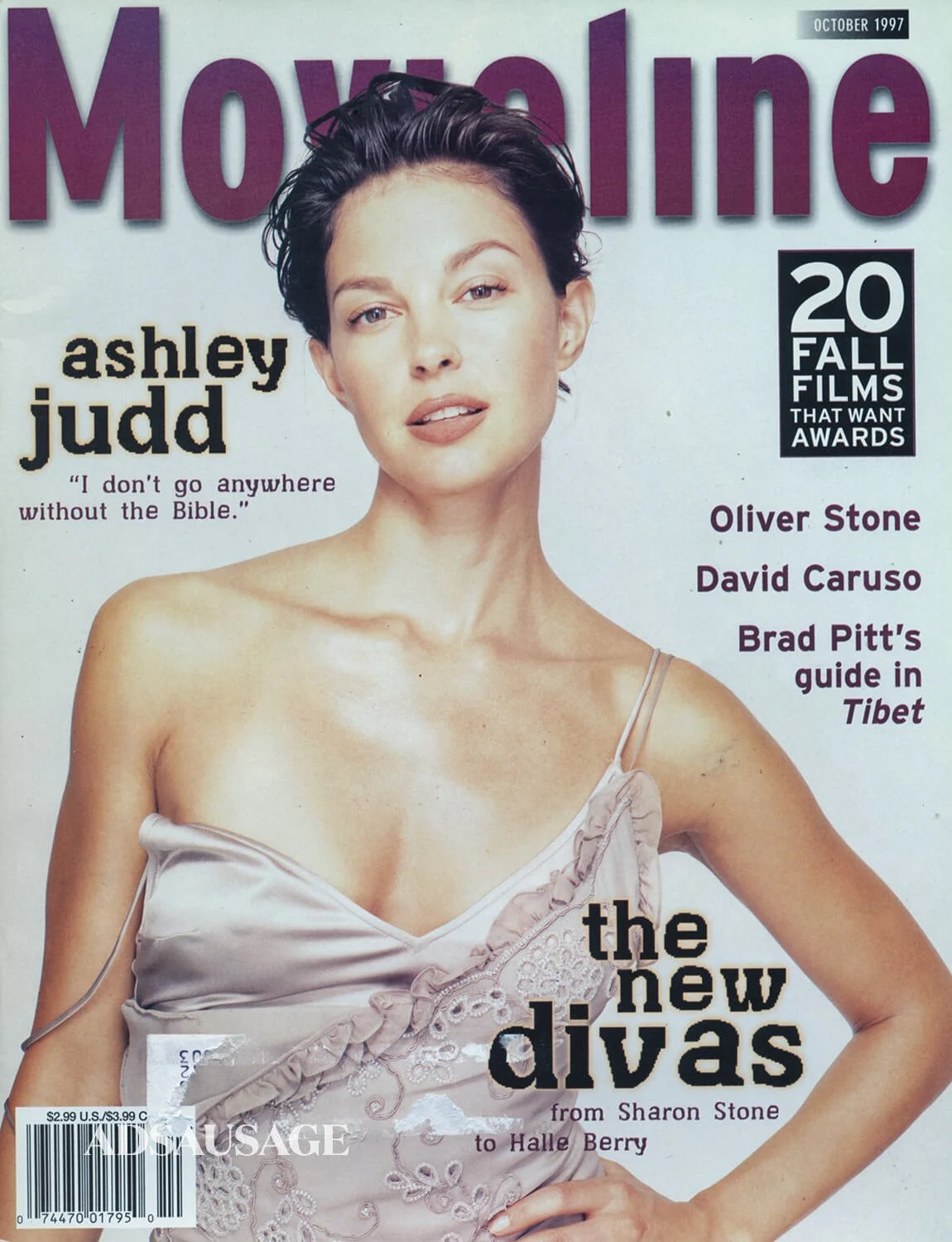
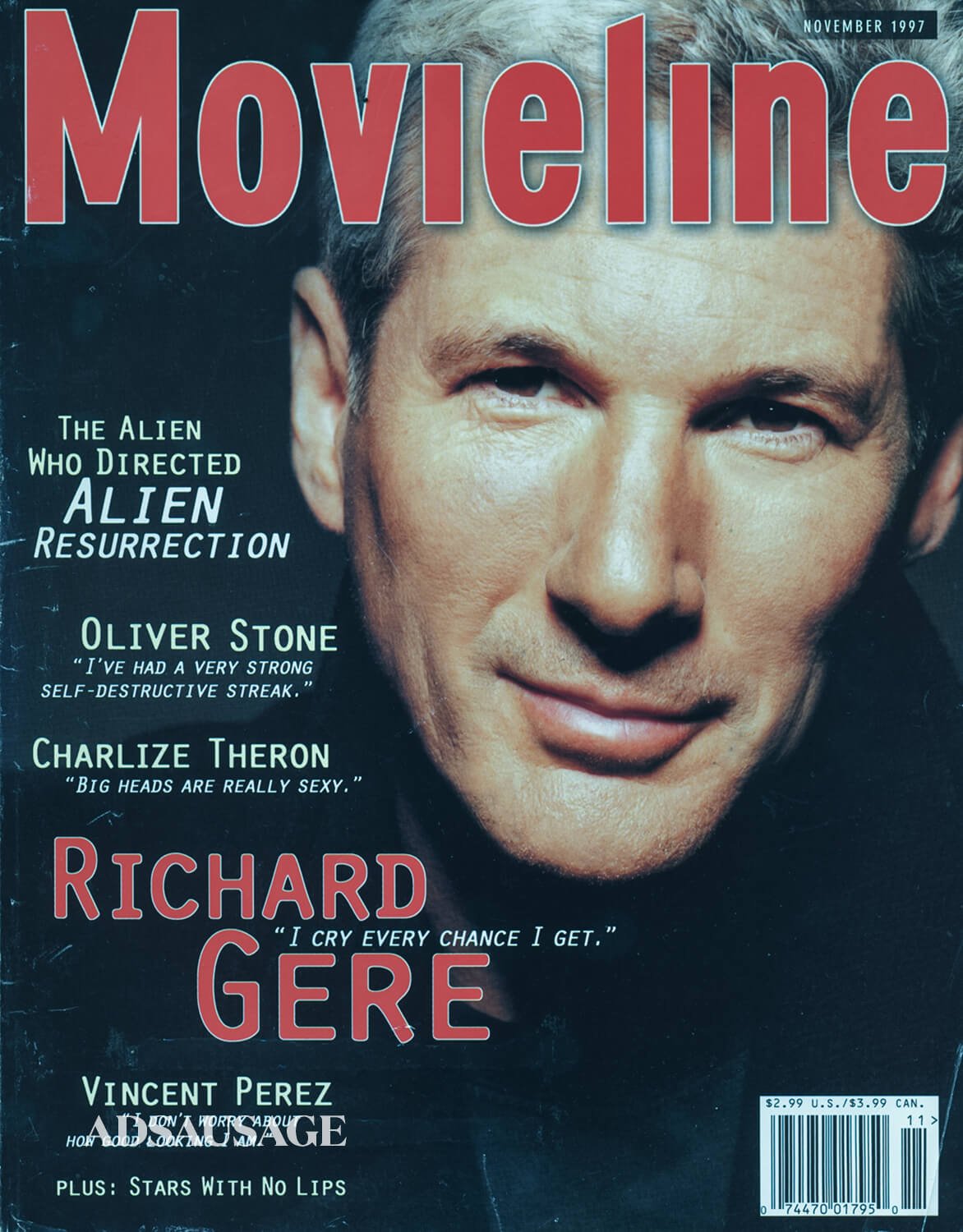
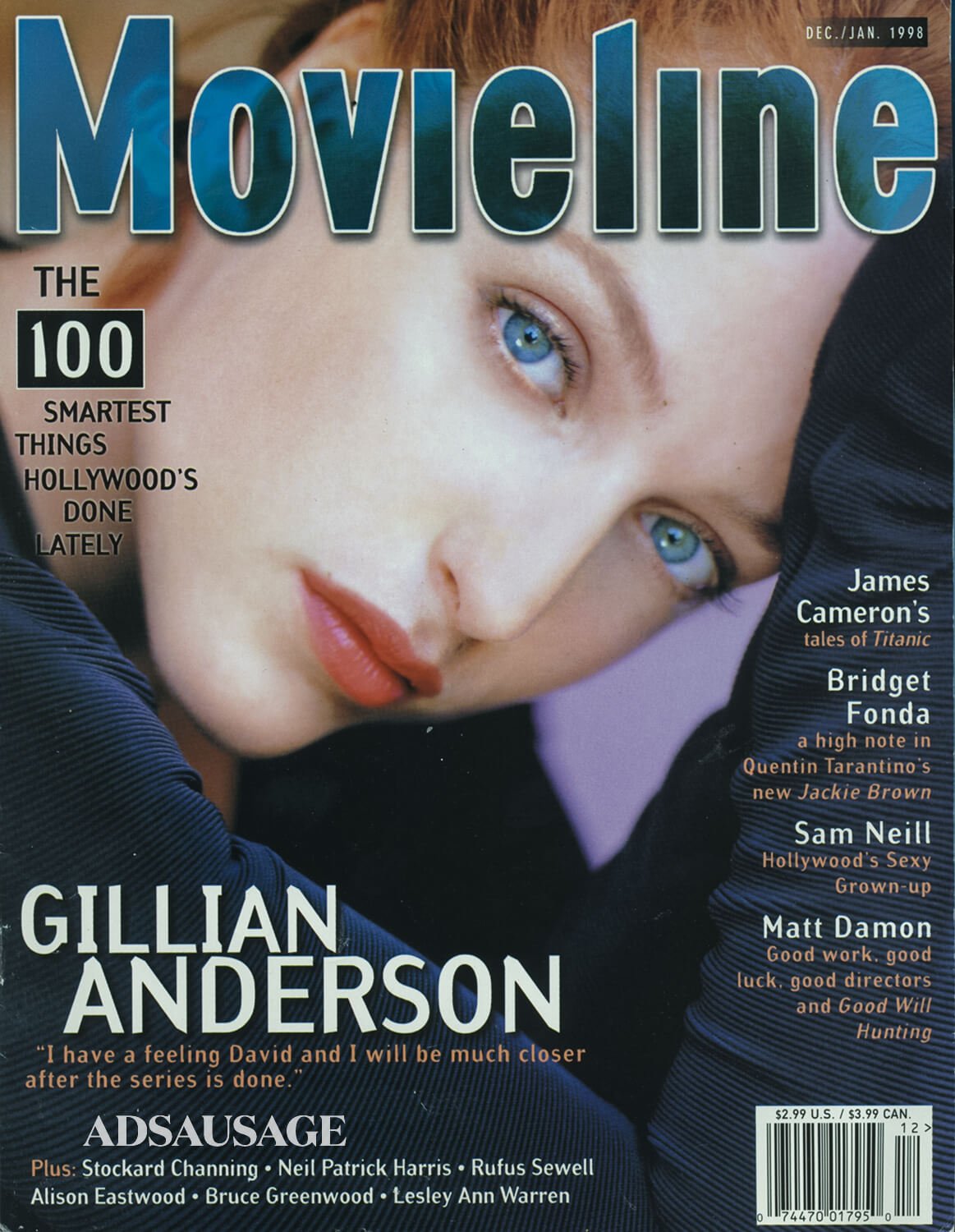
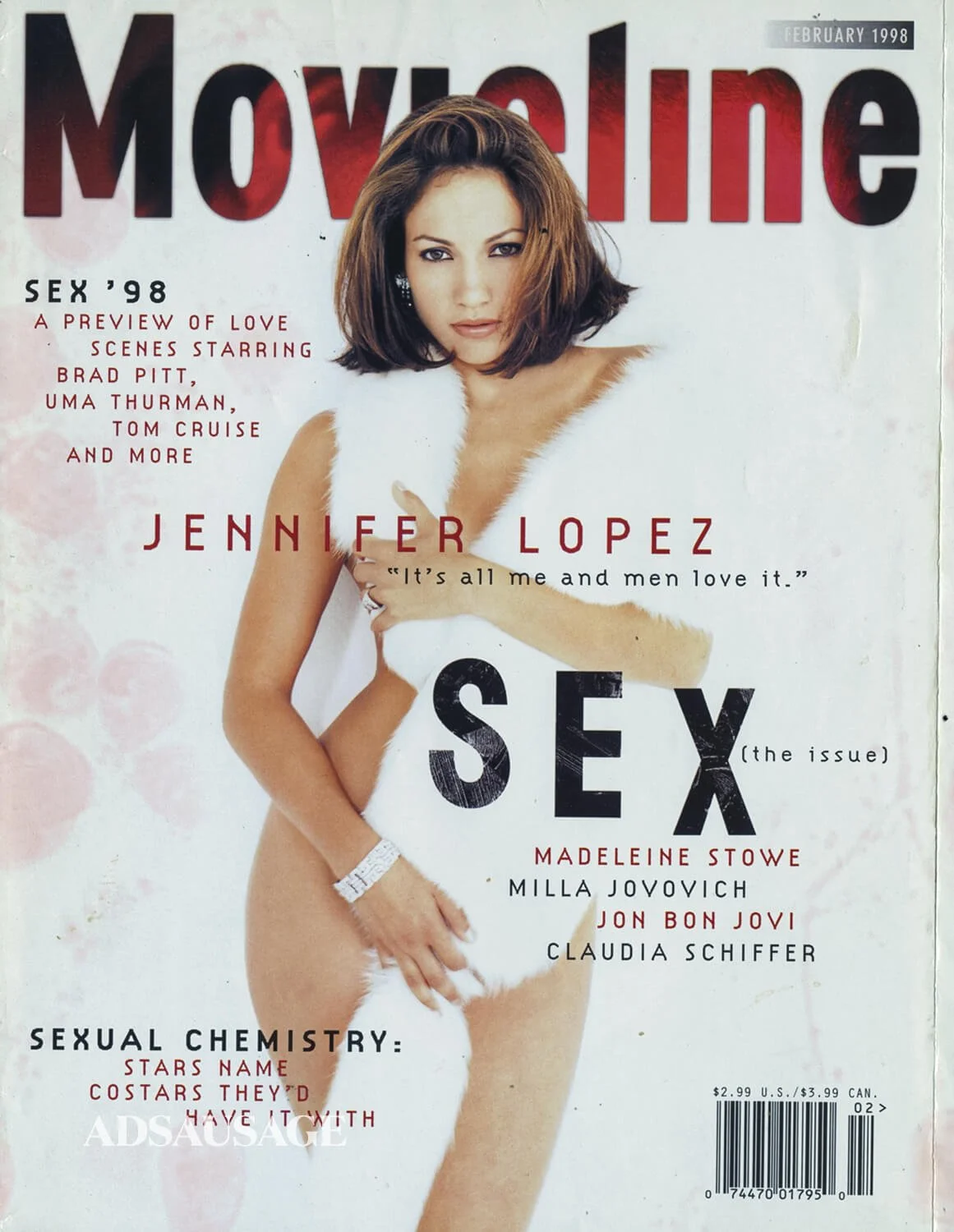
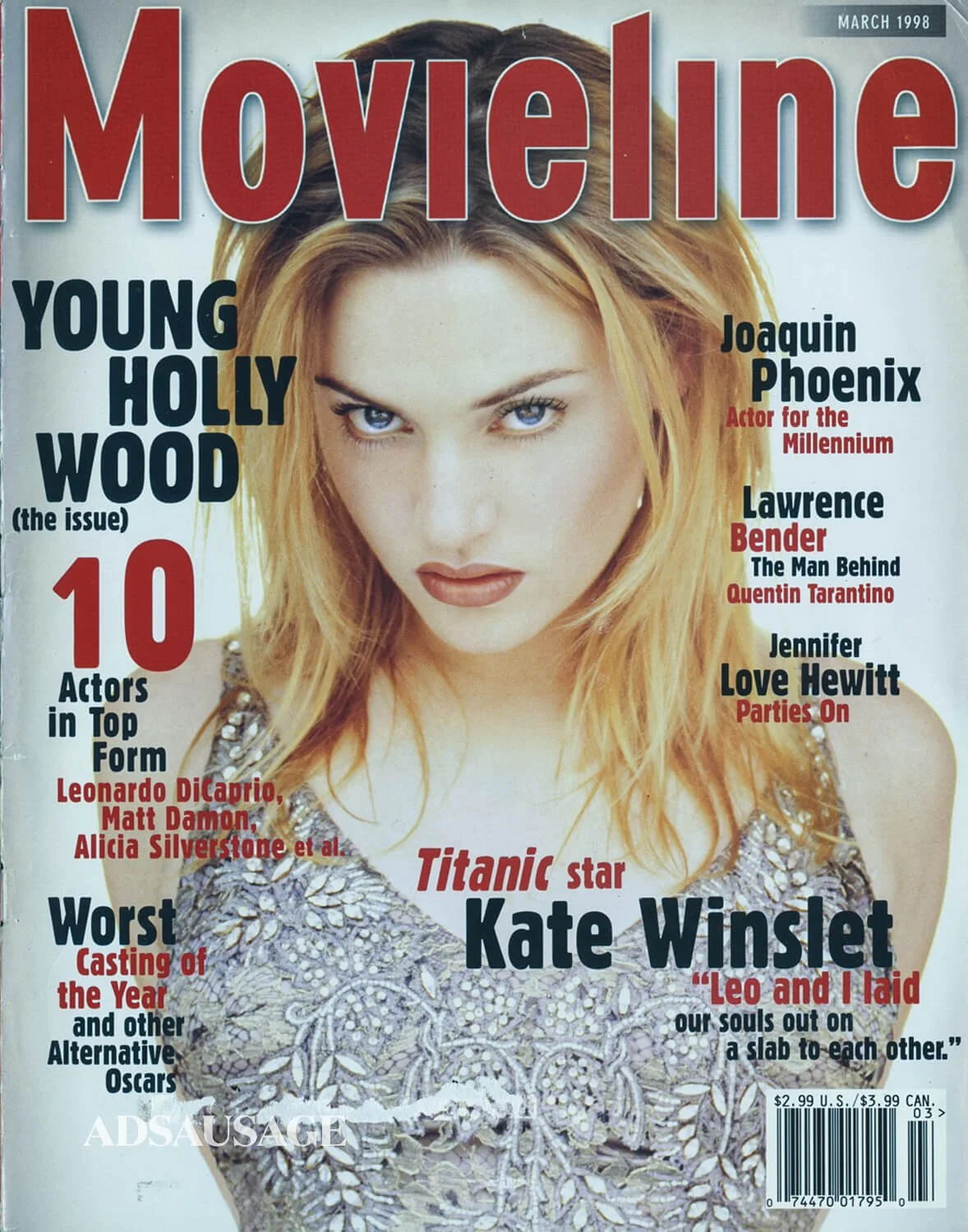
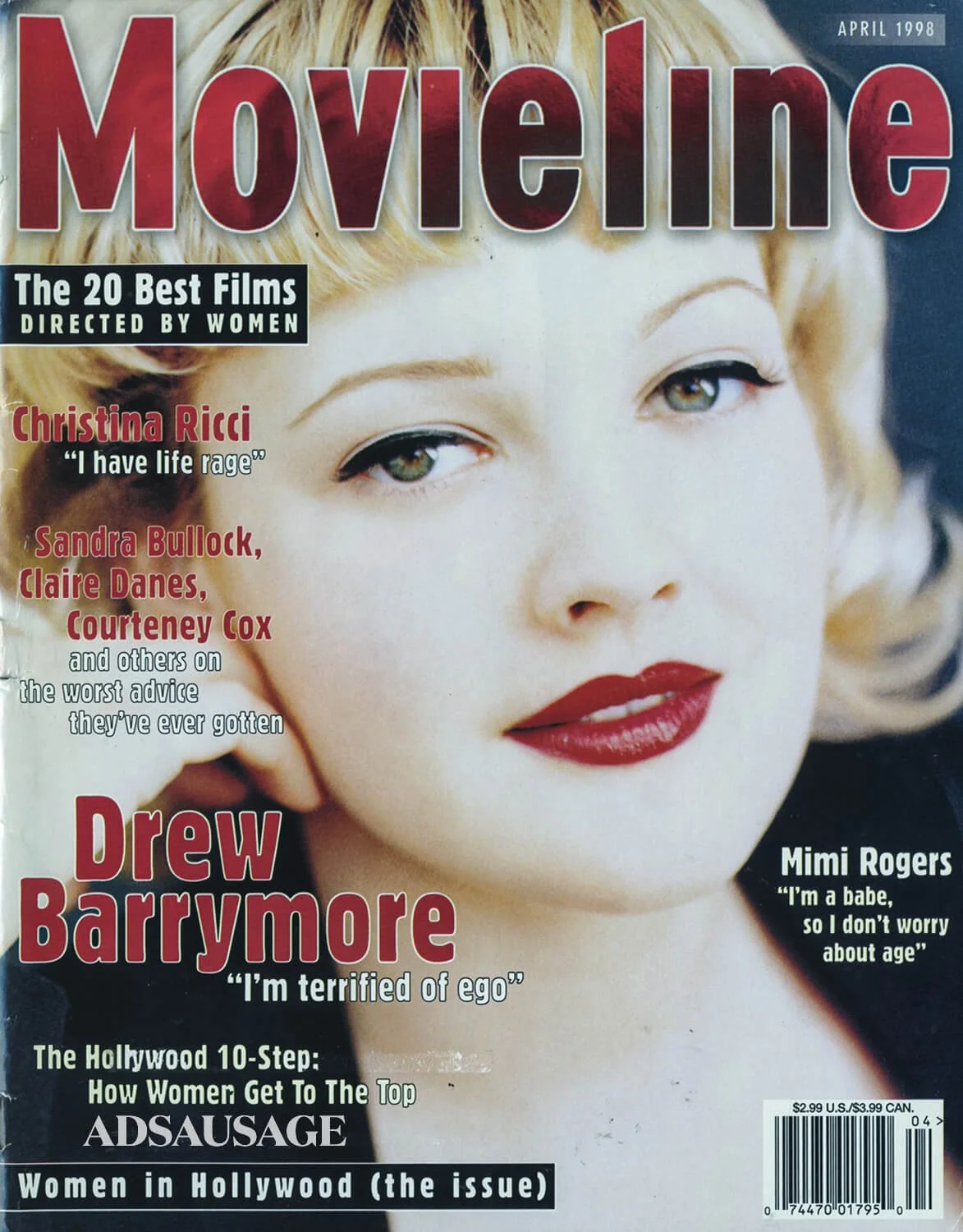
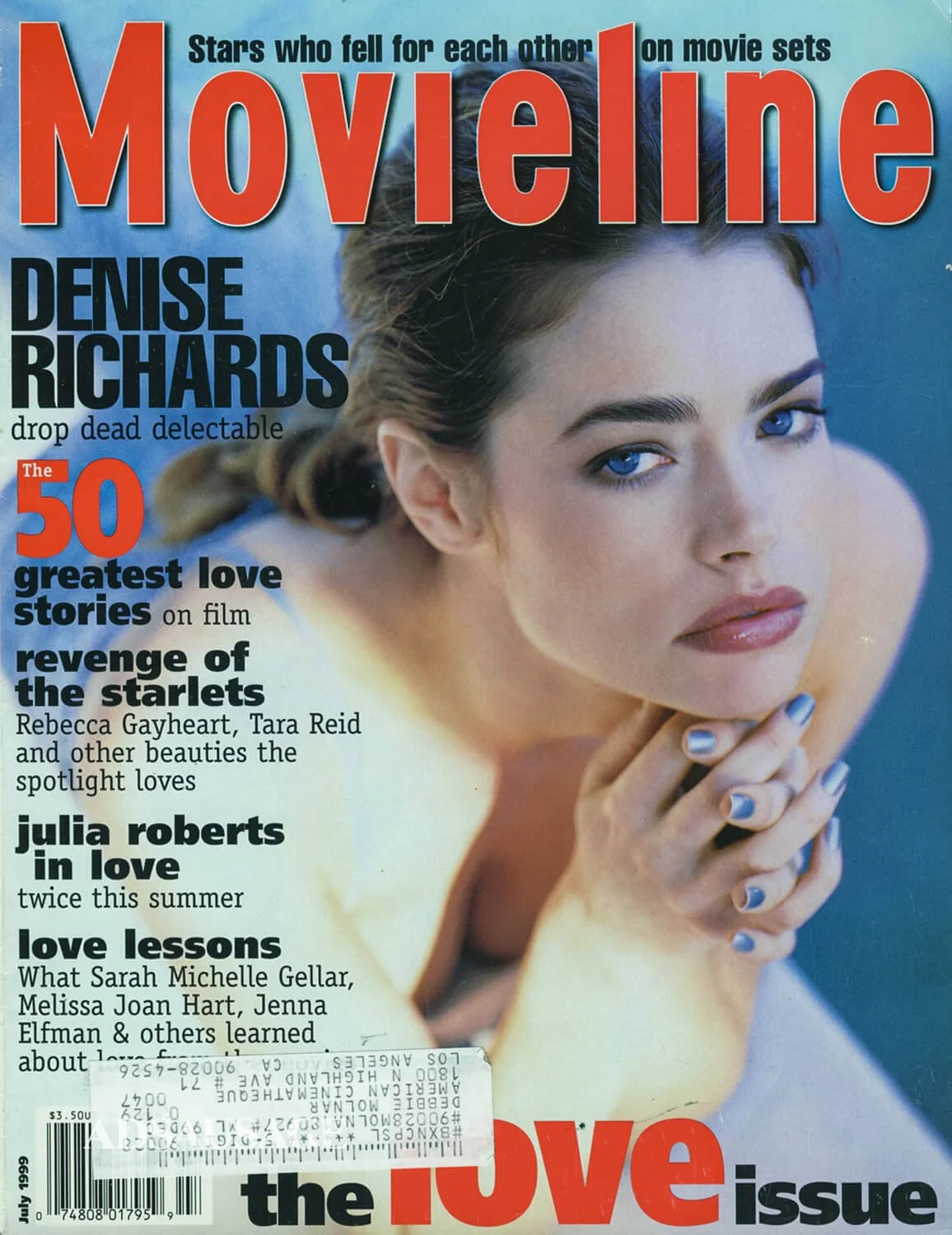
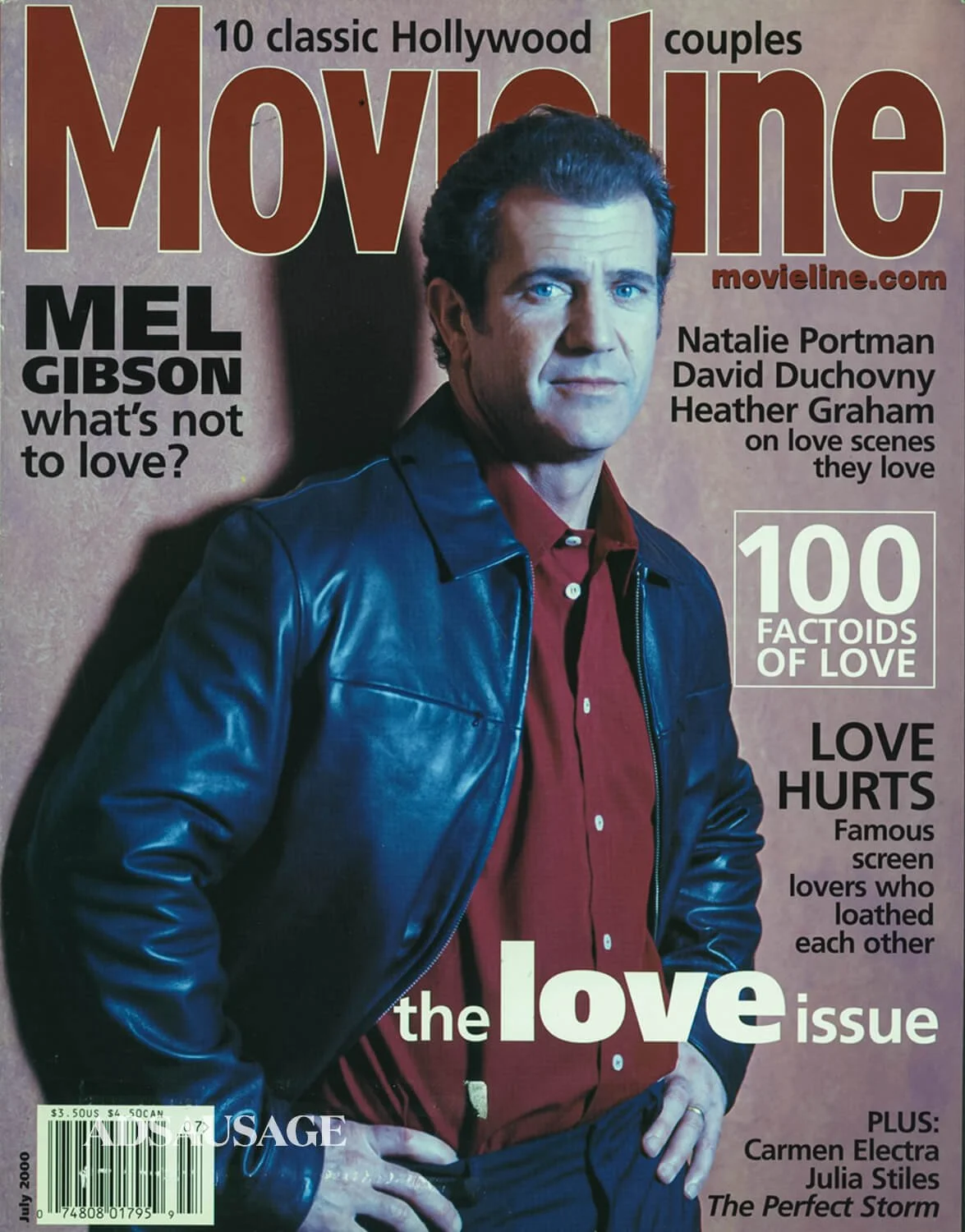
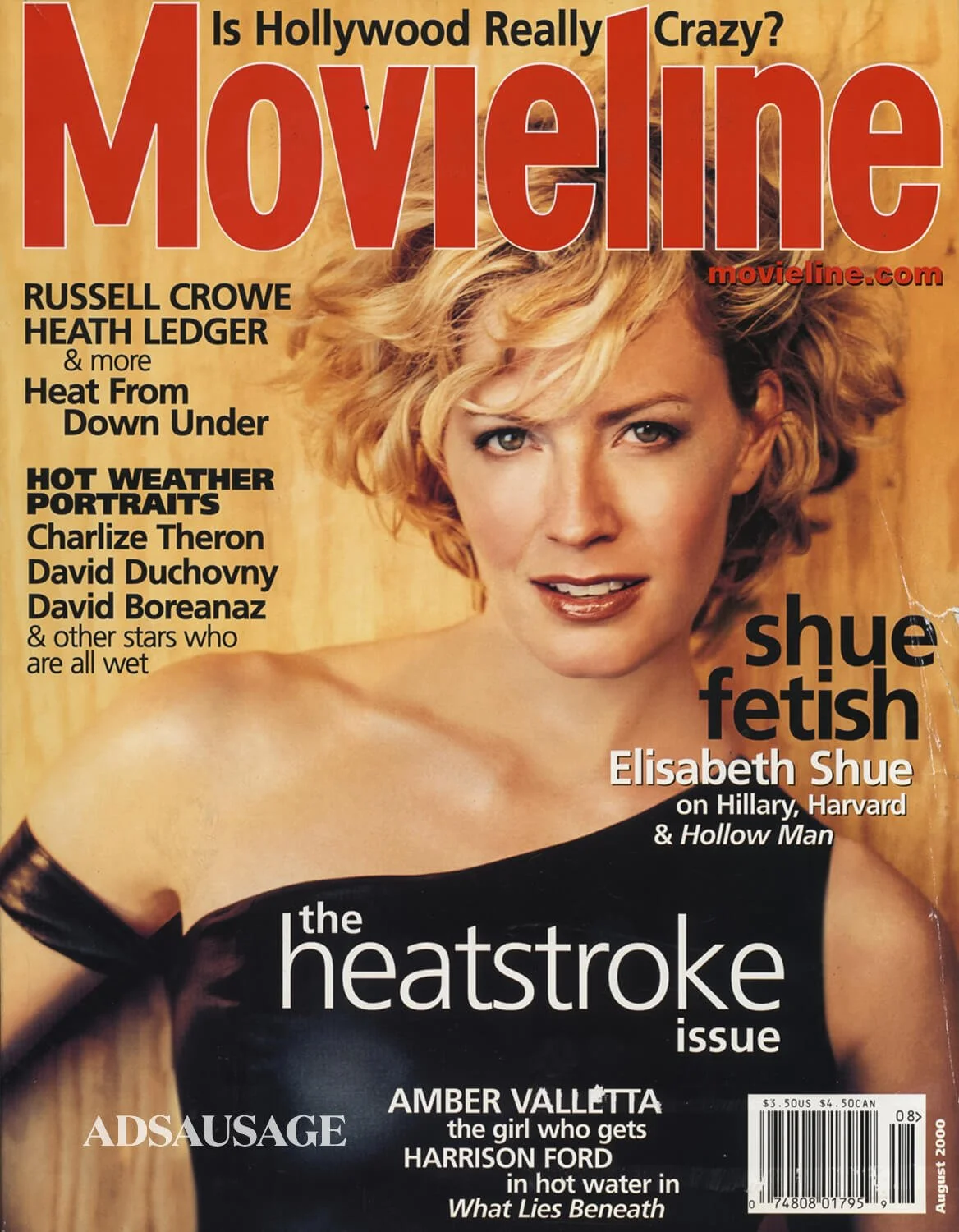
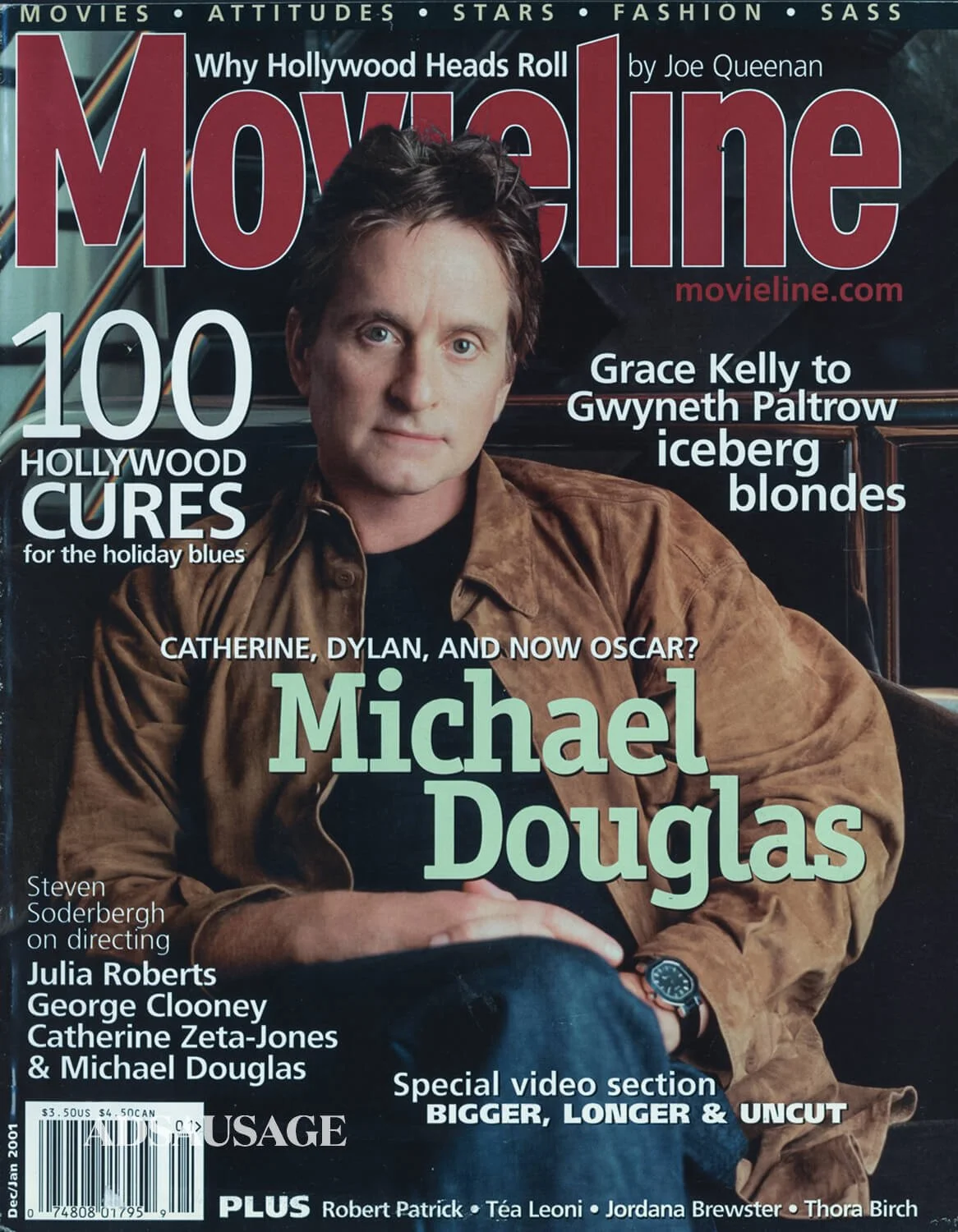
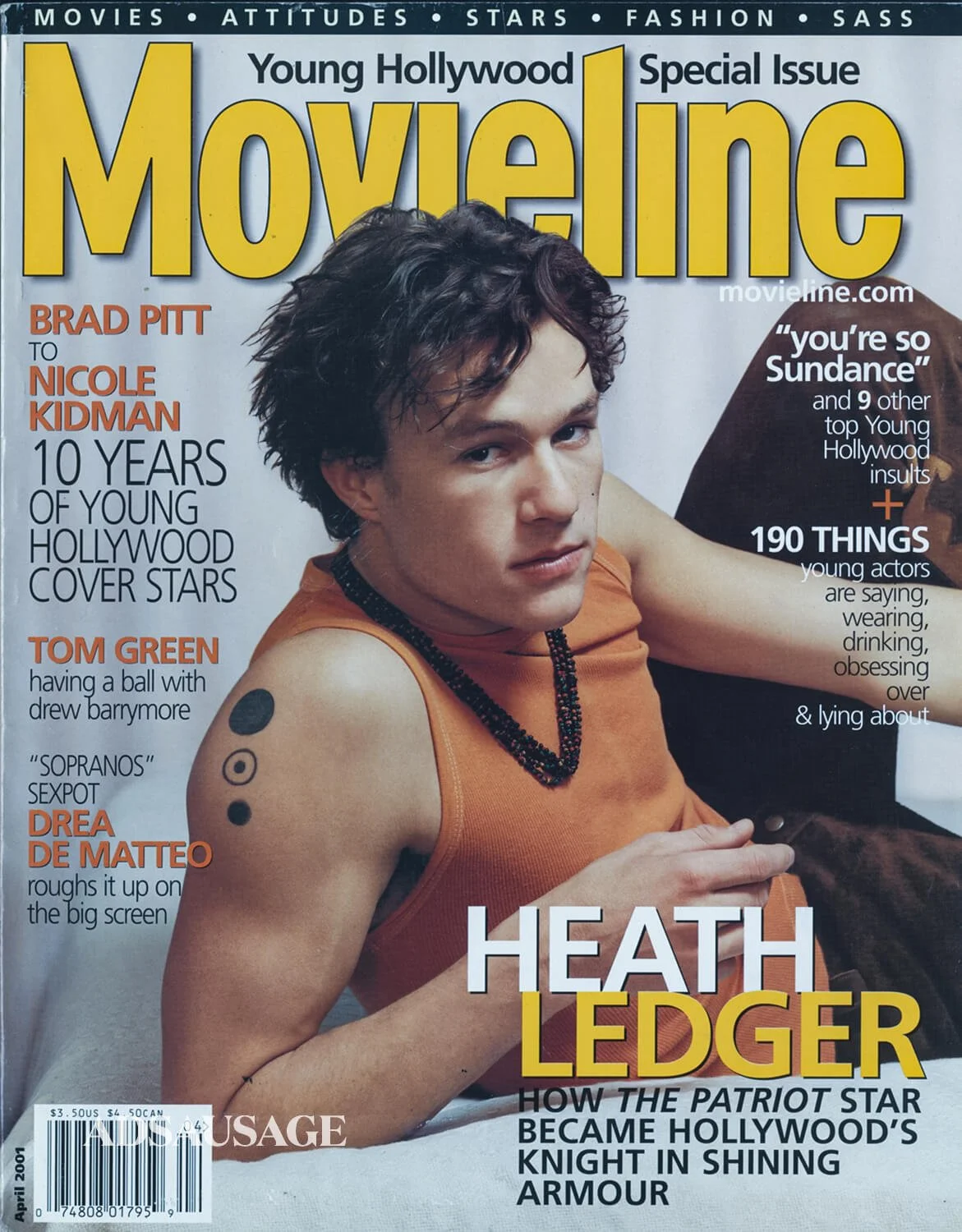
Movieline
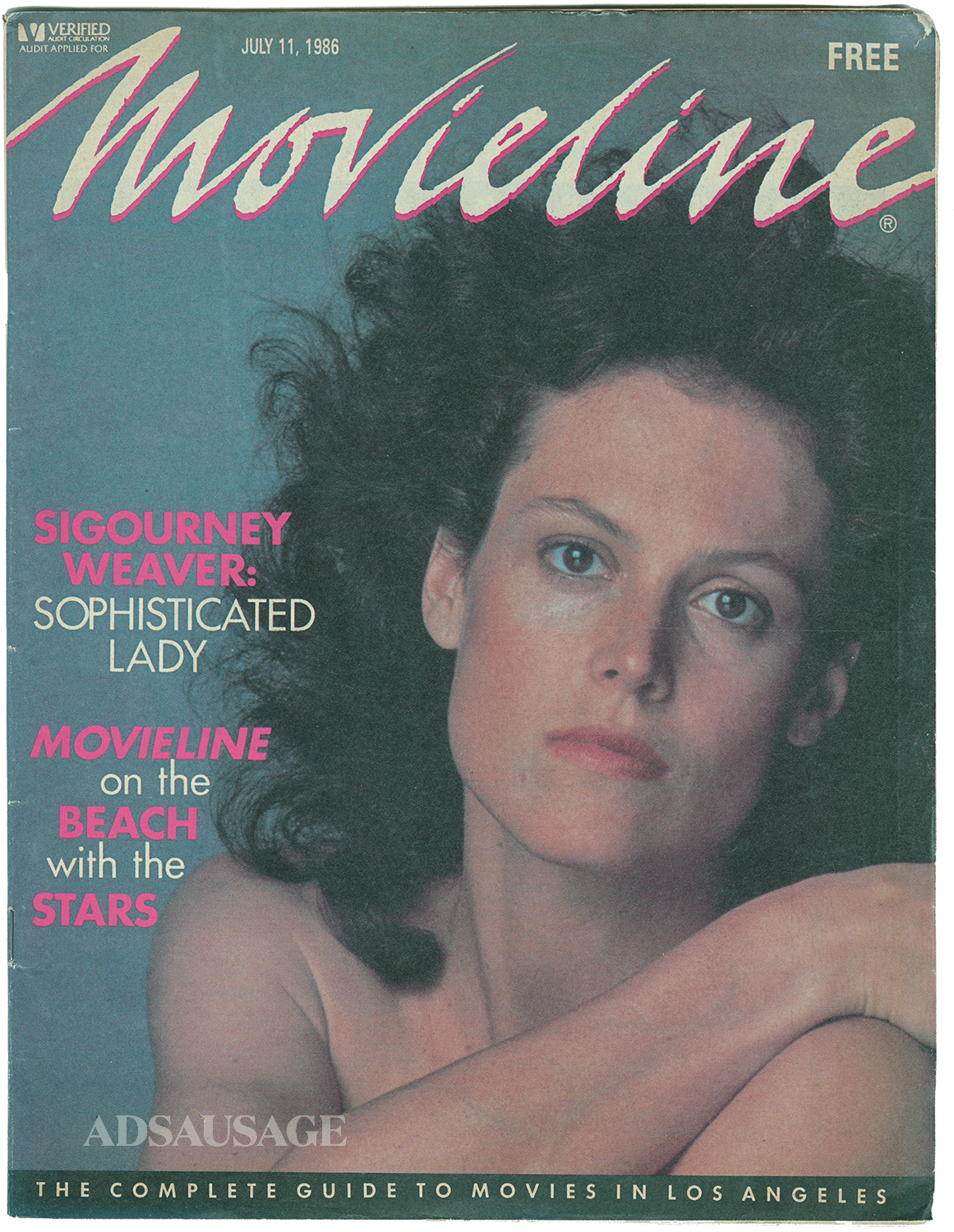
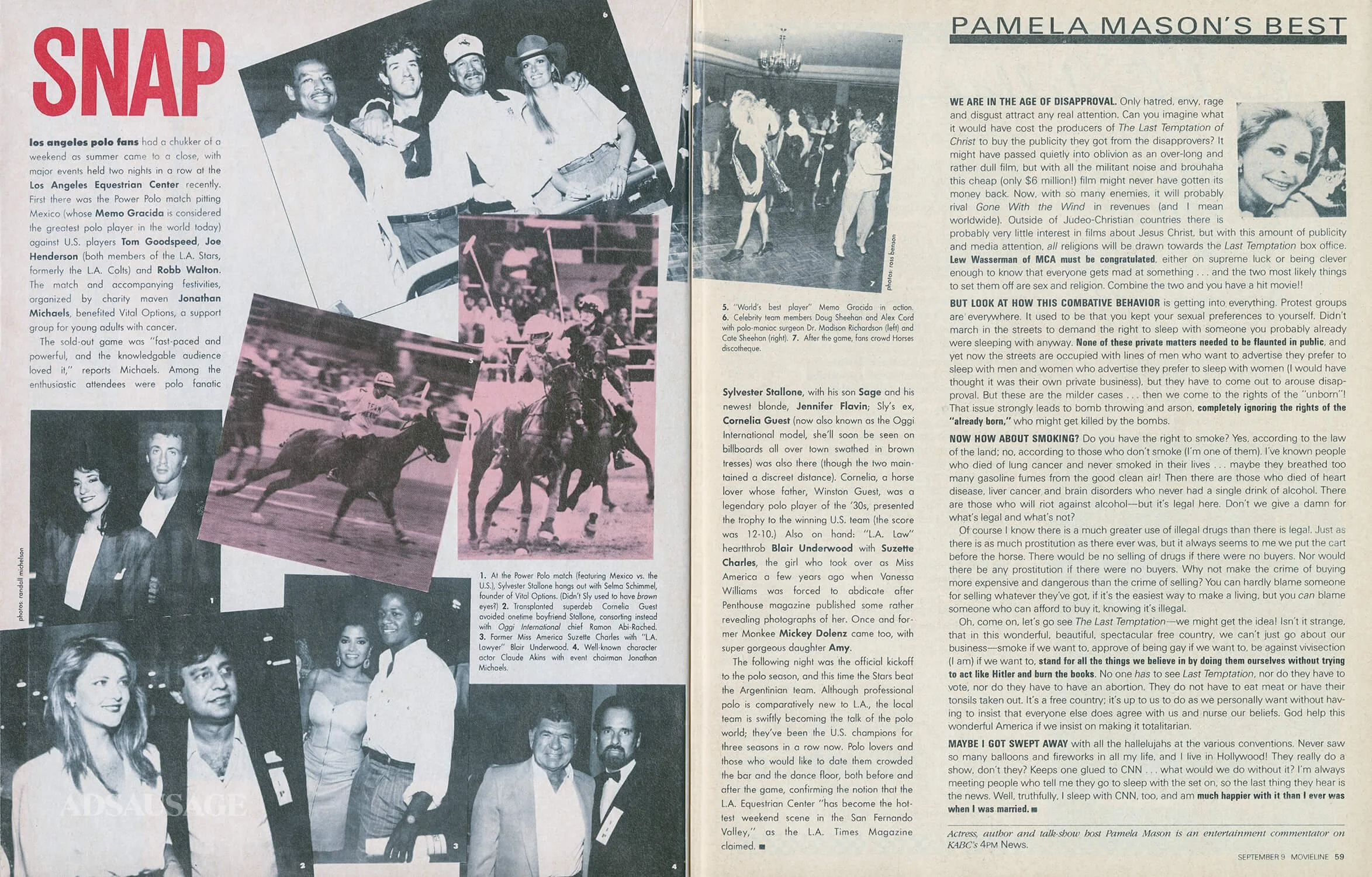
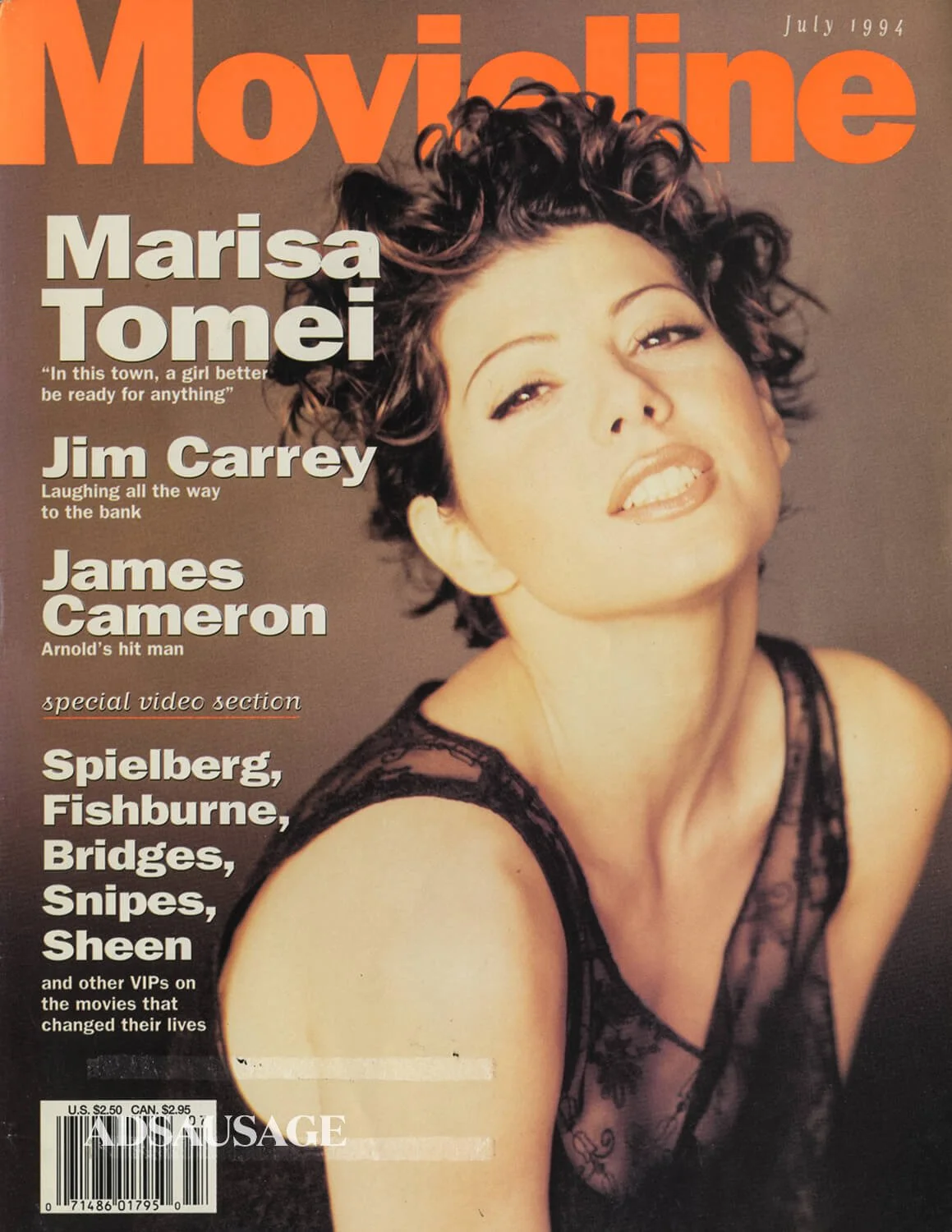
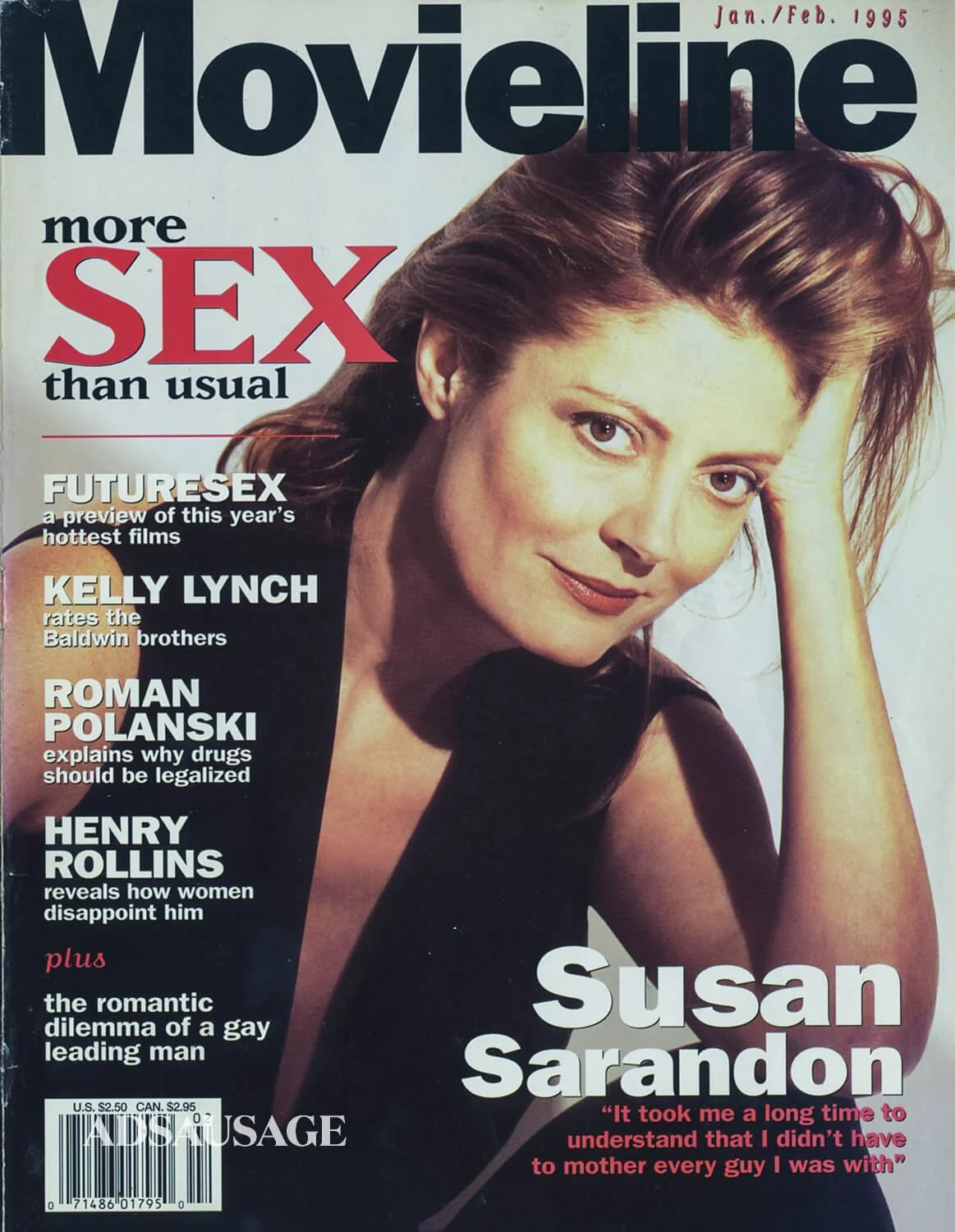
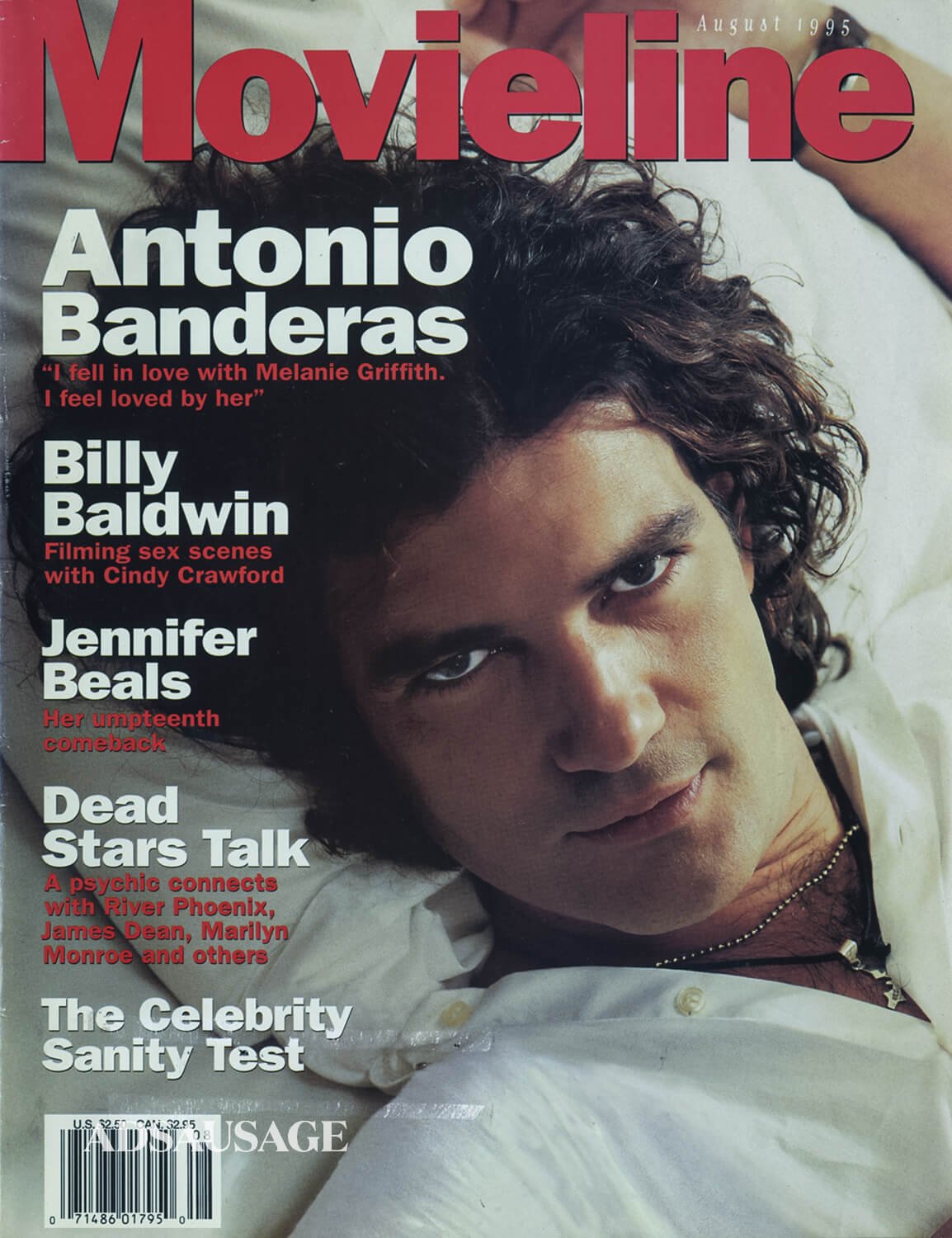
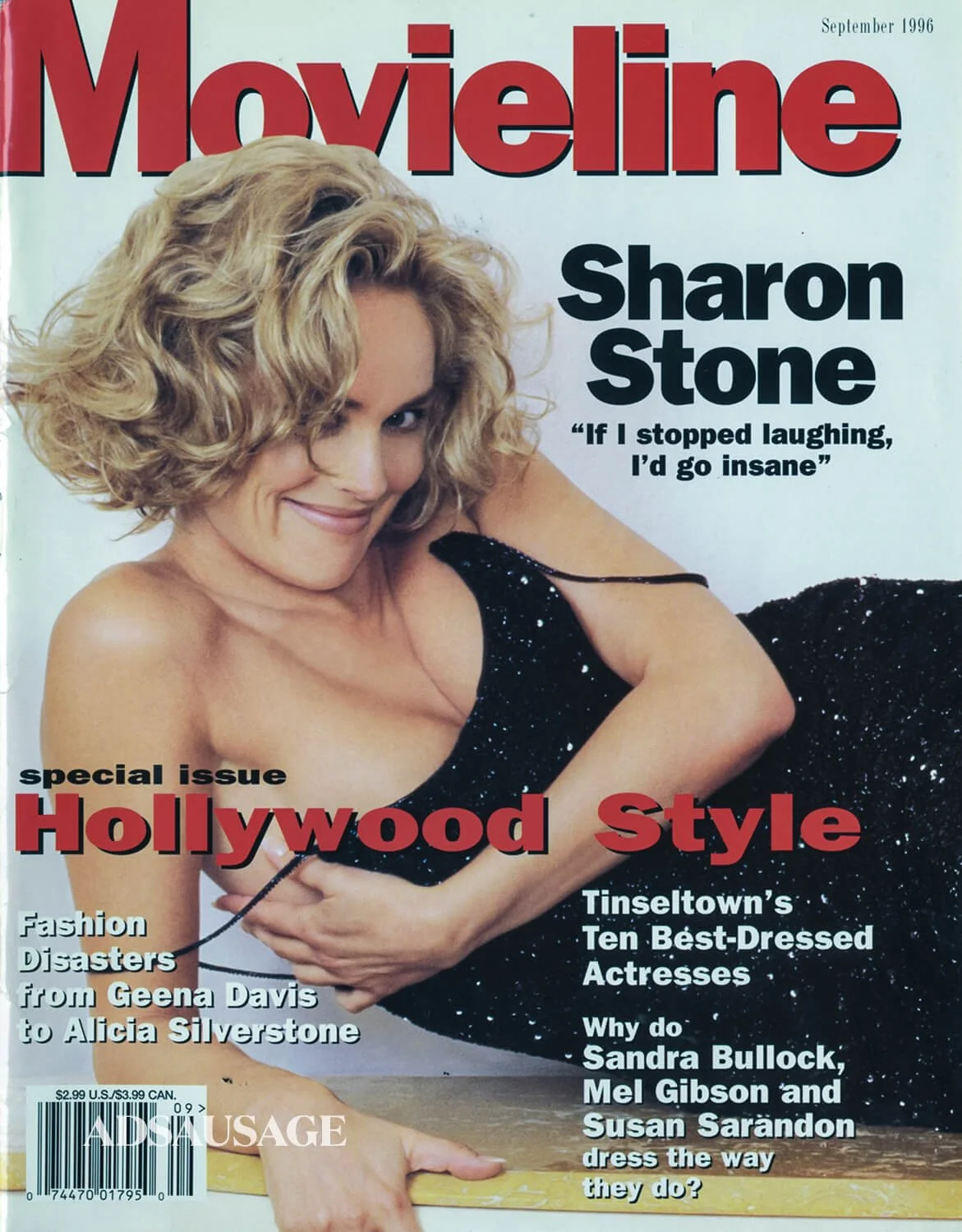
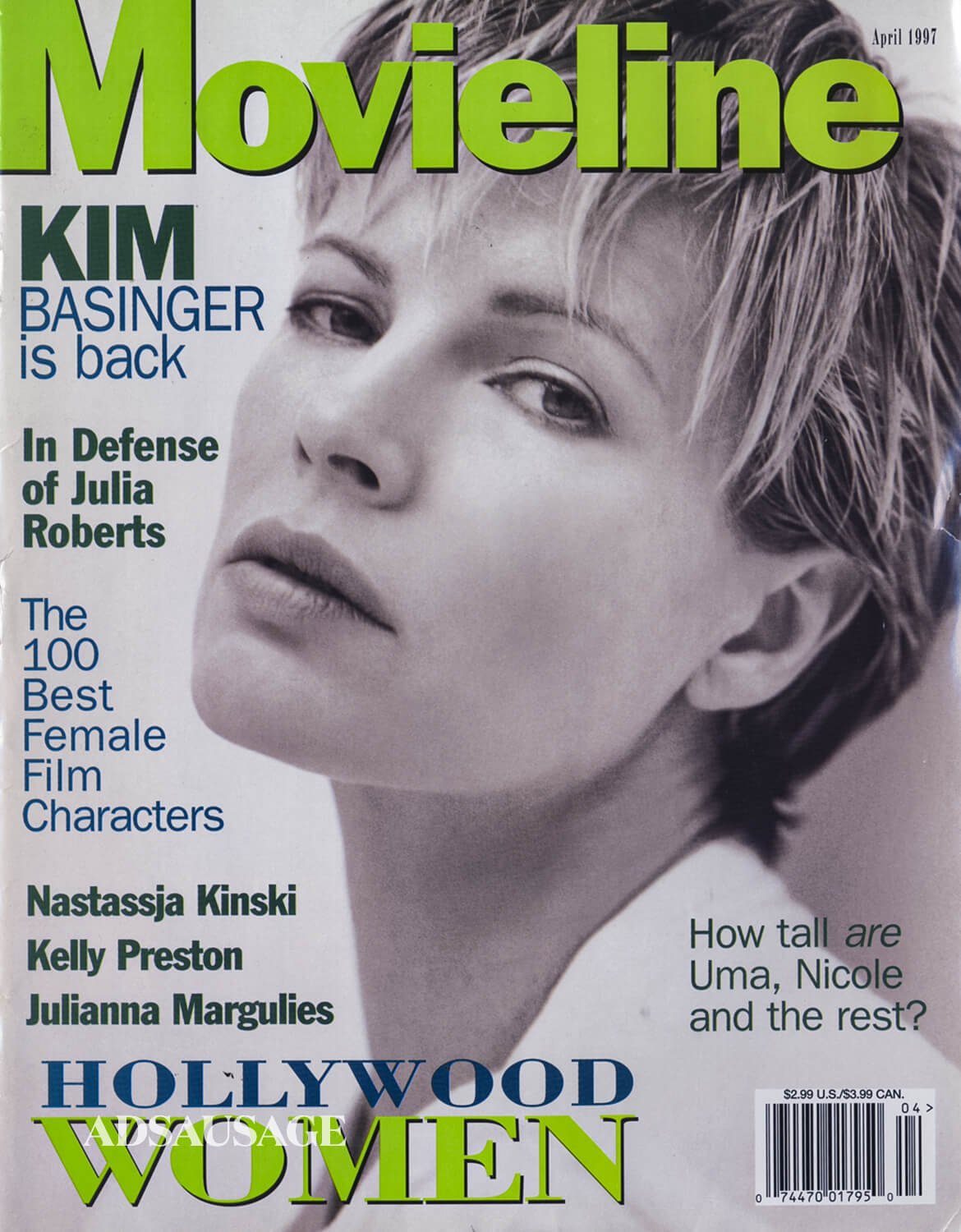
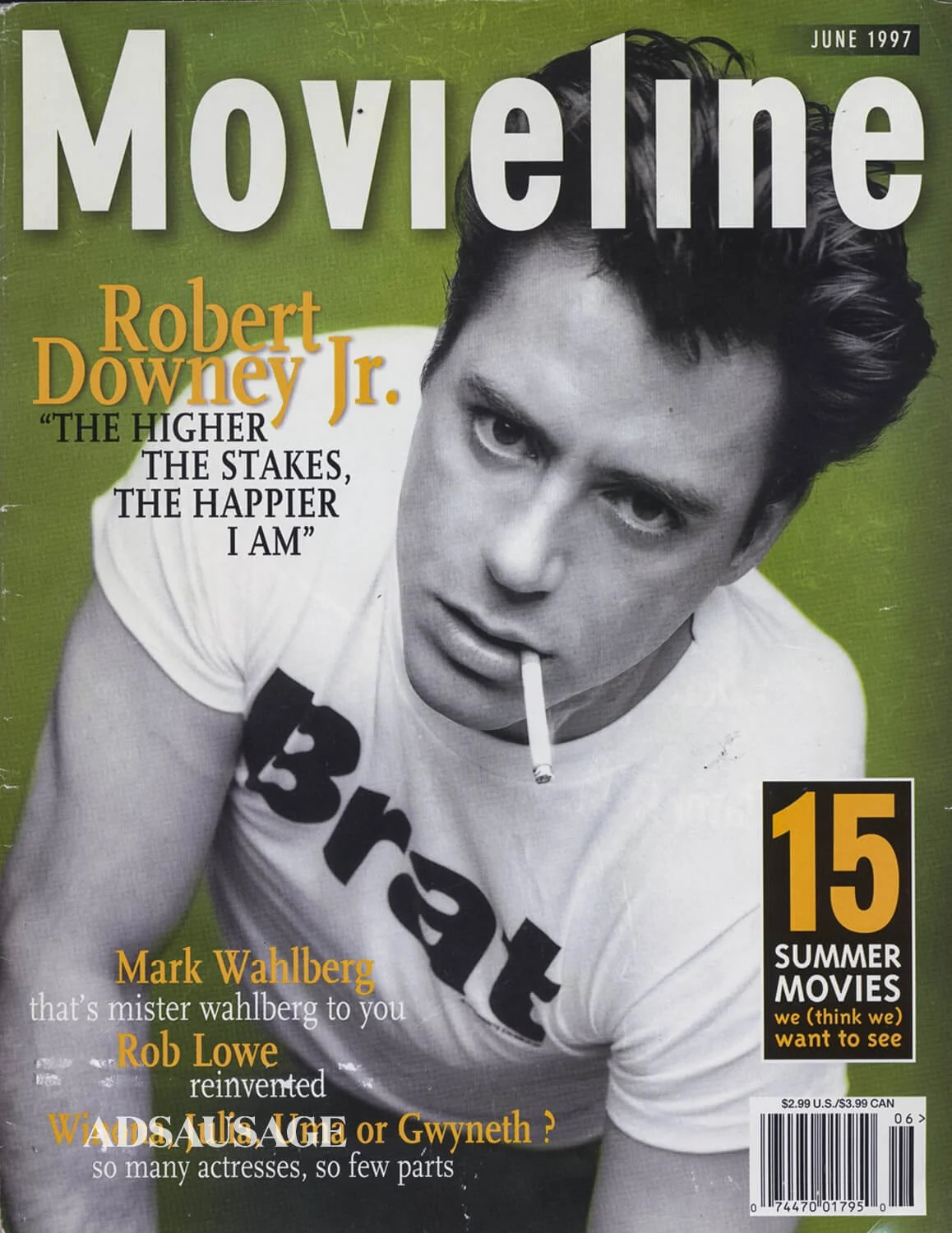
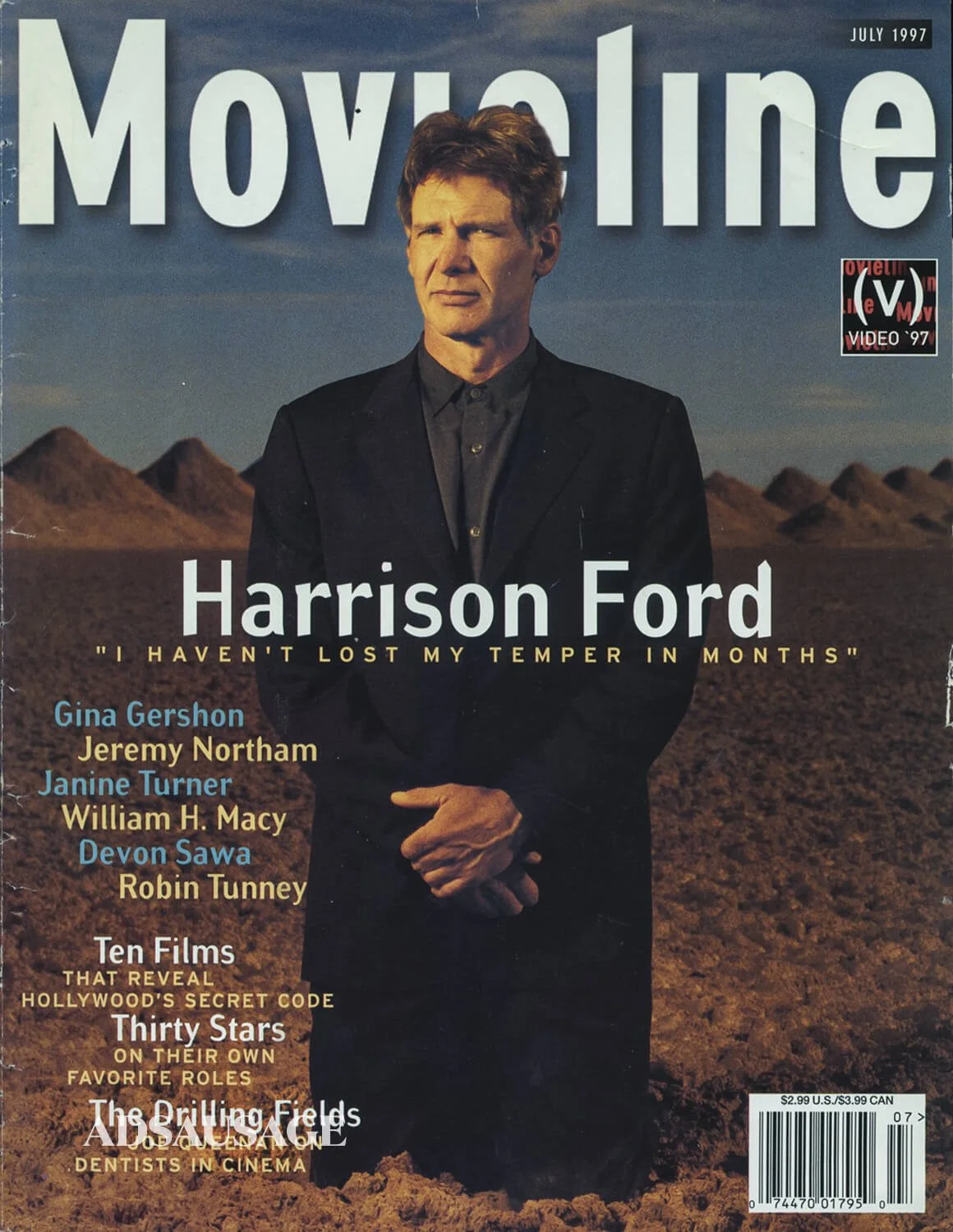
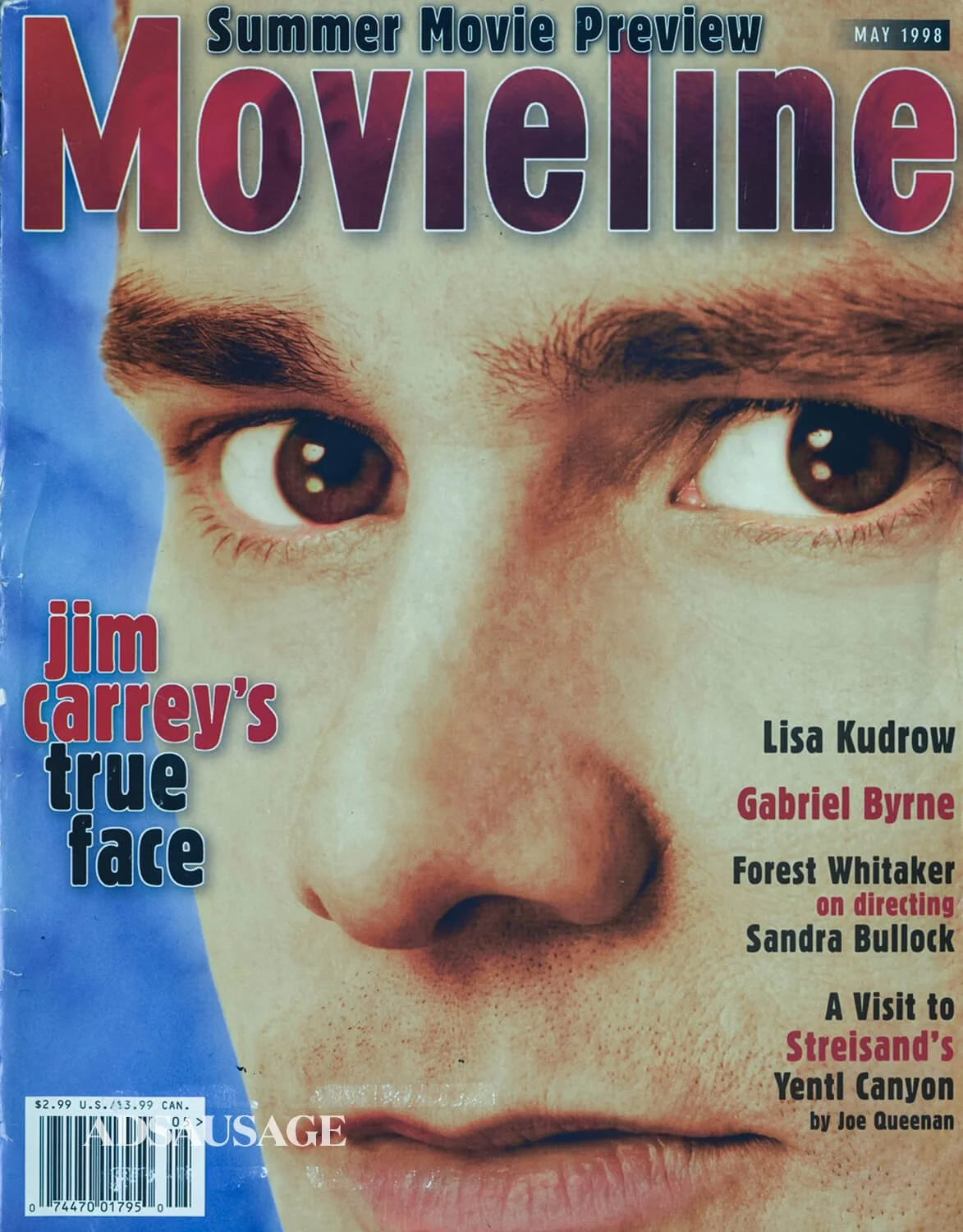
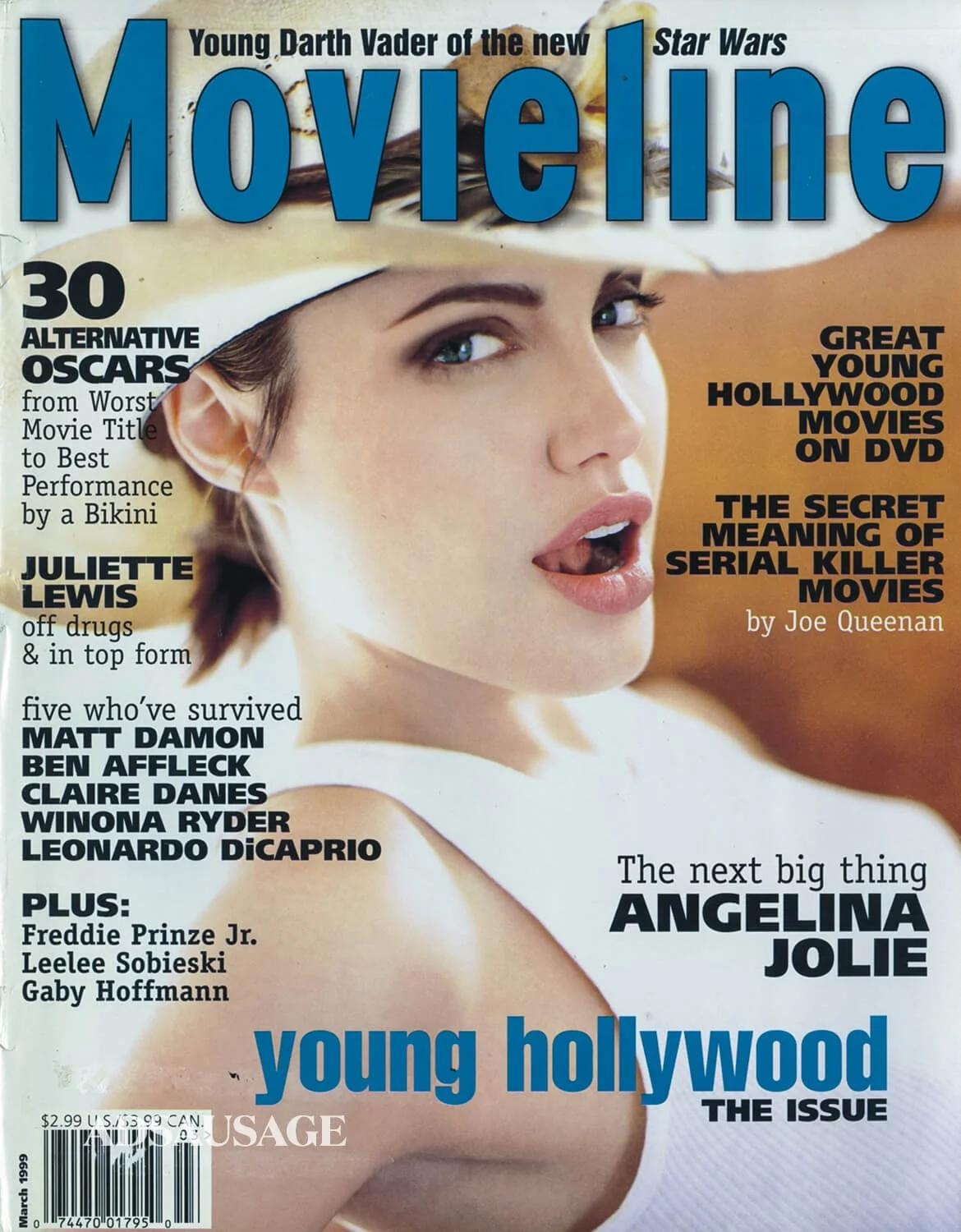
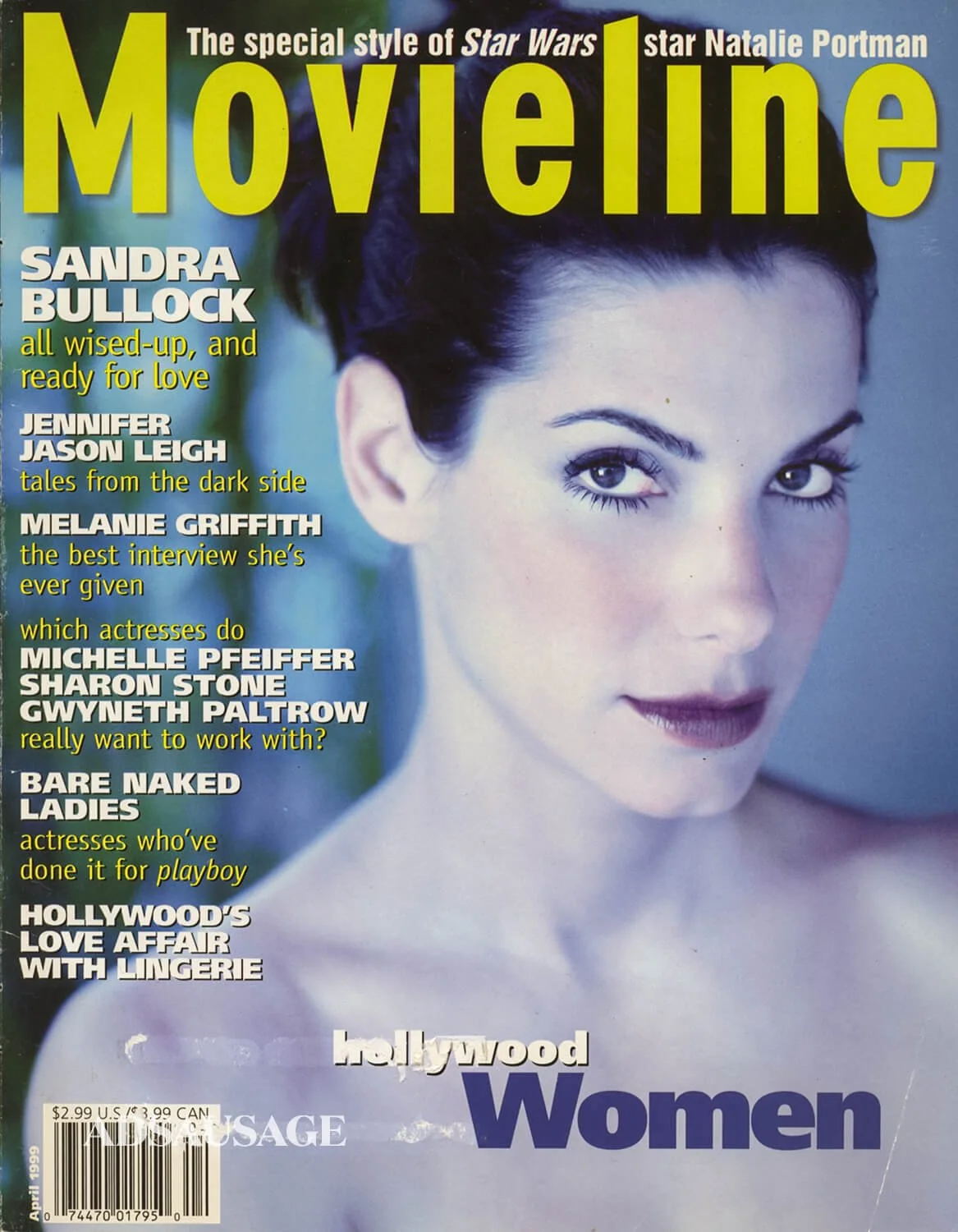
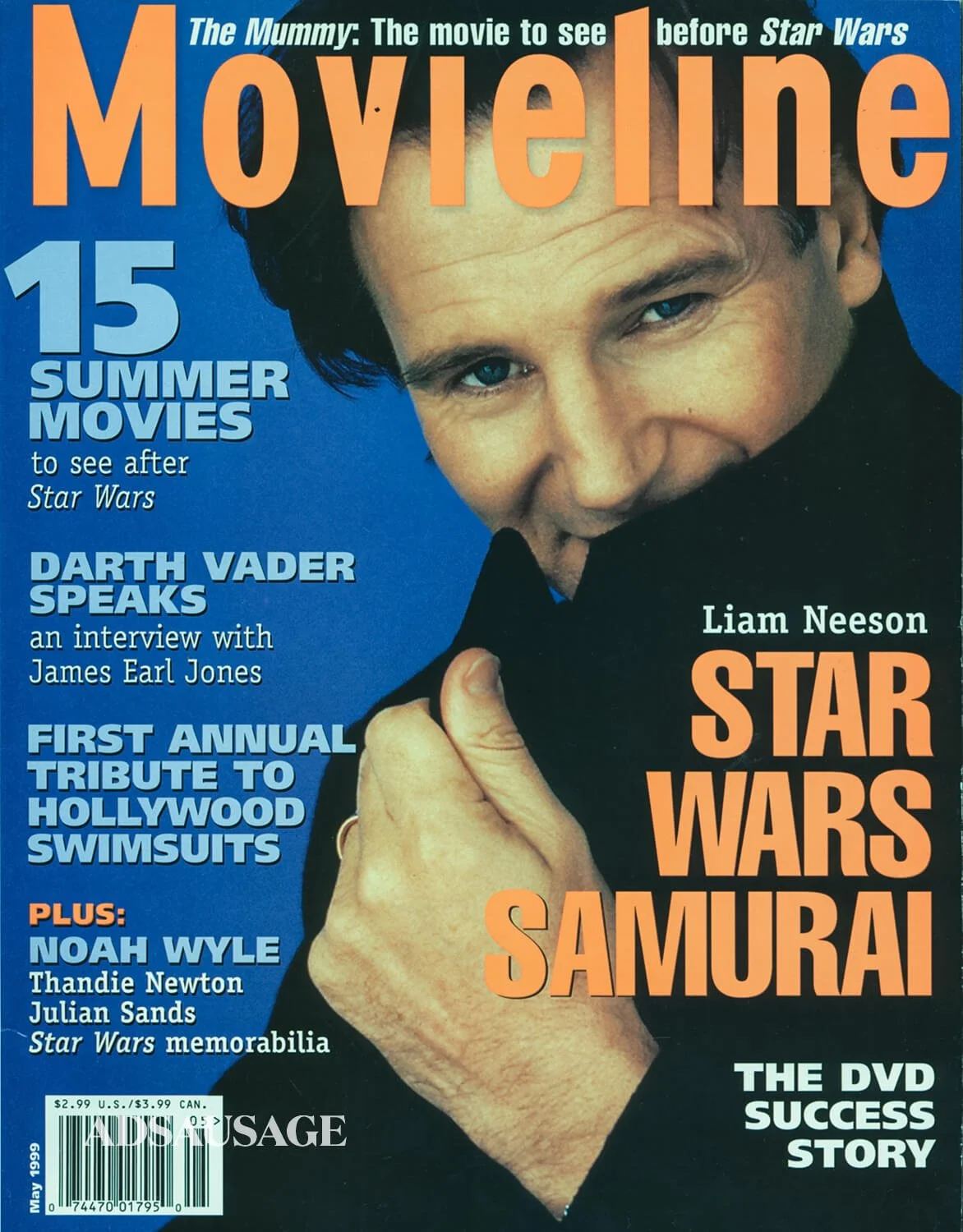
Published in 1985 by Anne Volokh, a former Soviet film reviewer and cookbook author, Movieline launched as a free, biweekly publication distributed at movie theatres and video stores.
One early staffer was Rosemarie Stack, hired as Beauty/Fashion editor.
Initially operating from an office on Melrose Avenue in West Hollywood, the publication soon decamped to Beverly Hills.
In the early 1990s, Volokh returned to the same Melrose Avenue address and opened The Nature Club — a short-lived restaurant.
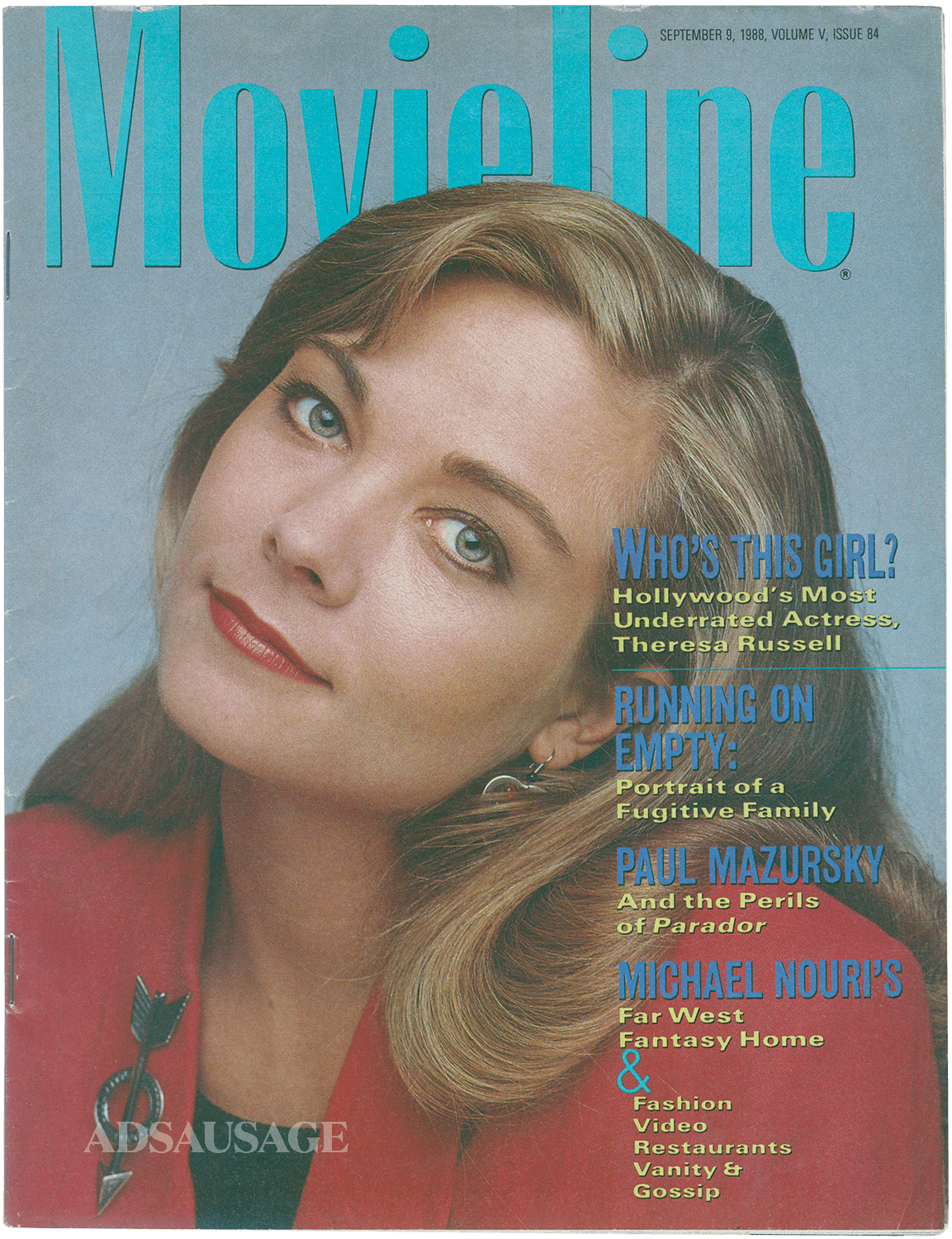
Queen of the dish rags
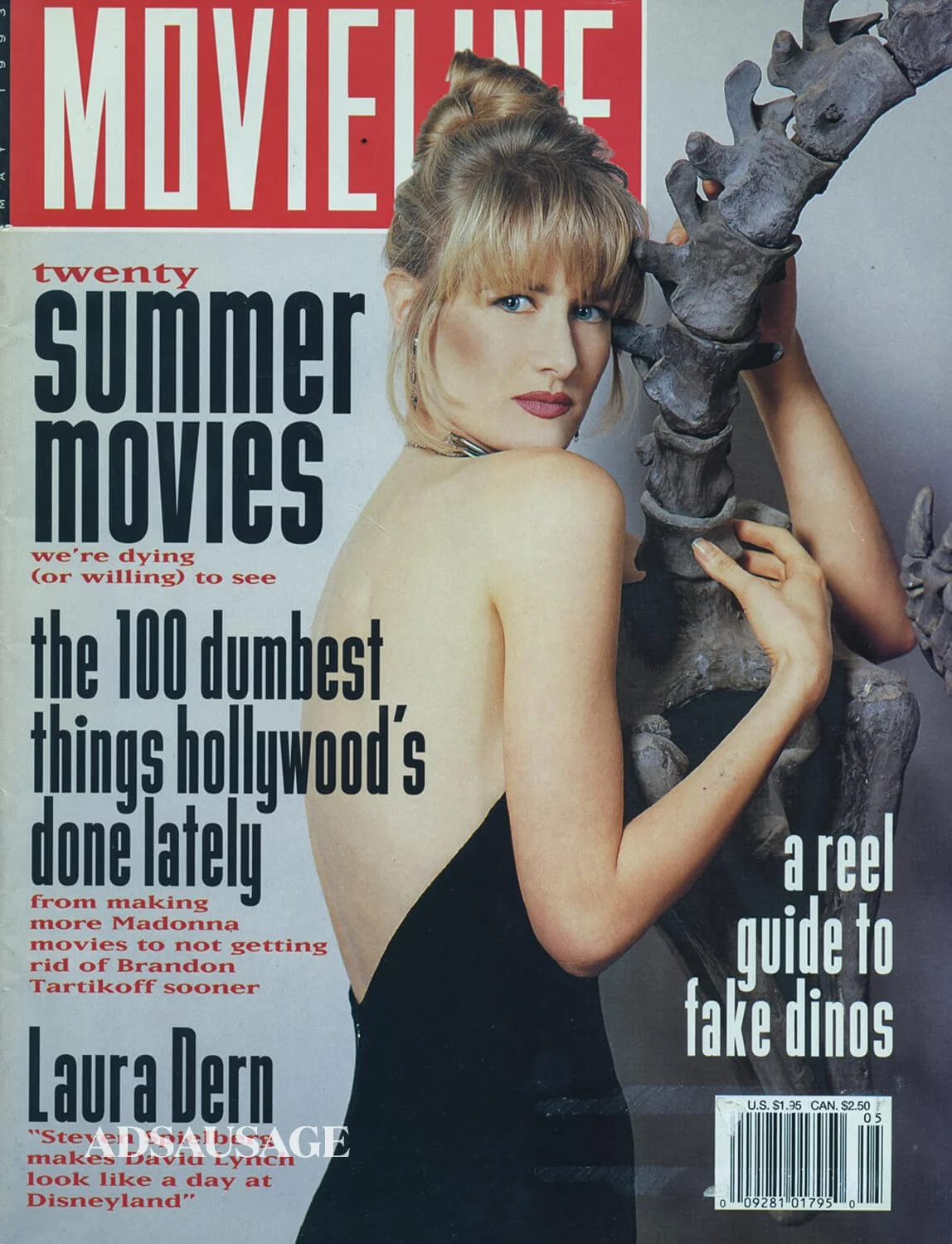
In 1989, Movieline converted to paid circulation and went national. It wasn't always well received ("Movieline doesn't have star quality") and was unfavorably compared to a fellow publication, Premiere.
Regardless of the recession, the magazine found great success in the 1990s, with a reported circulation of 265,000. Online news outlet Salon.com commented in 1997, "Movieline is the buttered popcorn of film magazines — good to the last yummy, vaguely nauseating morsel.”
The article's author, future Buzz scribe, Catherine Seipp, noted that the "magazine's bitchy, kitsch-loving sensibility" was due to co-editor-in-chief Ed Margulies.
By late 2000, Movieline and its offshoot, Teen Movieline (presumably for teens), then owned by Line Publications, were looking to sell. One possible buyer was Hachette Filipacchi Magazines, owner of rival titles Premiere, Elle, George and Road & Track. Nothing materialized.
One problem may have been Jann Wenner's Us Weekly, which enjoyed increasing ad revenue, since the conversion from monthly.
After rebranding in 2003 to Hollywood Life, Movieline was relaunched online six years later as "a snarky showbusiness blog". However, editor and former Gawker staff alum Seth Ambramovitch told the Los Angeles Times, "We don't like to call it snark. We like to call it… maybe dry wit. It will be there.”
By 2009, former tabloid veteran Bonnie Fuller became president and editor-in-chief. Mail.com Media Corporation (MMC), run by Jay Penske, owned the magazine's web arm.